How to Seal Window Drafts and Keep Your Money From Flying Out the Pane
When Double Pane Windows Fail, Your Heating Bill Pays the Price
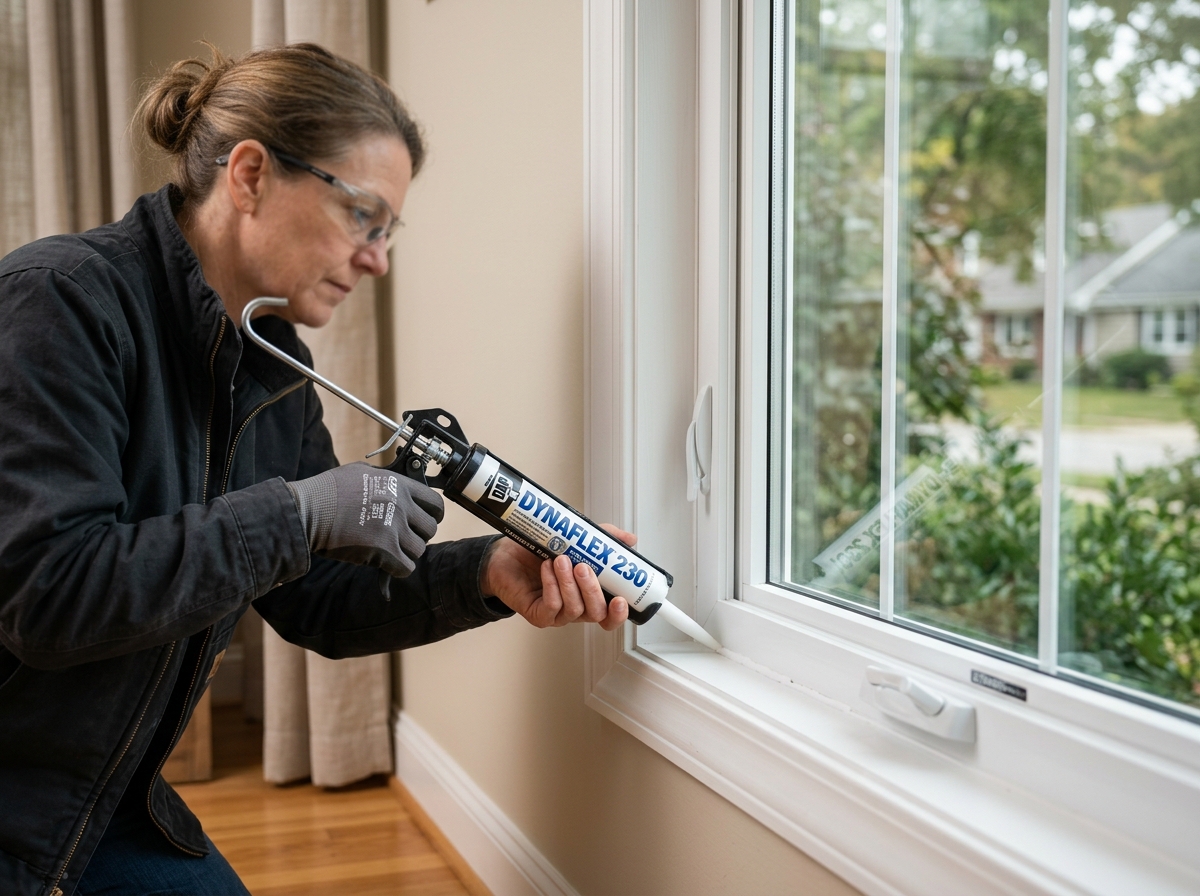
Seal double pane windows the right way, and you can stop drafts, cut energy costs, and avoid a pricey full window replacement. Here’s what you need to know at a glance:
Quick answers:
- Foggy glass between panes? Your IGU (insulated glass unit) seal has failed — wiping it won’t help.
- Best fix? Replace the IGU itself (the glass unit), not just the rubber edge.
- Cost range: $70–$245 for professional seal repair; $500+ for a full vinyl window replacement.
- Can you DIY? Yes, if you’re handy — but most homeowners benefit from a pro.
- Still under warranty? Check first — many manufacturers cover seal failure for 10–15 years.
You’re standing by the window on a cold morning. There’s a draft you can’t explain, a foggy haze between the glass panes you can’t wipe away, and your heating bill keeps climbing. Sound familiar?
That haze is a classic sign that the seal inside your double pane window has broken down. Once that happens, the insulating argon gas escapes, moisture sneaks in, and the window loses much of its ability to keep heat inside your home.
The good news? You have options — and a full window replacement isn’t always necessary.
According to industry data, only 1% of double pane windows fail within 10 years — but that number jumps to 15% by year 15. If your home has older windows, there’s a real chance some of them are already underperforming without you knowing it.
This guide walks you through everything: how to spot a failed seal, whether repair or replacement makes more sense, and exactly how to fix it — with or without a professional.
Understanding How to Seal Double Pane Windows and Why They Fail
To understand how to seal double pane windows, we first need to look at what’s happening inside that sandwich of glass. Modern windows aren’t just two sheets of glass; they are a precision-engineered component called an Insulated Glass Unit (IGU).
An IGU consists of two (or three) panes of glass separated by a spacer bar. This spacer often contains desiccant beads, which act like those little “do not eat” silica packets you find in shoeboxes—their job is to suck up any trace amounts of moisture. The edges are then double-sealed: an inner layer of polyisobutylene (PIB) sealant provides the primary airtight barrier, while an outer elastic rubber-like seal provides structural strength.
The magic happens in the gap between the panes. Manufacturers fill this space with an inert gas, usually argon or krypton, which is much denser than air and significantly slows down heat transfer. According to Window Gas Fills: What Inspectors and Consumers Should Know, these gases are the secret sauce of energy efficiency.
Why Do Seals Fail?
Even the best windows don’t last forever. The typical lifespan of a dual-pane unit is 10 to 20 years. So, why do they give up the ghost?
- Solar Pumping: This is the most common culprit. During the day, sunlight heats the gas between the panes, causing it to expand and pressure the seals. At night, it cools and contracts. This “breathing” eventually stresses the sealant until a tiny crack forms.
- Water Exposure: If your window frames don’t drain properly, the IGU can sit in standing water, which eventually eats away at the adhesive.
- Atmospheric Pressure: If a window is manufactured at sea level and shipped over a mountain range via air transport, the pressure change can actually cause the seal to pop.
- Heat Guns and Pressure Washers: Using a heat gun to strip paint or a high-powered pressure washer to clean the exterior can destroy a seal in seconds.
Knowing how to seal air leaks to save energy starts with realizing that once that internal IGU seal is breached, the argon gas leaks out at a rate of about 1% per year—or much faster if the break is significant.
Identifying the Signs of a Broken Window Seal
How do you know if you’re dealing with a simple dirty window or a structural failure? Identifying a failed seal early can save you from mold growth and rot in your window sills.

The most obvious sign is fogging or condensation that you can’t wipe away. Because the moisture is trapped between the panes, no amount of Windex will reach it. However, there are more subtle signs to watch for:
- White Calcium Streaks: When moisture gets inside and evaporates repeatedly, it leaves behind minerals. These look like hazy, whitish “river” tracks on the inside of the glass.
- Distorted Reflections: If the inert gas has leaked out completely, the panes can actually bow inward due to the pressure difference. If you look at the reflection of a straight line (like a fence or a neighbor’s roof) and it looks curvy or distorted in the center of the glass, your seal is gone.
- Glass Bowing/Bending: In extreme cases, the glass may even touch in the middle, creating a permanent smudge-like mark.
- Drafts and Temperature Spikes: If you feel a distinct chill standing next to the window, the insulating barrier is likely compromised. This is a key part of insulating your home for energy efficiency.
For more technical details on spotting these issues, check out this guide on How to Identify Failed Double-Pane Window Seals.
Repair vs. Replacement: Is Resealing Possible?
This is the $64,000 question: Can you just “reseal” the window?
The short answer is no, you cannot simply run a bead of caulk around the edge and call it a day. Once the seal is broken, the argon gas is gone, and the desiccant beads inside the spacer are likely saturated with moisture. To truly “fix” the window, you have to address the internal environment.
Here is how the options break down:
| Option | Estimated Cost | Pros | Cons |
|---|---|---|---|
| Defogging Service | $70 – $150 | Cheaper; clears up the view. | Does not replace gas; temporary fix. |
| IGU Replacement | $150 – $350 | Restores R-value; keeps original frame. | Requires precise measurement. |
| Full Window Replacement | $500 – $1,000+ | Permanent; highest ROI; new warranty. | Expensive; messy installation. |
According to How to Fix a Double Pane Window Seal: A Step-by-Step Guide, the most cost-effective long-term solution for a single failed pane is often replacing just the IGU—the glass sandwich—while leaving the frame intact. This saves you from the cost of a full tear-out while restoring the window’s energy efficiency.
While you’re weighing your options, you might also look into save-energy-with-insulated-window-treatments as a temporary way to mitigate heat loss from a failing window.
Essential Tools to Seal Double Pane Windows
If you decide to tackle an IGU replacement yourself, you’ll need a specific kit:
- Putty knife/Stiff scraper: To remove the glazing beads or trim.
- Silicone caulk and caulk gun: For the final weather seal.
- Measuring tape: Accuracy is vital—you need to measure to the nearest 1/16th of an inch.
- Safety gloves: Broken glass is no joke.
- Glass cleaner: To prep the frame.
- Suction cups (optional): Highly recommended for larger panes to prevent drops.
Professional Costs to Seal Double Pane Windows
If the thought of handling large sheets of glass makes you nervous, hiring a pro is a smart move. Professional window seal repair generally costs between $70 and $245 per window.
If you opt for a full replacement, expect to pay around $500 for a standard vinyl window or upwards of $1,000 for a premium wood frame window. That many companies have a “service call fee,” so it’s often cheaper per window to have three or four fixed at once rather than just one.
Step-by-Step Guide to IGU Replacement
Ready to roll up your sleeves? Replacing the IGU is a classic “intermediate” DIY project. It’s less about brute force and more about patience and precision.
- Remove the Window Sash: Most modern double-hung windows allow you to tilt the sash in and pop it out of the tracks. This makes it much easier to work on a flat surface like a workbench.
- Remove Glazing Beads: Use your putty knife to gently pry away the plastic or wood strips (beads) holding the glass in place. Be careful not to snap them, as you’ll need to reuse them.
- Cut the Old Sealant: Use a thin utility knife to cut through the foam tape or silicone holding the old glass unit to the frame.
- Measure the Glass: This is the most important step. Measure the height, width, and—crucially—the thickness of the glass unit. Most IGUs are 1/2″, 5/8″, or 3/4″ thick.
- Order the Custom IGU: Take these measurements to a local glass shop. They will build a new, hermetically sealed unit filled with argon gas.
- Prep the Frame: Scrape away every bit of old adhesive and dirt. The new seal won’t stick to old gunk.
- Apply New Gaskets/Tape: Apply double-sided glazing tape to the frame.
- Set the Glass: Carefully drop the new IGU into place. Use “setting blocks” (small plastic spacers) at the bottom to ensure the glass is centered and not sitting directly on the frame.
- Reinstall Trim: Snap your glazing beads back in and apply a thin bead of silicone around the exterior for extra protection.
For more on the nuances of this process, see Resealing Double Glazed Windows. This approach is one of the most effective energy-saving methods for home insulation.
How to Seal Double Pane Windows in Vinyl vs. Wood Frames
The frame material changes the “how-to” slightly:
- Vinyl Frames: These usually use “snap-in” glazing beads. They are easy to remove but can become brittle in cold weather, so work slowly.
- Wood Frames: These often use wood stops held in by small nails or even glazing putty. You’ll likely need to sand and prime the wood before installing the new glass to prevent rot.
- Aluminum Frames: These often use rubber gaskets that “wedge” the glass in. You may need a specialized tool or a bit of soapy water to get the new gasket to slide in.
Properly sealing these units is just as important as attic-insulation-tips-save-energy-and-money when it comes to total home comfort.
Final Inspection and Maintenance Tips
Once the job is done, don’t just walk away.
- Check Weep Holes: Ensure the little drainage holes at the bottom of the frame are clear. If water can’t get out, it will eventually destroy your new seal.
- Avoid Pressure Washers: Stick to a garden hose and a soft cloth. High pressure can force water past the seals.
- Inspect Annually: Check for cracked caulk or gaps in the trim every spring and fall.
Frequently Asked Questions about Window Seals
How long do double pane window seals typically last?
Most window seals are designed to last 10 to 20 years. However, windows on the sunny side of the house (south or west-facing) often fail sooner because they experience more extreme expansion and contraction from the sun.
Does defogging actually fix a broken seal?
No. Defogging is a cosmetic procedure where a pro drills tiny holes in the glass, sprays in a cleaning solution, and installs a one-way vent. It removes the fog, but it doesn’t replace the lost argon gas or fix the hole in the seal. It’s a “band-aid” fix.
Is it better to replace the whole window or just the glass?
If your frames are in good shape (no rot, they open and close easily, and they aren’t warped), replacing just the IGU is significantly more cost-effective. However, if the frames are drafty or damaged, a full replacement is a better investment for your home’s value.
Conclusion
At Financefyx, we know that home maintenance can feel like a never-ending game of whack-a-mole. But taking the time to seal double pane windows or replace a failed IGU is one of the few projects that pays you back every single month through lower utility bills.
By catching seal failure early, you prevent moisture from damaging your walls and keep your home’s thermal barrier intact. Whether you choose a DIY IGU swap or hire a pro for a full replacement, your priority should be restoring that insulating pocket of air.
For more ways to keep your home cozy, check out our catch-the-heat-insulation-tips-for-winter or dive into The Ultimate Guide to Insulating Your Home for a complete masterclass in energy efficiency. Don’t let your hard-earned money fly out the window—seal the deal today!
