
Why Your Double Glazing is Failing You
Why Your Double Glazing Is Failing You (And What to Do About It)
Draft proofing double glazed windows is one of the most effective ways to cut heating bills and stay warm in winter — and it’s often cheaper and easier than you think.
Here’s a quick summary of what works:
| Method | Best For | Approx. Cost | Durability |
|---|---|---|---|
| Silicone caulk | Fixed frame gaps | £3–£7 | 5–10 years |
| Foam weatherstripping | Moving sash edges | £3–£5 | 1–3 years |
| Brush/V-strip seals | Sliding or sash windows | £5–£10 | 3–5 years |
| Window insulation film | Quick winter fix | £10–£20 | 1 season |
| Secondary glazing kit | Maximum heat retention | £50–£150 | 5–10 years |
You might assume double glazed windows are already airtight. After all, that’s the whole point of them, right?
Not always.
Even high-quality double glazing can develop drafts over time. Seals age. Frames shift. Caulk cracks. And when that happens, cold air finds its way in — and your expensive heated air sneaks right back out.
The impact is bigger than most people realise. A single drafty window can reduce your home’s heating efficiency by up to 30%. Across a whole house, drafty windows and doors can account for nearly a third of all heat loss.
That translates directly into higher energy bills every single month.
The good news? Most draft problems in double glazed windows are fixable — often with a few pounds’ worth of materials and an afternoon of your time. Knowing where the draft is coming from is half the battle.
Why Your Double Glazed Windows Still Have Drafts
It feels like a betrayal. You invested in double glazing to keep the cold out, yet here you are, sitting on the sofa with a blanket because of a phantom breeze. Why does this happen?
The most common culprit is failed seals. The rubber gaskets that sit between the glass and the frame, or the seals that close when you shut the window, eventually become brittle. Over years of exposure to sun and frost, they shrink or crack. Once that airtight barrier is gone, the “double” in your glazing isn’t doing much to stop the wind.
Then there is the issue of argon gas leakage. High-performance Double Glazed Units: The Ultimate Solution for Winter Drafts rely on a pocket of inert gas (like argon or krypton) trapped between the panes. If the unit’s perimeter seal fails, this gas escapes, replaced by ordinary, moisture-filled air. This doesn’t just cause drafts; it kills the window’s insulating power.
Frame materials also play a role:
- uPVC expansion: uPVC is popular because it’s low maintenance, but it expands and retracts significantly with temperature changes. Over time, this “breathing” can create tiny gaps between the frame and your wall.
- Timber rot: Wooden frames are beautiful but susceptible to moisture. If not maintained, they warp or rot, leaving gaps that no amount of locking will close.
- Aluminum thermal bridging: While modern aluminum frames have “thermal breaks,” older ones can transfer cold directly through the metal, making the area around the window feel drafty even if no air is moving.
Other factors include house settling, which can pull frames out of alignment, and poor installation. We’ve seen many cases where a window looks perfect, but the installer skipped the expanding foam or used cheap caulk that pulled away from the brickwork within a year.
The Draft Detective: How to Detect and Locate Leaks
Before you start sticking tape everywhere, you need to find the exact entry points. Think of yourself as a “Draft Detective.” You don’t need high-tech gear (though it helps), just a bit of patience.
The Visual Inspection
Start with a simple walk-around. Look for light peeking through the edges of the frame. Check the exterior caulk—is it peeling or cracked? Look for “blown” units, which are easy to spot because of condensation trapped between the two panes of glass.
The Candle or Smoke Test
This is a classic for a reason. On a windy day, light a candle or an incense stick and move it slowly around the edges of the window frame and the opening sashes. If the flame flickers or the smoke dances horizontally, you’ve found a leak.
High-Tech Hunting: The Infrared Thermometer
If you want to be precise, an infrared thermometer is a game-changer. By pointing it at different parts of the window, you can see exactly where the temperature drops. A difference of 5°C or more compared to the rest of the wall usually indicates a significant air leak. For more advanced methods, check out the Energy.gov guide on detecting air leaks.
The Paper Test
Open your window, place a thin sheet of paper across the frame, and close the window. Now, try to pull the paper out. If it slides out easily, the compression seal isn’t tight enough. If it tears or stays stuck, the seal is doing its job.
Effective DIY Methods for Draft Proofing Double Glazed Windows
Once you’ve identified the leaks, it’s time for some DIY surgery. Draft proofing double glazed windows doesn’t require a degree in engineering—just the right materials and a steady hand.
Sealing the Gaps
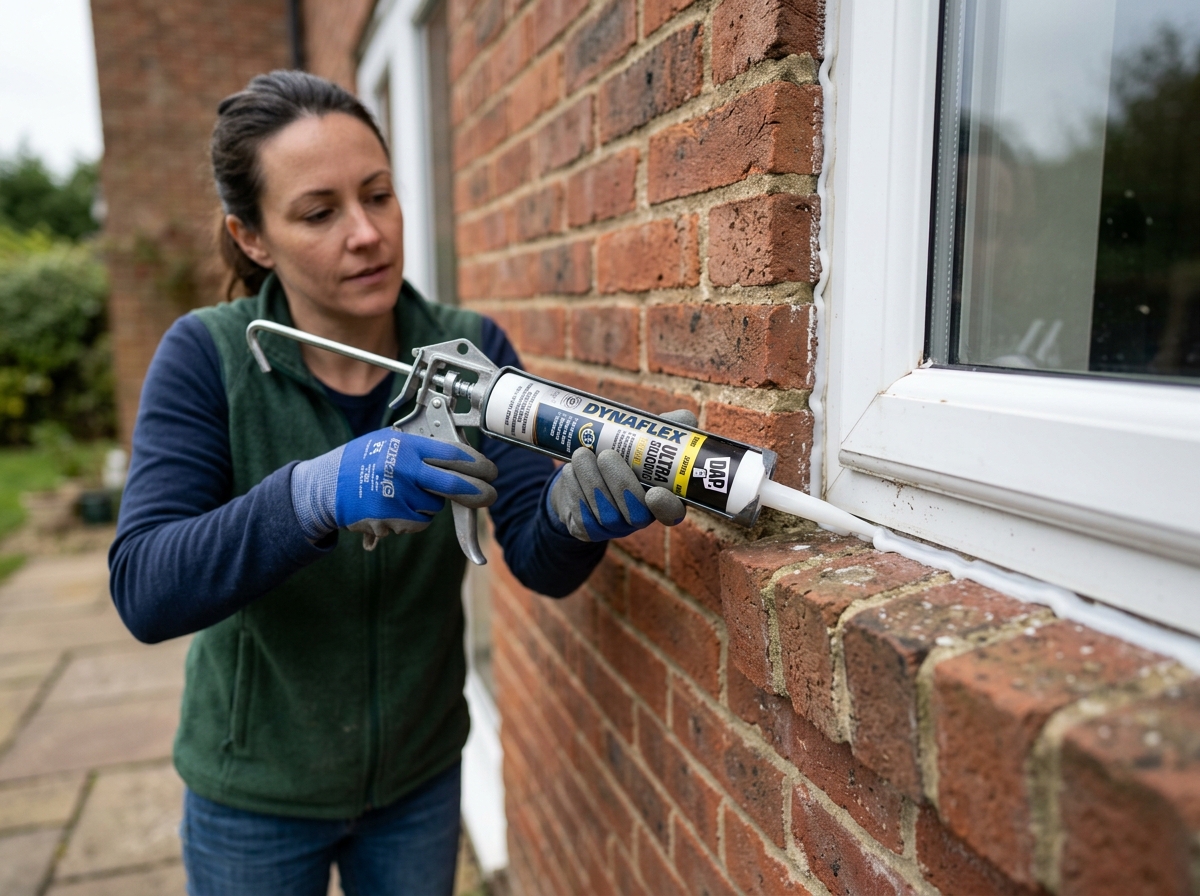
If the draft is coming from the gap between the window frame and the wall, you need sealant.
- Silicone Caulk: Best for exterior use. It’s waterproof and flexible, meaning it can handle the expansion of the frames.
- Latex Sealant: Great for interior gaps. It’s easier to apply and can be painted over to match your decor. You can find more details on our guide on how-to-seal-air-leaks-to-save-energy.
Temporary and Budget Fixes
If you’re in a rental or need a fix tonight, try these:
- Window Insulation Film: This is a clear plastic film that you shrink-wrap over the entire window frame using a hairdryer. It creates an extra layer of still air.
- Bubble Wrap Hack: Spray a little water on the glass and press bubble wrap (bubbles facing the glass) against it. It’s not pretty, but it’s a surprisingly effective thermal barrier for a spare room.
- Thermal Curtains: Don’t underestimate the power of heavy fabric. A well-fitted thermal curtain can act as a final “wall” against drafts.
Applying Weatherstripping for Draft Proofing Double Glazed Windows
Weatherstripping is for the moving parts of your window—the bits that open and close. You can’t use caulk here, or you’ll seal your windows shut!
Surface Preparation is Key. Before applying any adhesive strip, clean the frame with soapy water and then surgical spirit. If the surface is greasy or dusty, the strip will peel off within a week.
- Foam Tape: The cheapest option. It’s a self-adhesive foam strip that compresses when the window closes. It’s easy to install but wears out quickly.
- V-Strips (Tension Seals): These are plastic or metal strips folded into a ‘V’ shape. They spring open to bridge the gap. They are much more durable than foam.
- Tubular Gaskets: These are hollow rubber tubes. They offer the best “squish” and are excellent for uneven gaps.
- Brush Seals: Specifically designed for sliding windows or the bottom of sash windows. They stop the breeze without creating too much friction.
For more techniques, explore our energy-saving-methods-for-home-insulation.
Secondary Glazing as a Solution for Draft Proofing Double Glazed Windows
If your double glazing is old and thin, or if you live in a particularly noisy area, secondary glazing is the “nuclear option” for drafts. It involves adding a second, independent pane of glass or acrylic on the inside of your existing window.
This is a fantastic insulating-your-home-for-energy-efficiency strategy. You can buy DIY kits that use magnetic strips to hold a lightweight acrylic sheet in place. It creates a massive air gap that virtually eliminates drafts and significantly reduces street noise. It’s also a preferred solution for heritage homes where you aren’t allowed to replace the original windows.
The Benefits of Sealing Your Windows
Why spend a Saturday morning poking at window frames? Because the rewards go far beyond just “not feeling cold.”
1. Massive Energy Savings The Energy Saving Trust notes that a typical semi-detached home can save around £85–£90 a year just by sealing drafts. When you combine this with other measures, like attic-insulation-tips-save-energy-and-money, the ROI is incredibly fast.
2. Noise Reduction Air carries sound. If air is getting through your windows, so is the sound of the neighbour’s dog and the local traffic. By draft proofing double glazed windows, you’re also soundproofing them.
3. HVAC Longevity When your home is “leaky,” your boiler or heat pump has to work overtime to maintain the temperature. This leads to more wear and tear and a shorter lifespan for your expensive heating system.
4. Better Air Quality Drafts don’t just bring in cold air; they bring in dust, pollen, and pollution. Sealing those gaps keeps your indoor air cleaner and reduces the “stuffiness” that leads to allergies.
Learn more about keeping your home cozy in our guide on catch-the-heat-insulation-tips-for-winter and save-energy-with-insulated-window-treatments.
When to Call a Professional vs. DIY Fixes
We love a good DIY project, but sometimes you need to know when to put the caulk gun down and call in the experts.
Call a professional if:
- The unit is “blown”: If you see condensation inside the two panes of glass, the seal is gone. You can’t DIY fix this; the glass unit needs to be replaced.
- Structural damage: If the frame is rotting or the wall around the window is cracking, a bit of sealant is just a band-aid on a broken leg.
- Hardware failure: If the window doesn’t lock properly or the hinges are sagging, the window won’t compress the seals. A professional can often replace the hinges or “toe and heel” the glass to realign the frame.
- Warranty concerns: If your windows are less than 10 years old, they might still be under warranty. DIY modifications could void this. Always check your paperwork first!
For a deeper dive into whole-home comfort, check out the-ultimate-guide-to-insulating-your-home.
Frequently Asked Questions about Window Drafts
How does draft proofing affect condensation issues?
This is the most important “catch” to understand. Drafts are essentially accidental ventilation. When you seal them up, you trap moisture inside. If you don’t have enough ventilation, that moisture will hit the cold glass and turn into condensation, which leads to mold.
The secret is controlled ventilation. Don’t block your trickle vents (the small slots at the top of the frame). They are designed to let a tiny amount of air circulate to prevent dampness without causing a draft.
Can draft proofing void my window warranty?
It depends on what you do. Sticking foam tape to a frame is usually fine. However, drilling into the frame to install secondary glazing or using aggressive chemical cleaners might void your manufacturer’s agreement. If your windows are still under warranty, contact the original installer before making permanent changes.
How much money can I save on energy bills?
By effectively draft proofing double glazed windows, most homeowners can expect to see a 20-30% reduction in heat loss through windows. In the UK, this typically equates to a saving of £50 to £100 per year, depending on your fuel type and how many windows you treat. Considering most DIY materials cost under £20, the project pays for itself in just a few months.
Conclusion
At Financefyx, we believe that an energy-efficient home is a happy home. Draft proofing double glazed windows is a low-cost, high-impact way to take control of your comfort and your wallet.
Don’t wait for the first frost to start your “Draft Detective” work. Set a maintenance schedule—check your seals every autumn and spring. A quick wipe down of the frames and a drop of oil on the hinges can prevent the gaps from forming in the first place.
Ready to make your home a fortress against the cold? Start with your windows today, and then move on to the rest of your house with The Ultimate Guide to Insulating Your Home. Stay warm!
