
Patio Door Drafts: Why Your Living Room Feels Like the Arctic
Why Your Patio Door Is Costing You Money This Winter
A draft excluder patio door solution can stop cold air from sneaking into your home and cut your heating bills by up to 30%.
Here are the most effective ways to fix a drafty patio door — fast:
- Place a weighted fabric draft stopper along the bottom of the door
- Apply self-adhesive weatherstripping to the door frame edges
- Fit a door sweep to the base of the door panel
- Press silicone seal strips into gaps between the sliding panel and fixed frame
- Use brush seals where panels meet in the middle
You know that feeling when your living room should be warm and cosy, but one corner near the patio door is just… freezing? One homeowner described exactly this — their family started calling the area near the patio door the “ice-cold air zone.” It’s a common problem, and it’s not just uncomfortable.
Patio doors — especially sliding glass ones — are one of the biggest sources of heat loss in a home. Their large surface area, worn tracks, and the simple fact that they’re used constantly means gaps form easily. Cold air pours in. Warm air leaks out. Your boiler works harder. Your energy bill climbs.
The good news? This is a fixable problem, and most solutions cost very little.
Choosing the Right Draft Excluder for Your Patio Door
When we look for a draft excluder patio door solution, we aren’t just looking for a “one size fits all” fix. Because patio doors come in different styles—sliding glass, French doors, or bi-folds—the type of excluder we choose matters. With over 7,128 items available for “patio door draft blockers” on major retail sites, the choices can be overwhelming. Let’s break down the most effective types we can use.
Weighted Fabric Stoppers (The “Door Snake”)
These are essentially long, heavy fabric tubes filled with materials like sand, ground stone, or even bamboo charcoal.
- Best for: The bottom of sliding or French doors.
- Pros: No installation required; just drop it in place. Many are “dog-tested” and durable enough to survive a curious pet’s chew session. Some even include bamboo charcoal to help with odor control.
- Cons: You have to move them every time you open the door.
Silicone Seal Strips and Foam Tape
These are self-adhesive strips that we stick directly to the door frame or the edge of the door.
- Best for: Sealing the sides and tops of doors where the panel meets the frame.
- Pros: Very discreet and highly effective at blocking both air and noise.
- Cons: The adhesive can wear out over time, especially in high-traffic areas.
Brush Weather Stripping (Felt Pile)
If you have a sliding door, you likely already have these, but they wear down. They look like a tiny, dense mohawk of bristles.
- Best for: The tracks of sliding doors and the “interlock” where two panels meet.
- Pros: Allows the door to slide smoothly while maintaining a seal.
- Cons: Can collect dust and dirt, which eventually reduces their effectiveness.
Door Sweeps
These are usually made of rubber or vinyl and are attached to the very bottom of the door.
- Best for: French patio doors.
- Pros: Permanent fix that moves with the door.
- Cons: Requires a bit of DIY skill to install (screws or strong adhesive).
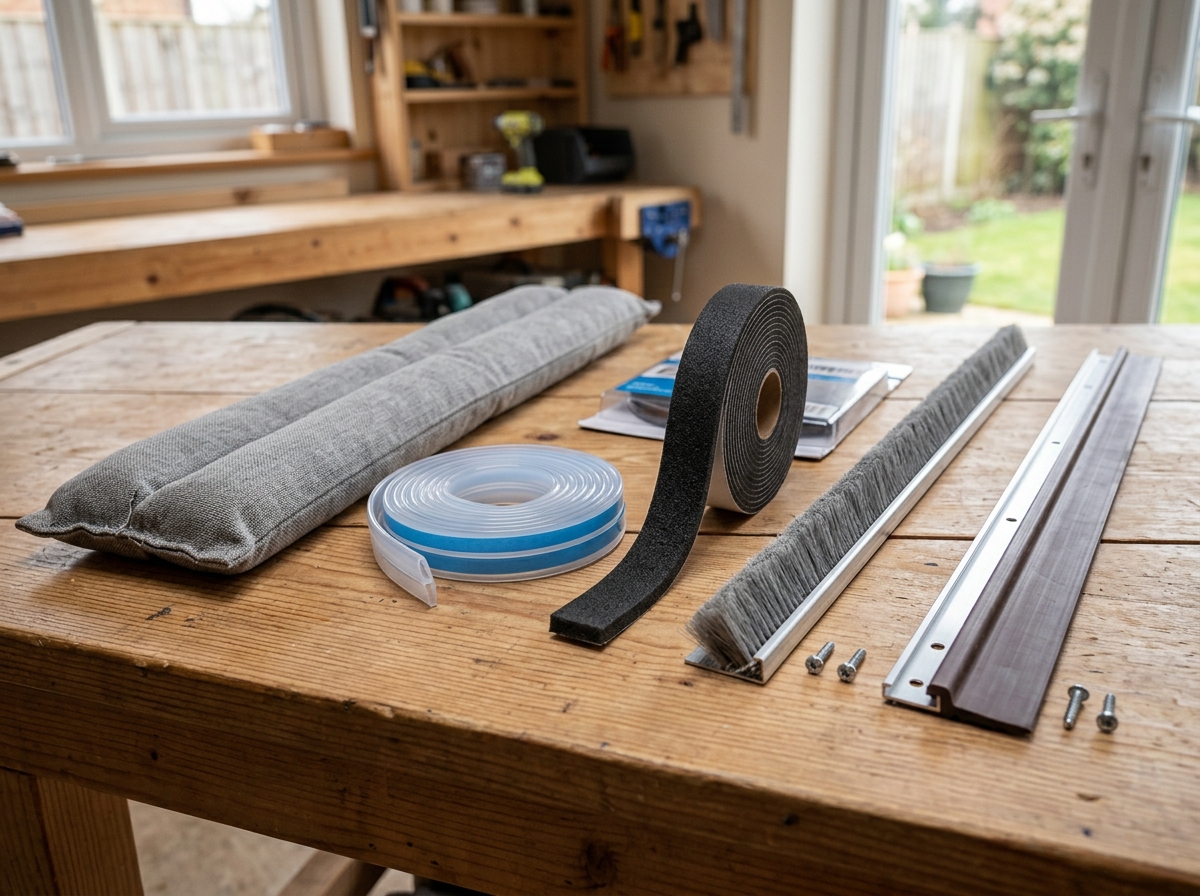
Comparison Table: Which One Should We Choose?
| Type | Best For | Ease of Install | Durability |
|---|---|---|---|
| Fabric Stopper | Bottom Gaps | Very Easy | High (if weighted) |
| Silicone Strip | Side/Top Gaps | Easy | Medium |
| Brush Seal | Sliding Tracks | Moderate | High |
| Door Sweep | French Doors | Moderate | Very High |
Choosing the right material is the first step in energy-saving methods for home insulation. By selecting the correct draft excluder patio door accessory, we are insulating our home for energy efficiency and making sure our hard-earned money isn’t literally flying out the window.
Measuring and Preparing Your Door for Insulation
Before we run out and buy the first draft excluder patio door we see, we need to get our measurements right. A draft excluder that is too short is like wearing a scarf that doesn’t go all the way around your neck—it’s not doing much!
1. Measure the Gap Size
We need to know how big the “enemy” is. Is the gap 5mm or 20mm?
- For small gaps (1-5mm), adhesive foam or silicone strips work best.
- For larger gaps (over 10mm), we might need a heavy-duty door sweep or a thick weighted fabric stopper.
2. Measure the Door Width and Height
Standard patio doors often require longer excluders than standard front doors. While a typical front door is 36 inches wide, patio doors can span 60 to 96 inches or more. If we are buying a fabric stopper, we want it to be slightly longer than the door itself to ensure the corners are tucked in.
3. Surface Preparation (The Secret to Success)
If we are using adhesive products like Weather stripping for gap seals, the surface must be clinical-level clean.
- Clean: Use a damp cloth to remove dust and grime from the door frame.
- Degrease: This is the most important step. Use rubbing alcohol on a lint-free cloth to wipe down the area where the adhesive will go. This removes oils that prevent the glue from sticking.
- Dry: Ensure the area is bone-dry before applying anything.
Taking these steps is vital when learning how to seal air leaks to save energy. If the surface isn’t prepped, that expensive seal will peel off in a week, and we’ll be right back where we started.
Step-by-Step Installation and Troubleshooting
Now that we’ve measured and cleaned, it’s time for the fun part: installation. Whether we are working with a sliding door or a hinged French door, the process follows a similar logic.
The Step-by-Step Guide
- Dry Fit First: Before peeling off any adhesive backing, hold the draft excluder patio door seal against the door to check the length.
- Trim to Fit: Most silicone and foam seals can be cut with standard kitchen scissors. Weighted fabric stoppers usually come in set sizes (like 36, 72, or 84 inches), so ensure we’ve bought the right length.
- The “Hair Dryer” Technique: If we are installing adhesive strips in cold weather, the glue can be a bit stubborn. Use a hair dryer to gently warm the adhesive backing and the door frame. This makes the bond much stronger.
- Apply with Pressure: Start at one end and peel the backing off slowly as we go. Press down firmly. We want to apply even pressure across the entire length.
- The 24-Hour Rule: Avoid opening and closing the door excessively for the first 24 hours. This allows the adhesive to “cure” and create a permanent bond.
If we are dealing with uPVC frames, we can also stop the chill with these easy ways to fix drafty uPVC windows, as the materials and methods are nearly identical.
Preparing the Surface for a Draft Excluder Patio Door Seal
We cannot stress enough that alignment is key. If the seal is too tight, the door won’t close or lock properly. If it’s too loose, the draft remains. When applying a “peel-and-stick” seal, we should aim for a “light compression.” The door should touch the seal and squish it slightly, but not so much that we have to slam the door to lock it.
Troubleshooting Gaps in the Middle of a Draft Excluder Patio Door
A common complaint with sliding patio doors is a draft coming from the “interlock”—the spot where the two panels meet in the middle when closed.
- Check the Alignment: If you can see the outside brush strip from the inside, the door might be misaligned. Sometimes the frame is “bowed” or the door wasn’t installed perfectly plumb.
- The Overlap Rule: The brushes or “fur pile” should overlap the other door panel to create a seal. If there’s a gap, we can add a thin strip of adhesive brush seal to the leading edge of the sliding panel.
- Pile Pads: Look at the very top and bottom of the center rail. Many high-quality doors use small square “pile pads” to seal these corners. If yours are missing or worn, you can buy replacements.
- Seek Professional Advice: If the door frame itself is bowed or the glass unit is the wrong size, it might not be a DIY fix. In these cases, it’s worth getting professional advice on strip seals or consulting an installer to see if the door needs to be re-squared.
Specialized Solutions for Pet Doors and Odd Sizes
Many of us love our pets, but those patio pet door inserts are notorious for creating massive drafts. Because the sliding door no longer meets the frame, a gap of 1 to 2 inches can open up along the entire height of the door.
The Pet Door Gap Fix
Standard weather stripping is often too narrow to close a 2-inch gap. We recommend using a heavy-duty rubber draft sealer specifically designed for pet panels. These are usually 3 inches wide and attach to the back of the sliding door, overlapping the gap to create a flexible, airtight seal that stays in place even when the door moves.
The DIY Pipe Insulation Hack
If we are on a budget or have an oddly shaped track, there is a brilliant trick from the woodworking community.
- Buy cheap 25mm foam pipe insulation (the grey tubes used for plumbing).
- Cut the tube into quarters lengthwise.
- These “quarter-rounds” of foam fit perfectly into many sliding door tracks.
- It costs pennies per meter and is incredibly effective at stopping floor-level drafts.
Materials for Outdoor Use
If we are installing a draft excluder patio door solution on the exterior side, we must use waterproof materials. Standard fabric “snakes” will soak up rain and become a moldy mess. Look for:
- Silicone rubber: Naturally waterproof and UV resistant.
- Vinyl sweeps: Great for shedding water away from the threshold.
- Waterproof fabric: Some high-end weighted stoppers use marine-grade fabric that can handle the elements.
Frequently Asked Questions about Patio Door Insulation
How effective are draft excluders at reducing energy bills?
Very! Research suggests that properly draft-proofing your home can save up to 30% on heating bills. Beyond the money, a draft excluder patio door setup significantly reduces outside noise and prevents insects (like spiders and ants) from crawling through the gaps in the tracks.
What materials are best for outdoor patio doors?
For the outside, always go with silicone rubber or weatherproof vinyl. These materials don’t crack in the sun or rot when they get wet. If you prefer a fabric stopper, ensure it is specifically labeled as “waterproof” or “outdoor-rated.”
How often should I replace my patio door weather stripping?
Most professional-grade weather stripping lasts about 1 to 2 years. You’ll know it’s time for a change if the adhesive starts peeling, the foam looks permanently “squashed” (losing its bounce), or if you can see light through the gaps when the door is closed.
Can I use a regular draft stopper for a sliding door?
Yes, but with a caveat. Because sliding doors have a track, a standard “door snake” might get in the way of the sliding mechanism. It’s often better to use a weighted stopper that sits just in front of the track, or a permanent adhesive seal that stays out of the way of the rollers.
Conclusion
At Financefyx, we believe that a comfortable home shouldn’t cost the earth. Taking the time to install a draft excluder patio door solution is one of the simplest and most rewarding DIY tasks you can tackle this weekend.
By combining a few different methods—perhaps a silicone seal for the frame, a brush seal for the tracks, and a weighted fabric stopper for those extra-cold nights—we can turn the “ice-cold air zone” back into a cozy part of our living room.
Don’t forget to perform seasonal checks. Every autumn, give your seals a quick “tug test” to make sure the adhesive is still holding strong. For more ways to keep your home efficient and your bills low, be sure to save energy with our top tips. Stay warm!
