
The Great Escape from Window Drafts
Why Draught Proofing Strips for Windows Are Worth Your Attention This Winter
Draught proofing strips windows is one of the simplest, most affordable ways to cut your heating bills and stay warm when temperatures drop.
Here’s a quick answer to what you need to know:
- What they do: Draught proofing strips seal the gaps around window frames where cold air sneaks in and warm air escapes.
- How to apply them: Clean the frame, measure and cut the strip, peel the backing, and press firmly into place.
- Best materials: Silicone and EPDM rubber last longest; foam is cheapest; brush pile suits sliding sashes.
- Energy savings: Properly sealing window gaps can save up to 10% on home energy costs.
- Where to buy: Hardware stores, home improvement retailers, and online marketplaces all stock a wide range.
Feel a chill near your windows on a cold day? Run your hand slowly around the frame. If you feel cool air moving across your skin, you’ve found a draught.
Those gaps are costing you money every single day of winter.
Even small cracks around windows can drive up your heating bills significantly — warm air you’ve already paid to heat is simply escaping through the frame. It’s one of the most common sources of heat loss in older homes, and one of the easiest to fix.
The good news: you don’t need a contractor, specialist tools, or a big budget. A roll of the right draught proofing strip, a pair of scissors, and an hour of your time can make a noticeable difference to both your comfort and your energy costs.

Understanding Different Types of Draught Proofing Strips Windows
When we go shopping for draught proofing strips windows, the sheer variety of materials can be a bit overwhelming. It’s not just “tape”; different materials offer different levels of compression, durability, and weather resistance. Choosing the right one is the difference between a seal that lasts ten years and one that peels off after the first frost.
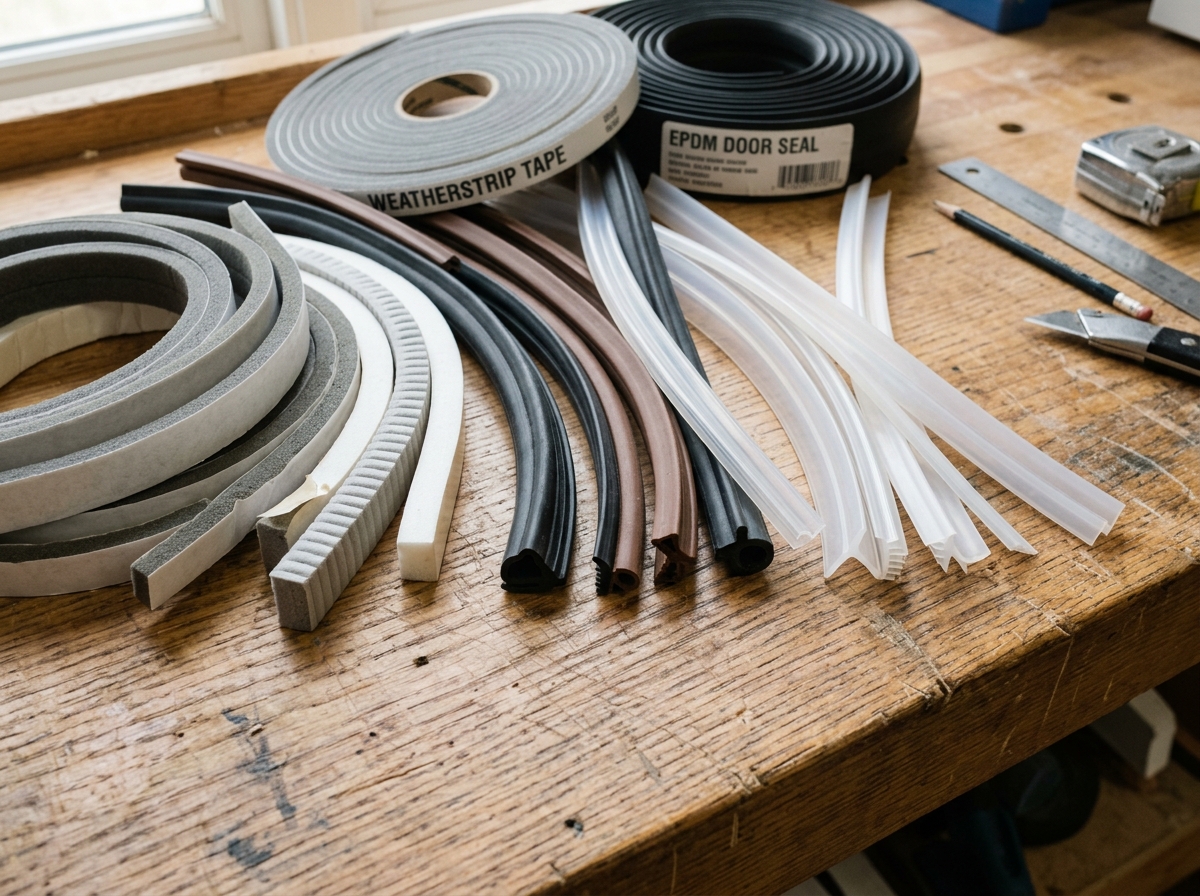
Foam Tape
This is often the “entry-level” choice. Usually made from PVC closed-cell foam, it’s incredibly easy to use—just snip and stick. It’s excellent for irregular gaps because the foam compresses easily. However, foam can lose its “bounce” over time and may need replacing every few years. It’s a fantastic, budget-friendly way to save energy with insulated window treatments and basic sealing.
EPDM Rubber
If you want something heavy-duty, EPDM rubber is our go-to. It is highly flexible and compressible, meaning it creates a tight seal even when the window is closed firmly. Unlike basic foam, EPDM rubber is weather-resistant and won’t crack or freeze in extreme temperatures. You’ll often see these in “P-profiles” or “D-profiles,” designed to fill specific gap sizes.
Silicone Seals
Silicone is the gold standard for longevity. Products like the Duck Brand Max Strength Silicone Weatherstrip often come with a lifetime guarantee. Silicone remains flexible even in sub-freezing temperatures and provides maximum resistance to wear and tear. It’s slightly more expensive upfront, but considering it can help save up to 10% on home energy costs, the ROI is excellent.
V-Seal Strips
V-seals (or tension seals) are unique. They are plastic or metal strips folded into a ‘V’ shape. When the window closes, the ‘V’ compresses, creating a bridge that blocks air. These are particularly good for the channels of sliding windows. For more details on this specific design, check out this V-Seal Weatherstrip Guide.
Felt Weatherstrip
The “original” weatherstrip. Felt is economical and great for stopping dust and light drafts. It is usually nailed or stapled into place rather than stuck. While it’s not as airtight as rubber or silicone, it’s a classic choice for older wooden frames where you want a traditional look.
Brush Pile
If you have sash windows that need to slide past each other, a solid rubber seal might create too much friction. Brush pile strips (which look like tiny mohawk haircuts for your windows) allow for movement while still blocking the wind.
| Material | Durability | Best Gap Size | Pros | Cons |
|---|---|---|---|---|
| Foam | 1-3 Years | Small to Medium | Very Cheap, Easy to Install | Compresses permanently over time |
| EPDM Rubber | 5-10 Years | Medium to Large | Very durable, weather-resistant | More expensive than foam |
| Silicone | 10+ Years | Small to Medium | Lifetime durability, stays flexible | Highest cost |
| V-Seal | 5+ Years | Small | Great for sliding parts | Can be tricky to align |
| Felt | 2-5 Years | Small | Traditional, low cost | Not waterproof, can wear down |
Choosing the Right Seal for Your Window Type
Not all windows are created equal, and neither are the gaps they develop. We need to match the strip to the mechanism of the window to ensure it still opens and closes smoothly.
Sash Windows
Sash windows are notorious for drafts because of the sliding “meeting rail” where the two panes overlap. For these, we recommend brush pile or V-seals. These allow the panes to slide past the seal without peeling it off. If you’re dealing with the outer frame, a thin EPDM rubber strip can work wonders.
Casement Windows
These are the windows that swing outward on hinges. Since the window presses against the frame when closed, compression seals like EPDM rubber (P-profile) or silicone are perfect. The pressure of the latch helps “squish” the rubber, creating a near-airtight bond. This is a key step in insulating your home for energy efficiency.
uPVC Frames
Most modern uPVC windows come with built-in rubber gaskets. However, over time, these can perish or shrink. You can often find replacement “bubble” seals that slot into the existing groove, or you can use a thin, self-adhesive silicone strip on the frame where the sash meets it.
Measuring the Gap
Before buying draught proofing strips windows, you must measure your gaps.
- Small gaps (up to 1/8″): Use thin foam or V-seals.
- Medium gaps (up to 1/4″): Use P-profile rubber or silicone.
- Extra-large gaps (up to 3/8″): Look for specialized “Large Gap” foam or heavy-duty D-profile rubber.
If you aren’t sure where the leaks are, try a comprehensive home energy audit checklist to find the culprits. For a deep dive into the “why” behind these fixes, see our guide on how to seal air leaks to save energy.
Step-by-Step Installation Guide
Ready to get to work? We’ve broken this down into a simple process. You don’t need a degree in engineering—just a bit of patience and some basic supplies.
Tools and Materials Needed:
- Your chosen draught proofing strips windows
- Measuring tape
- Sharp scissors or a utility knife
- Cleaning cloth
- Soapy water or white spirits (for stubborn grime)
- A pencil
For specific product tips, you can also reference the Flex Seal Draft Tape Guide.
Preparing Your Frames for Draught Proofing Strips Windows
The number one reason draught strips fail is poor surface preparation. If you stick a high-quality silicone strip onto a layer of dust and old spider webs, it’s going to fall off by Tuesday.
- Clean the Surface: Use warm, soapy water to wipe down the entire frame where the strip will be applied.
- Remove Oils: If the frame is particularly greasy or has old adhesive residue, use a bit of white spirits on a cloth. This ensures the new adhesive can “bite” into the surface.
- Dry Thoroughly: This is crucial. Adhesive hates moisture. Use a dry, lint-free cloth to make sure the frame is bone-dry.
- Check the Temperature: Most self-adhesive strips require a temperature above 40°F (4.4°C) to bond properly. If it’s a freezing day, you might want to gently warm the window frame with a hairdryer before applying the tape.
Application Process for Draught Proofing Strips Windows
Now for the satisfying part. Follow these steps for a professional finish:
- Dry Fitting: Before peeling the backing, hold the strip against the window to confirm it fits in the gap without preventing the window from locking.
- Measure and Cut: Measure the length of the window side. Cut the strip slightly longer than you think you need—you can always trim the excess, but you can’t “un-cut” a strip that’s too short!
- Peel and Stick: Peel back about 6 inches of the adhesive backing. Start at a corner and press the strip firmly onto the frame.
- Work in Sections: Continue peeling and pressing as you move down the frame. Do not stretch the tape. If you stretch it, it will eventually shrink back to its original size, leaving gaps at the corners.
- The 30-Second Rule: Once the strip is in place, go back over it with your thumb, pressing firmly for 15–30 seconds. This activates the pressure-sensitive adhesive.
- Test the Seal: Close and lock the window. It should feel slightly “snugger” to close, but you shouldn’t have to force it. If the window won’t lock, the strip might be too thick.
For more DIY tips on keeping the heat in, check out our energy saving methods for home insulation.
Common Mistakes and Maintenance Tips
Even the best of us make mistakes. Here’s how to avoid the “oops” moments we see most often.
The “Stretching” Trap
As mentioned, stretching the tape during application is a recipe for failure. It might look neat when you first do it, but within a month, you’ll see the ends pulling away from the corners. Always lay the tape down “relaxed.”
Blocking Essential Ventilation
This is the most important rule of draught proofing: Don’t block what needs to breathe.
- Trickle Vents: These are the small slats at the top of modern windows. They are designed to prevent condensation and mold. Do not seal them!
- Air Bricks and Extractor Fans: These are vital for safety, especially if you have gas appliances or open fires.
- Controlled Ventilation: We want to stop uncontrolled drafts (the ones that make you cold), not the controlled ventilation that keeps your air fresh.
Poor Corner Joins
Don’t just wrap one continuous piece of tape around a 90-degree corner. It will bunch up and create a leak. Instead, cut the strips so they meet at the corner. For a pro-level seal, you can “miter” the corners (cut them at 45-degree angles) so they fit together like a picture frame.
Maintenance
Draught proofing strips windows aren’t “set it and forget it” forever.
- Clean them: Occasionally wipe the strips with a damp cloth to remove dust.
- Check the bond: Once a year (usually in autumn), give the strips a gentle tug to make sure the adhesive is still holding.
- Replace when needed: If foam looks flat or rubber feels brittle, it’s time for a refresh.
For a broader look at home maintenance, see the ultimate guide to insulating your home.
Frequently Asked Questions about Window Sealing
Can draught proofing strips be used on doors or loft hatches?
Absolutely! The same materials we use for windows work wonders on doors. EPDM rubber is excellent for door frames, while “brush” style excluders are best for the bottom of the door. Loft hatches are a major source of heat loss; applying a thick foam or rubber seal around the hatch rim can stop warm air from escaping into your attic. You might also find our attic insulation tips helpful for total home coverage.
How much can I save on energy costs with window strips?
While every home is different, statistics show that properly sealing gaps and cracks can save up to 10% on your annual energy costs. When combined with other methods, like those found in make your home energy efficient with these tips, the savings can be even higher. It’s one of the few home improvements that usually pays for itself within a single winter.
How do I remove and replace old draught strips?
Removing old, crusty foam can be a pain. Start by peeling what you can by hand. For the stubborn adhesive left behind, use a plastic scraper (to avoid scratching the frame) and a dedicated adhesive remover or white spirits. Once the frame is clean and smooth, follow the preparation steps above to apply your new, high-quality draught proofing strips windows.
Conclusion
At Financefyx, we believe that saving money shouldn’t always require a massive lifestyle change. Sometimes, it’s as simple as stopping the “Great Escape” of heat through your window frames.
By investing a small amount of time and money into draught proofing strips windows, you’re doing more than just lowering a bill; you’re making your home a warmer, quieter, and more comfortable place to live. Whether you choose the long-lasting durability of silicone or the quick-fix ease of foam, the result is the same: a more efficient home and a happier wallet.
Ready to take the next step in winter-proofing your sanctuary? Dive into our catch the heat insulation tips for winter or explore The Ultimate Guide to Insulating Your Home for more expert advice. Don’t let your hard-earned money blow out the window—seal those gaps today!
