
Top Rated Multi Layer Panel Insulation Systems for 2026
Why Multi Layer Panel Insulation Is the Smartest Upgrade for Cold, Drafty Homes
Multi layer panel insulation is one of the most effective ways to cut heating bills, stop cold drafts, and keep your home comfortable all winter long.
Here are the top-rated systems worth knowing about before you buy:
| System Type | Best For | Key Benefit |
|---|---|---|
| Multi-layer polyiso panels | Commercial & residential roofs | Staggered joints reduce thermal loss |
| Reflective multi-layer (MLI) blankets | Extreme environments, aerospace | Blocks up to 97% of radiant heat |
| Phenolic core panels (e.g., PrimePanel) | Soffits, ceilings, walls | Superior fire and thermal performance |
| EPS multi-layer panels | Windows, facades, passive homes | Moisture-resistant, high compressive strength |
| A1-rated multi-layer boards | Semi-exposed roofs, car parks | Non-combustible, weather-resistant |
Every winter, millions of homeowners deal with the same frustrating problem: high heating bills, rooms that never quite warm up, and cold air seeping in through the walls and ceiling. The culprit is almost always inadequate insulation.
Single-layer insulation systems leave gaps. They let heat escape through joints, fasteners, and thin spots in the material. Multi-layer systems are engineered to fix exactly that.
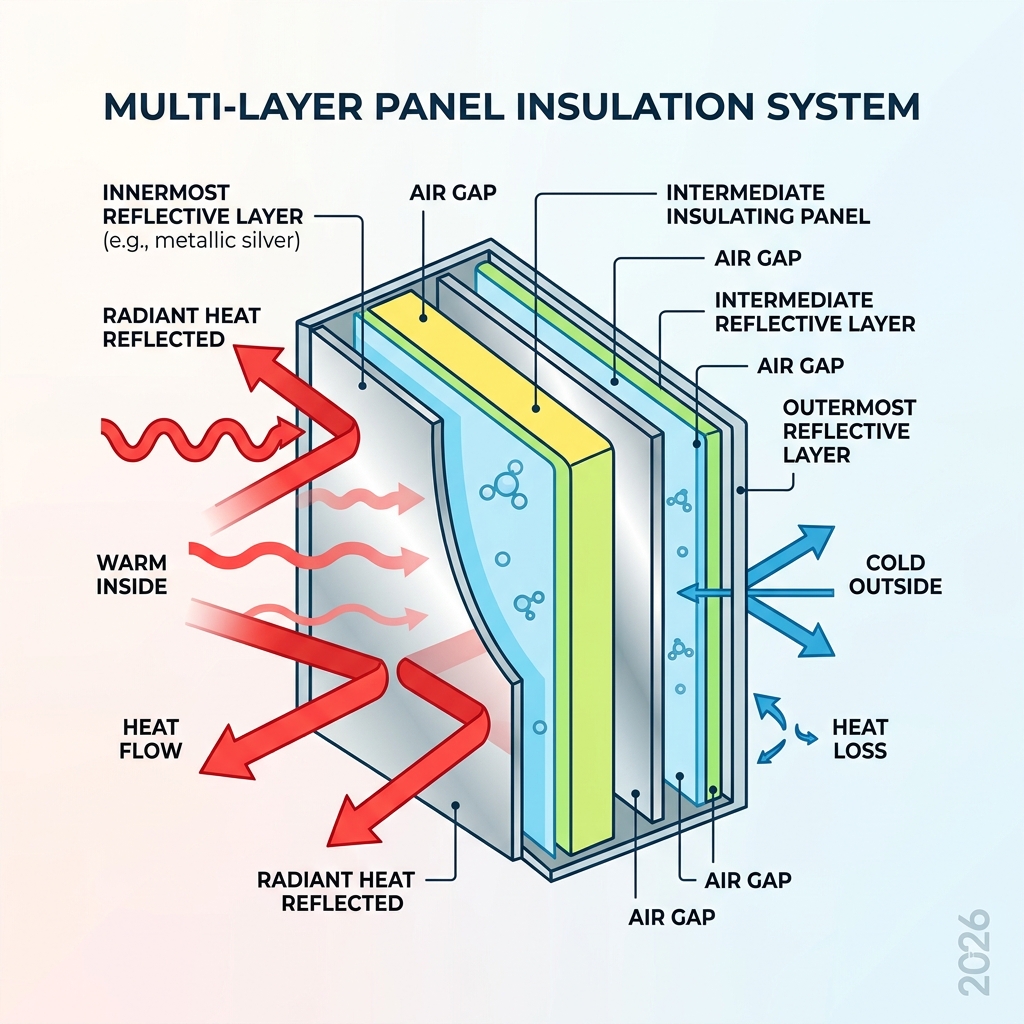
The principle is simple. Each additional reflective layer bounces heat back before it can escape. In fact, even adding just one thin reflective layer between a warm surface and cold air can cut radiant heat loss in half. Stack multiple layers together with staggered joints and you have a system that holds heat in far more effectively than any single-panel alternative.
These systems are used everywhere from commercial flat roofs to spacecraft. The same physics that keeps satellites from freezing in orbit can keep your home warm through a harsh winter.
Understanding Multi Layer Panel Insulation Technology
To understand why multi layer panel insulation is so effective, we have to look at the physics of heat. Heat doesn’t just move through objects (conduction) or air (convection); it also travels as waves of energy (radiation). Traditional fiberglass batts are great at slowing down conduction, but they are often “transparent” to radiant heat.
MLI technology works on the principle of radiation balance. According to the Stefan-Boltzmann law, the amount of heat a surface radiates is tied to its temperature and its “emissivity”—basically, how good it is at shedding heat. By using multiple thin, highly reflective layers, we create a series of barriers. Each layer reflects a massive portion of the thermal energy back toward the source.
In a vacuum, such as space or specialized industrial vacuum chambers, this is the gold standard for thermal control. Research, such as the Measurements of Multi-Layer Insulation at High Boundary Temperature, shows that as we increase the number of layers and decrease the emissivity of the materials, the overall heat transfer coefficient drops significantly. This makes it possible to maintain stable temperatures even when external conditions are extreme.
When we bring this technology back down to Earth for residential use, it translates to incredible energy savings. By insulating your home for energy efficiency, you aren’t just adding a thicker blanket; you’re installing a high-tech shield that manages all three types of heat transfer simultaneously.
Core Materials and Thermal Metrics
The “secret sauce” of any multi layer panel insulation system lies in its material composition. In high-performance aerospace and cryogenic applications, you’ll find materials like:
- Aluminized Kapton and Mylar: These are thin plastic films coated with a microscopic layer of metal (usually aluminum or silver). They are incredibly lightweight—internal layers are often just 6 μm (1/4 mil) thick.
- Beta Cloth: A specialized outer cover made of woven glass fibers often coated with Teflon. It’s tough, fire-resistant, and handles the harshness of the environment.
- Separators: To prevent the reflective layers from touching (which would cause heat to leak through conduction), manufacturers use lightweight spacers like polyester “bridal veil” scrim or fiberglass.
In construction and roofing, we look at different metrics. While aerospace engineers care about solar absorptance and infrared emittance, homeowners focus on the R-value and Long-Term Thermal Resistance (LTTR). LTTR is a critical metric for polyiso insulation, representing the thermal resistance maintained over a 15-year period.
Reducing Thermal Bridging in Multi Layer Panel Insulation
One of the biggest flaws in single-layer insulation is “thermal bridging.” This happens when heat finds a path through non-insulating materials, like metal fasteners or the gaps between panels.
We solve this by using multiple layers with staggered joints. Instead of one 4-inch panel where a single gap goes from the outside straight to the inside, we use two 2-inch panels. We offset the seams so the joint of the top layer sits over the solid center of the bottom layer.
Research shows that mechanically fastening only the base layer and using adhesive for subsequent layers can reduce thermal resistance loss by 3% to 8% compared to traditional single-layer installations. This method also provides superior moisture control. By eliminating direct air pathways, we prevent warm, moist interior air from hitting cold surfaces, which effectively stops condensation and mold growth before they start. Tools like an LTTR Calculator help architects and contractors configure these layers to meet strict ASHRAE standards for different climate zones.
Top Rated Multi-Layer Systems for Building and Industry
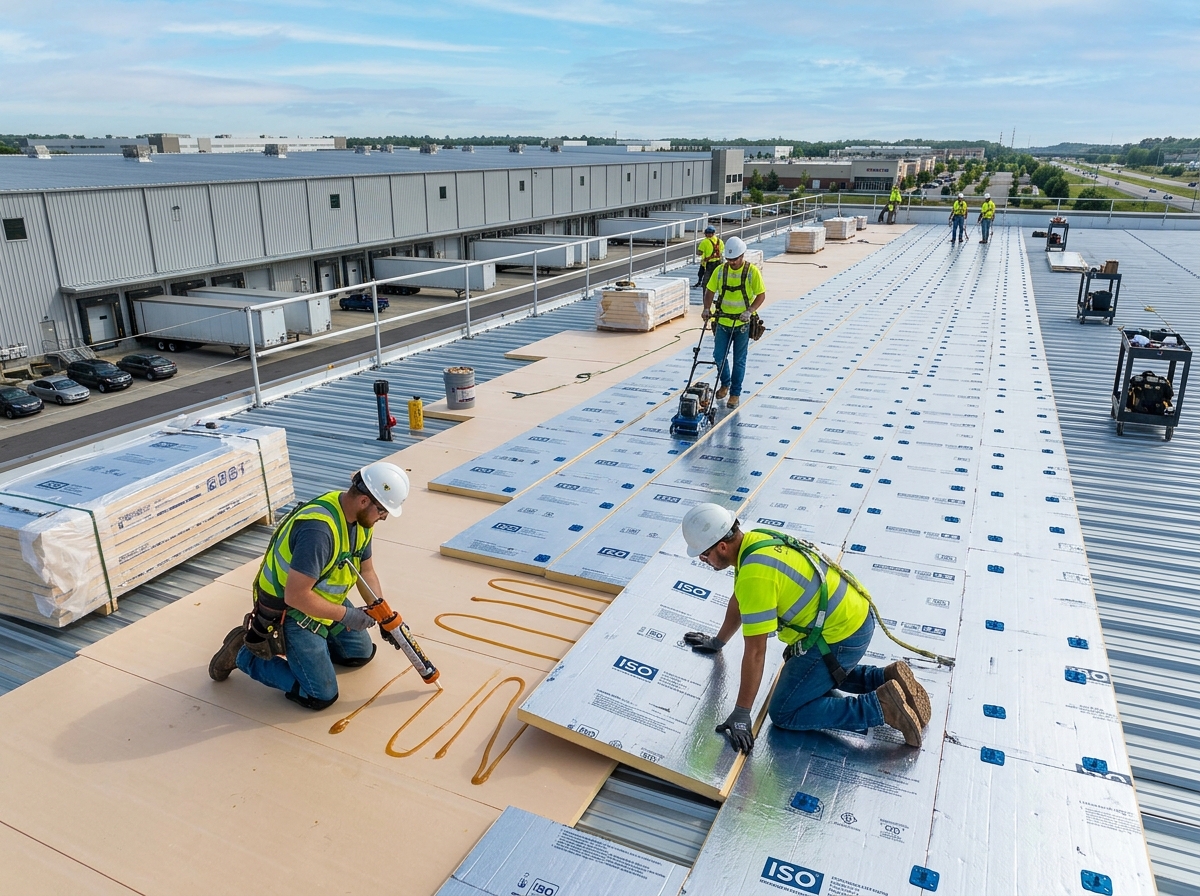
When we look at the best systems for 2026, the focus is on “smart” materials that do more than just sit there. Modern multi layer panel insulation systems are designed to be fire-safe, moisture-wicking, and incredibly durable. Whether you are following the ultimate guide to insulating your home or retrofitting a commercial warehouse, these systems represent the peak of current technology.
High-Performance Polyiso and Phenolic Systems
Polyisocyanurate (polyiso) remains a favorite in the industry because of its high R-value per inch. Top-tier systems now feature multiplex tri-laminate facers—layers of foil, kraft paper, and poly bonded to both sides of a rigid closed-cell foam core.
For areas where fire safety is the absolute priority, such as car park soffits or multi-unit residential buildings, phenolic core panels are the gold standard. These panels, like the high-performance PrimePanel, use a thermoset phenolic core that offers superior fire resistance and thermal performance.
Many of these systems are now designed to meet the A1 fire classification (the highest rating under EN 13501-1), making them non-combustible. This is particularly important for semi-exposed soffits and roof upstands where the material might be exposed to the elements or higher fire risks. By adhering to ASHRAE standards tailored to specific climate zones, these multi-layer systems ensure that buildings remain energy-efficient for decades, not just years.
Specialized Multi Layer Panel Insulation for Extreme Environments
While we use these panels to keep our living rooms cozy, the most extreme versions of this technology are currently orbiting Earth. In Low-Earth Orbit (LEO), spacecraft face a brutal environment of atomic oxygen, intense UV radiation, and potential meteoroid impacts.
A typical MLI blanket for a satellite might have 40 or more layers. According to the NASA Cryogenic Insulation Systems Report, 15 to 20 reflector layers are generally used for long-term LEO missions. These blankets act as the first line of defense, reflecting up to 99% of incoming radiation. The outer layers, often made of Beta cloth, are specifically engineered to resist erosion from atomic oxygen, ensuring the delicate instruments inside stay at a functional temperature.
Design, Manufacturing, and Installation Standards
Creating a high-performance multi layer panel insulation system isn’t as simple as stacking sheets of foil. It requires precision engineering and strict adherence to manufacturing standards to ensure the system doesn’t fail under pressure—literally.
Manufacturing and Perforation Techniques
One of the most critical steps in manufacturing MLI for vacuum environments is perforation. If you take a sealed insulation blanket from the Earth’s surface into the vacuum of space, the air trapped inside will expand and cause the blanket to “balloon” or even burst.
To prevent this, manufacturers use precision punch and micro-perforation techniques. These tiny holes allow air to escape during the rapid decompression of a rocket launch. Beyond perforation, modern manufacturing has moved toward:
- Ultrasonic Welding: This joins layers without adding the weight or thermal conduction of traditional threads.
- PEEK Tag Pins: High-strength plastic pins that hold layers together while minimizing “heat leaks” that occur with metal fasteners.
- Clean Room Handling: Because even a fingerprint or a speck of dust can change the emissivity of a reflective layer, these materials are handled in controlled environments using powder-free gloves.
For those interested in the technical nitty-gritty, the NASA Multi-layer Insulation Material Guidelines provide exhaustive details on outgassing requirements and flammability standards.
Maintenance and Repair Protocols
Even the best insulation needs a check-up. For building facades, we recommend an annual inspection, preferably in the spring. This involves checking for physical damage, ensuring the joints remain tight, and cleaning the surface with mild detergents if necessary.
In specialized applications, repairs require specific materials to maintain the thermal seal:
- Aluminized/Goldized Tape: Used to patch tears in the reflector layers.
- Teflon-Glass Tape: Used for repairing the tough outer covers like Beta cloth.
- Grounding Straps: These are essential for preventing static discharge. Because MLI consists of many metallic layers, they can act like a capacitor and build up a dangerous electrical charge. Grounding straps (often installed in an “accordion” fold) ensure that any charge is safely bled off to the structure.
When using MLI blankets under poor vacuum conditions, their performance drops significantly if gas conduction takes over. Keeping the system dry and free of contaminants is the best way to ensure long-term performance.
Frequently Asked Questions about Multi Layer Panel Insulation
How many layers are typically used in MLI blankets?
For standard spacecraft and satellites, a blanket usually consists of 15 to 40 layers. In home construction, “multi-layer” usually refers to 2 to 5 layers of specialized materials or the stacking of several rigid foam panels with staggered joints.
What is the advantage of multi-layering over single-layer polyiso?
Multi-layering eliminates the “straight-through” gaps found in single-layer systems. By staggering the joints and using adhesive instead of metal fasteners for the top layers, you can reduce thermal bridging and increase the overall effective R-value by up to 8%. It also significantly reduces the risk of condensation within the roof or wall system.
Why do satellites appear to be covered in gold foil?
That “gold” look is actually a result of the materials used in multi layer panel insulation. Most blankets use a silver-colored aluminized Mylar or Kapton. When the amber-colored Kapton layer is placed over the silver aluminum coating, it creates a brilliant gold appearance. It’s not just for looks—it’s the most efficient way to reflect thermal radiation in space!
Conclusion
At Financefyx, we believe that understanding the technology behind your home’s efficiency is the first step toward a more sustainable future. Whether it’s the high-tech MLI protecting a satellite or the multi layer panel insulation keeping your attic warm, the goal is the same: maximum performance with minimum waste.
By choosing multi-layered systems, you are investing in a design that tackles heat loss from every angle. You’re reducing thermal bridging, stopping moisture build-up, and ensuring that your building envelope meets the highest modern standards. If you’re ready to take the next step in your green energy journey, explore more renewable energy solutions on our site to see how you can further optimize your home for the years to come.
