
Fill Those Cracks: A Guide to Floorboard Fillers
Why Gaps Appear in Hardwood Floors
Wood is a living material, even after it has been cut, sanded, and nailed into your home. It breathes and reacts to its environment. When we talk about why gaps appear, the most common culprit is humidity changes. Wood contains moisture, and it seeks to stay in equilibrium with the air around it. In the summer, when humidity is high, floorboards soak up moisture and swell. In the winter, when the heater kicks on and the air dries out, the wood releases that moisture and shrinks. This is known as seasonal movement.
In specific regions like Colorado, the climate is notoriously dry. Even if a homeowner follows the rules for wood acclimatization—letting the wood sit in the house for four weeks before installation—the extreme lack of humidity can still cause gaps up to 1/8 inch wide to appear.
Other factors include:
- Structural Settling: As a house settles into its foundation, the subfloor can shift slightly, pulling boards apart.
- Improper Installation: If the boards weren’t pulled tight during the initial install, gaps are inevitable.
- Lack of Subfloor Preparation: Uneven subfloors can cause boards to flex and rub, eventually leading to wider joints.
Understanding these gaps is a key part of home maintenance. Just as you would how to seal air leaks to save energy in your windows or doors, sealing floor gaps prevents “chimney effects” where cold air is sucked up from a crawlspace or basement. For a deeper dive into protecting your home’s envelope, check out the ultimate guide to insulating your home.
Choosing the Right Floor Gap Filler
Selecting the best floor gap filler depends entirely on the type of gap you are facing and the type of flooring you have. Not all fillers are created equal; some are designed to be rock-hard, while others are meant to move.
Wood Putty and Latex Fillers
Products like Gorilla All Purpose Wood Filler or Elmer’s Carpenter’s Wood Filler are incredibly popular for a reason. With over 13,000 reviews and a 4.6-star rating for Elmer’s, these latex-based fillers are the go-to for small cracks and nail holes. They are easy to apply, dry quickly, and are highly sandable. However, they are rigid. If your floor moves significantly with the seasons, a rigid filler may eventually crack and pop out of the gap.
Acrylic and Silicone-Free Sealants
For a more professional finish, many installers turn to LOBA GapFiller – Acrylic-Based, Silicone-Free, Multi-Surface Joint & Gap Filler. Because it is silicone-free, it doesn’t repel floor finishes. You can sand it and coat it with polyurethane just like the wood itself. It’s compatible with solid wood, engineered wood, laminate, and even cork.
Epoxy Putties
For deep gouges or structural repairs, an epoxy putty like J-B Weld KwikWood is a powerhouse. It’s a “mix-and-mold” product that dries harder than wood. It’s perfect for the ends of boards that have splintered but isn’t ideal for long, thin gaps between planks because it doesn’t allow for any movement.
Summary Table: Rigid vs. Flexible Fillers
| Feature | Rigid Fillers (Putty/Latex) | Flexible Fillers (Acrylic/Latex Sealant) |
|---|---|---|
| Movement | Low; may crack if boards shift | High; stretches and compresses |
| Best Use | Nail holes, knots, static cracks | Gaps between planks, expansion joints |
| Sanding | Very easy; sands to a powder | Requires care; can be “gummy” if not fully dry |
| Durability | High in stable environments | High in high-traffic or shifting areas |
When to Use a Flexible Floor Gap Filler
We generally recommend a flexible filler for any gap that sits between two long edges of floorboards. These are “trafficable joints” that experience the most pressure and movement. Selleys No More Gaps Timber Flooring Flexible Gap Filler is a standout here because it contains real wood fiber. This helps it take on stain more naturally than a standard plastic-based caulk. Using a flexible filler creates an airtight seal that blocks drafts, dust, and pests from rising through the floor.
How to Choose a Color-Matched Floor Gap Filler
The biggest challenge in DIY repair is making the filler “disappear.” If you choose a “Natural” tone for a “Dark Walnut” floor, the gaps will stand out more than they did before.
- Check the Dry Tone: Most fillers, like the Wooden Floor Gap Filler | Seam Sealant for Filling Gaps in Hardwood Flooring, may look lighter when wet but dry significantly darker. Always do a test patch in a closet.
- Match the Species: Look for labels like “White Oak,” “Cherry,” or “Golden Oak.”
- Stain Compatibility: If you plan to refinish the whole floor, ensure the filler is labeled “stainable.” Standard caulks will repel stain, leaving you with ugly white lines.
Top-Rated Floor Gap Filler Products and Coverage
When planning your project, knowing how much product to buy is half the battle. You don’t want to be halfway through your living room only to realize you’re out of sealant.
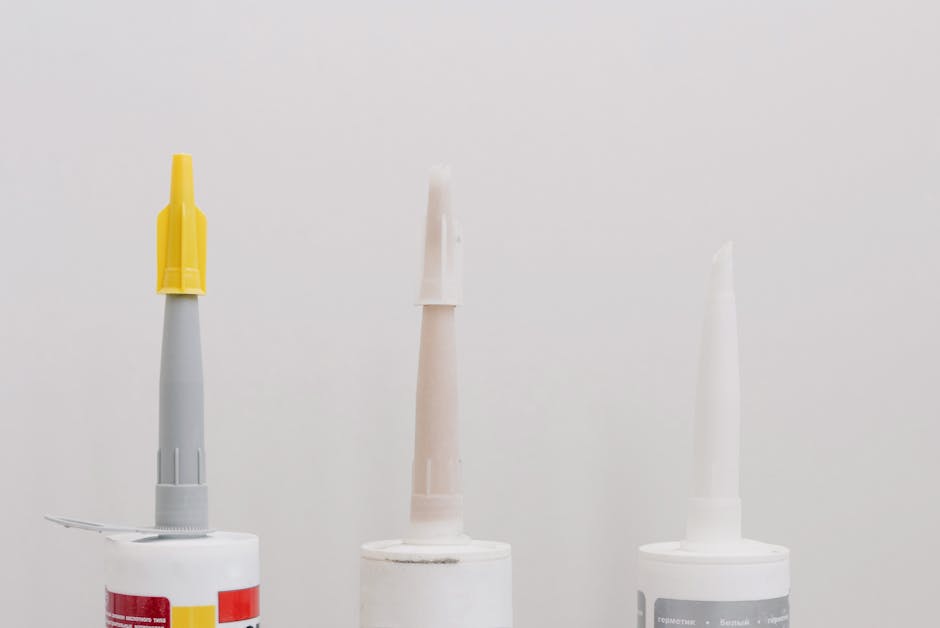
- Cal-Flor ColorSeal: This is a favorite for DIYers because it comes in an easy-squeeze tube—no caulk gun required. A 5.5 fl oz tube provides about 26 lineal feet of coverage with a 5/32″ bead. If your gaps are wider (5/16″), expect about 19 feet per tube.
- Selleys No More Gaps: A larger 380g cartridge (requires a caulk gun) covers approximately 18 meters (about 59 feet) for a 3mm bead.
- DAP Flexible Floor Patch and Leveler: If you are dealing with gaps in your subfloor before laying new wood, the DAP Flexible floor patch and leveler is the industry standard. It stays flexible so it won’t crack when the plywood subfloor flexes under foot traffic. It’s available in 32-oz tubs and is perfect for leveling low spots or filling knot holes.
Step-by-Step Guide to Filling Gaps in Wooden Floors
Ready to get started? Filling gaps is a satisfying weekend project that requires more patience than muscle.

1. Surface Preparation
You cannot fill a gap that is full of dust. Use a vacuum with a thin crevice tool to suck out all debris. If there is old, crumbling filler in the cracks, use a putty knife or a small screwdriver to gently scrape it out. Wipe the floor with a slightly damp (not soaking) cloth to remove fine dust.
2. Application
If you are using a tube like Cal-Flor ColorSeal, cut the tip at a 45-degree angle. Press the bead firmly into the gap. You want the floor gap filler to go into the crack, not just sit on top. If you are using a tub-based filler like Gorilla Wood Filler, use a flexible putty knife to butter the gap, pressing down firmly.
3. Removing Excess
This is the secret to a professional look. For flexible sealants, use a damp finger or a caulk tool to smooth the bead immediately. For rigid fillers, leave it slightly “overfilled” (heaped up) because it will shrink slightly as it dries. Once dry, you will sand it flush.
4. Drying and Sanding
Drying times vary wildly. LOBA GapFiller forms a skin in 2 hours but needs 12 hours before sanding. DAP Plastic Wood-X features “DryDex” technology that actually changes color from pink to white when it’s ready to sand. Once dry, use fine-grit sandpaper (120-180 grit) to sand the filler flush with the wood.
5. Staining and Finishing
If your filler is color-matched, you might be done! If not, apply your stain and finish. Remember to wipe away excess stain from the filler quickly, as it can sometimes absorb more color than the surrounding wood. This is a great time to consider green flooring solutions for your home if you’re planning a full refinish with low-VOC products.
Maintenance and Prevention of Future Gaps
Once your floors look beautiful again, you’ll want to keep them that way. Prevention is always easier than repair.

Humidity Control
The best way to prevent gaps is to maintain a consistent indoor environment. Aim for a relative humidity of 35% to 55%. In winter, use a whole-home humidifier to keep the wood from shrinking. This not only protects your floors but also helps with insulating your home for energy efficiency by keeping the air feeling warmer at lower temperatures.
Gaps You Should NOT Fill
It is tempting to fill every crack you see, but some gaps are there for a reason:
- Perimeter Expansion Gaps: These are the 1/4″ to 3/8″ gaps around the edge of the room, usually hidden by baseboards or quarter-round molding. Never fill these with rigid filler! The floor needs this space to expand in the summer. If you must fill them (for draft or pest reasons), use a compressible foam expansion strip.
- Large Structural Gaps: If a gap is wider than 1/4 inch and runs across the entire room, it might indicate a foundation issue. Filling it will only mask the problem.
Frequently Asked Questions about Floor Gap Filler
Can floor gap fillers be sanded and stained?
Most high-quality fillers like Selleys or LOBA are specifically designed to be sanded and stained. However, always check the label. Silicone-based caulks cannot be sanded or stained and will leave a permanent mess on your hardwood.
How long does floor gap filler take to dry before walking?
For small nail holes, you can often walk on the floor within 2 to 4 hours. For deep gaps filled with flexible sealant, we recommend waiting at least 24 hours. Walking on “wet” filler can cause it to compress or pull away from the edges of the boards.
Is DIY gap filling better than professional repair?
DIY is excellent for aesthetic repairs and small gaps. It’s cost-effective, with most tubes costing between $7 and $15. However, if your entire floor is “gapping” significantly, it might require a professional to perform a “full trowel fill” during a complete sand-and-refinish job.
Conclusion
At Financefyx, we believe that maintaining your home’s “bones” is the best way to preserve its value and your comfort. Sealing your floorboards with a quality floor gap filler is a simple, high-impact project that pays off in draft-proofing, pest prevention, and pure aesthetic joy. Whether you’re choosing a high-tech acrylic like LOBA or a classic like Gorilla Wood Filler, taking the time to do it right will ensure your hardwood stays beautiful for decades.
For more ways to keep your home running efficiently and looking its best, explore our More energy saving tips. Happy floor fixing!
