
Stop the Chill with These Basement Floor Insulation DIY Projects
Why Your Cold Basement Is Costing You More Than You Think
DIY basement wall insulation is one of the highest-impact home improvement projects you can tackle — and you don’t need to be a contractor to do it right.
Quick answer: How to insulate basement walls yourself
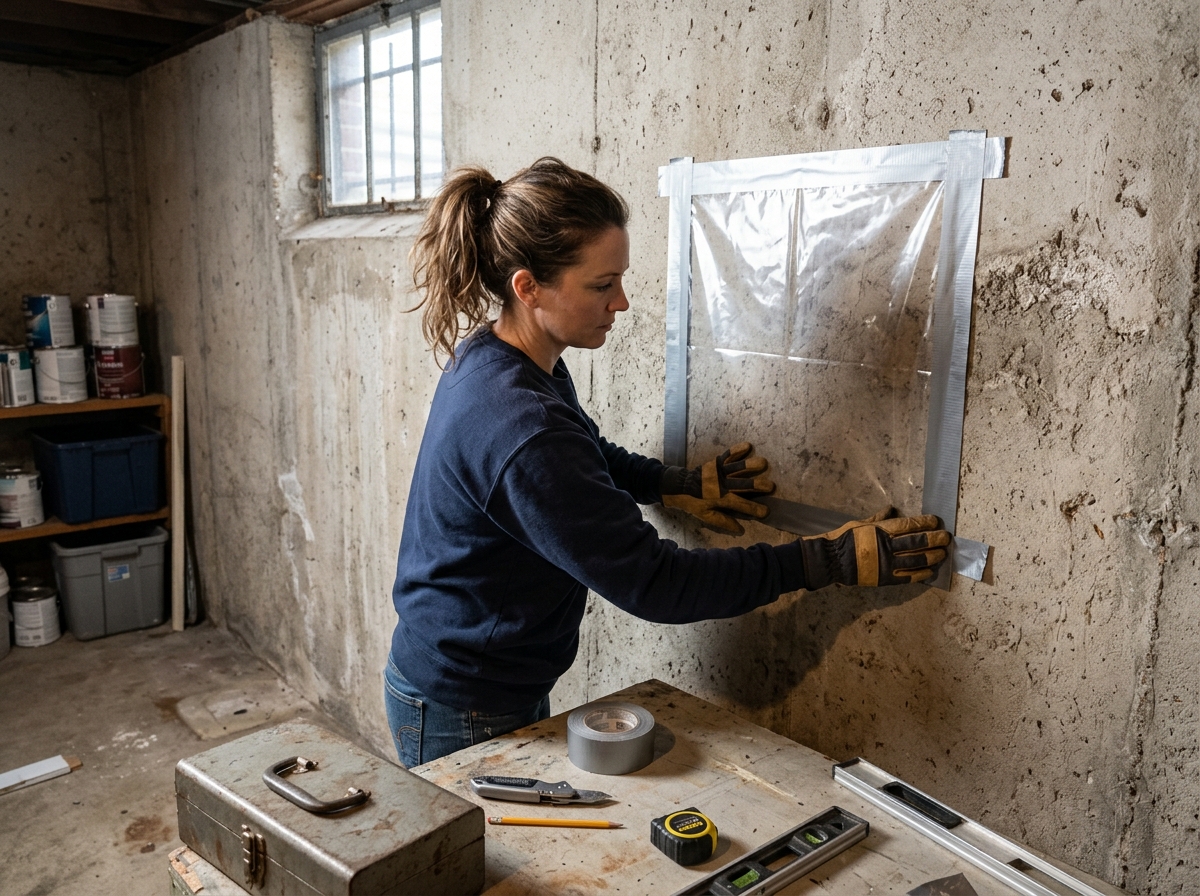
- Test for moisture — tape plastic sheeting to the wall for 48 hours and check for condensation
- Fix any leaks or cracks — use hydraulic cement and wall sealant before anything else
- Choose your insulation material — rigid foam board, mineral wool, or closed-cell spray foam work best
- Install insulation — attach rigid foam with foam-safe adhesive, or frame a stud wall for batt insulation
- Seal all gaps — use canned spray foam on seams, edges, and rim joists
- Cover with drywall — required by code over any foam insulation for fire safety
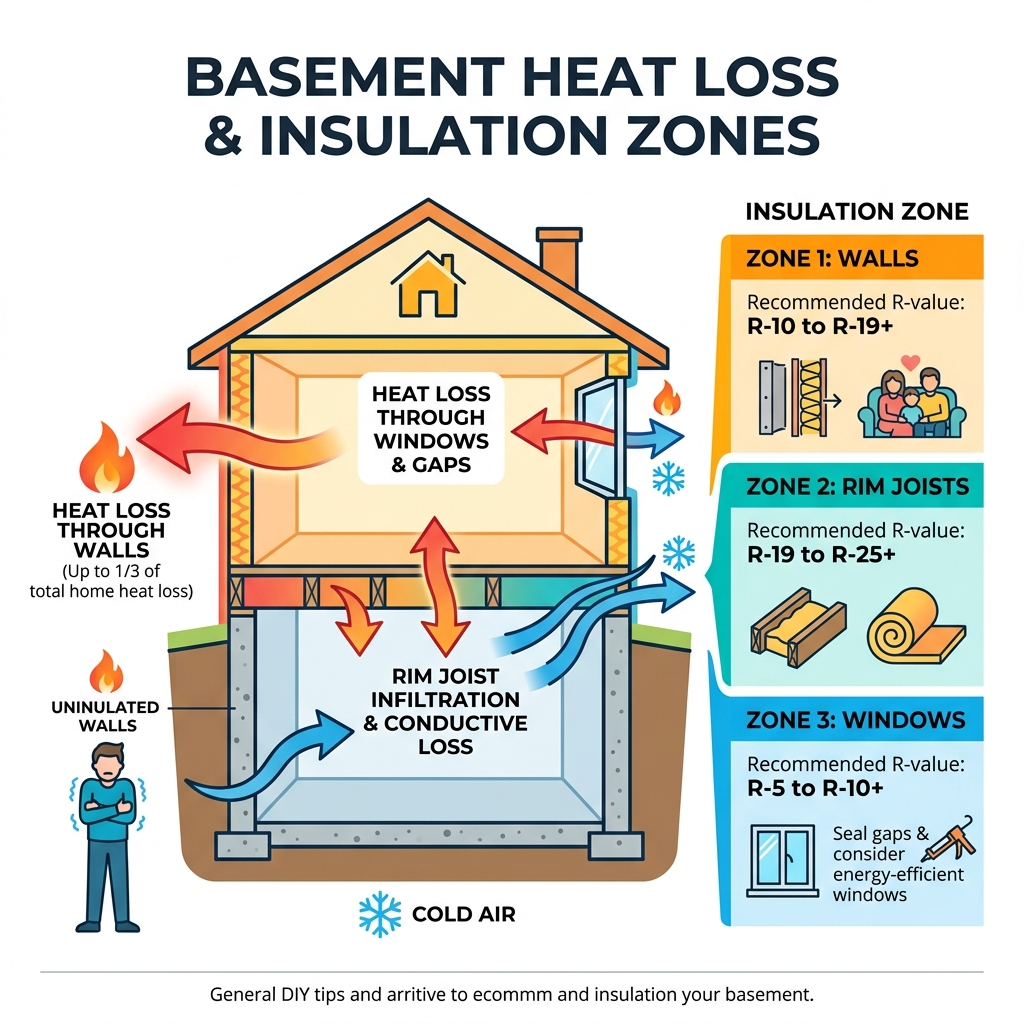
Here’s the uncomfortable truth: if your basement walls are bare concrete, you’re likely losing up to one-third of your home’s total heat right through the foundation. That’s not just a comfort problem — it’s money walking out the door every single month during winter.
A 1925 Chicago bungalow owner described it well in a popular DIY forum: the cost of insulation materials hit harder than expected, and it was holding up the entire basement finishing project. That story sounds familiar to a lot of homeowners.
The good news? You can make a real dent in heat loss with a weekend, some rigid foam boards, and less than $500 in materials — if you know where to focus your effort.
This guide walks you through everything: moisture prep, material choices, step-by-step installation, and how to stay within budget without cutting corners on safety or code compliance.
Why DIY Basement Wall Insulation is a Game Changer
We often think of heat rising and escaping through the attic, but the “stack effect” actually pulls cold air in through the lower levels of your home. According to U.S. Department of Energy research on heat loss, uninsulated basement walls can account for a massive chunk of your utility bill.
By taking on diy basement wall insulation, we aren’t just making the basement “less cold.” We are fundamentally changing the thermal envelope of the house. This leads to:
- Lower Energy Bills: Homeowners can save between 10% and 30% annually on heating and cooling costs.
- Improved Comfort: No more freezing toes when you’re walking across the first floor.
- Moisture Control: Proper insulation prevents warm, humid indoor air from hitting cold concrete and condensing into droplets. This is a major win for Insulating Your Home for Energy Efficiency because it stops mold before it starts.
- Increased Property Value: A finished, insulated basement adds usable square footage that buyers love.
In regions like Climate Zone 4, the recommended R-value for basement walls is typically R-10 to R-13. If you live further north, you might need R-15 or higher to meet local building codes. Understanding these requirements is the first step in moving from a damp storage “dungeon” to a cozy living space.
Preparing Your Foundation: Moisture Tests and Repairs
Before we even look at a piece of foam, we have to talk about water. Concrete is porous; it acts like a giant sponge. If we trap water behind our new insulation, we’re essentially building a “mold hotel.”
The Plastic Sheet Test
The most reliable way to check for moisture is the simple plastic test. Tape a 24×24-inch piece of clear plastic sheeting to various spots on your bare concrete walls. Use duct tape to seal all four edges. Wait at least 48 hours (some experts suggest two weeks for a thorough check).
- Condensation on the outside of the plastic? Your basement air is too humid. A dehumidifier is your new best friend.
- Condensation on the inside (against the wall)? You have moisture seeping through the foundation.
Sealing the Leaks
If you find dampness, we need to address it. Check your gutters and downspouts first—90% of basement water issues start with poor drainage outside. Inside, look for “tie rods” (the little metal bits left over from the concrete forms). These often rust and leak. Tap them below the surface, mist the hole with water, and plug it with hydraulic cement mixed to a peanut butter consistency.
For larger cracks, use a masonry sealant. Always ensure the wall is clean and free of dust before applying any Moisture control and mold prevention techniques. For more on the broad strokes of home prep, check out The Ultimate Guide to Insulating Your Home.
Choosing the Best DIY Basement Wall Insulation Materials
Not all insulation is created equal, especially in a below-grade environment. We need materials that don’t mind a little humidity.
| Material | R-Value per Inch | Best For | Pros | Cons |
|---|---|---|---|---|
| XPS (Extruded Polystyrene) | R-5 | Most DIY Walls | Moisture resistant, easy to cut | High global warming potential |
| EPS (Expanded Polystyrene) | R-3.8 | Budget projects | Breathable, cheaper than XPS | Lower R-value per inch |
| Polyisocyanurate | R-6.5 | Max R-value | Highest R-value, foil face | Performance drops in very cold temps |
| Mineral Wool | R-4.2 | Fire safety/Rough walls | Fireproof, won’t rot | Heavier, more expensive |
| Closed-Cell Spray Foam | R-6.5 | Irregular stone walls | Air seals and insulates in one | Messy, expensive for large areas |
| Fiberglass Batts | R-3.2 | Stud cavities | Very cheap, widely available | Absorbs water, prone to mold |
We generally recommend avoiding fiberglass batts directly against concrete. If they get wet, they lose their R-value and become a breeding ground for mold. Instead, look into Energy Saving Methods for Home Insulation that prioritize continuous rigid foam.
Understanding R-Value Requirements for DIY Basement Wall Insulation
The International Residential Code (IRC) sets the bar for thermal resistance. In Climate Zone 4 (think Maryland, Kentucky, parts of the Midwest), you usually need R-10 continuous insulation or R-13 in a cavity. In Zones 5 through 8 (the cold North), that jumps to R-15 continuous or R-19 in a cavity.
“Continuous” means the insulation isn’t interrupted by wood studs. This is why rigid foam is so effective; it creates an unbroken thermal break between the cold earth and your warm home.
Safety Gear and Tools for DIY Basement Wall Insulation
Safety isn’t just a suggestion; it’s a requirement. When working with insulation, we always wear:
- Respirator/Dust Mask: Especially if cutting foam or handling mineral wool.
- Gloves and Eye Protection: Foam shards and adhesive are no joke.
- Hammer Drill and Masonry Bits: Essential for attaching furring strips or studs to concrete.
- Foam-Safe Adhesive: Standard construction adhesive can actually melt your foam boards!
For more seasonal prep ideas, see our guide on Catch the Heat Insulation Tips for Winter.
Step-by-Step Installation Methods
There are two primary ways we tackle this: the “Thin Profile” (Rigid Foam + Furring Strips) and the “Maximum Comfort” (Rigid Foam + Stud Wall). Regardless of the method, we always start with the rim joists—the area where your house frame meets the foundation. This is a massive source of air leaks.
Before diving in, refresh your knowledge on other areas of the home with Attic Insulation Tips Save Energy and Money to ensure your whole-house strategy is sound.
Step-by-Step DIY Basement Wall Insulation with Rigid Foam
This is the most popular method for DIYers because it saves space.
- Cut the Foam: Measure your wall height and cut your rigid foam boards (XPS or Polyiso) using a utility knife and a straight edge.
- Apply Adhesive: Use a foam-compatible adhesive in a “serpentine” pattern on the back of the board.
- Press and Hold: Press the board firmly against the concrete. If your walls are uneven, you may need to use mechanical fasteners like masonry screws with large plastic washers.
- Tape the Seams: Use high-quality vapor barrier tape on every single seam. This creates an airtight seal.
- Seal the Perimeter: Use canned spray foam to seal the gap at the floor and the ceiling.
- Install Furring Strips: Attach 1×3 wood strips vertically over the foam using a hammer drill and masonry screws. This gives you a surface to nail drywall to.
Building a Stud Wall for Maximum R-Value
If you have the space (about 4-6 inches of wall thickness), building a traditional 2×4 stud wall in front of your rigid foam is the gold standard.
- Install Rigid Foam First: Always put at least 1 inch of foam against the concrete to prevent condensation.
- Frame the Wall: Build your 2×4 wall about 1/2 inch away from the foam. Use pressure-treated lumber for the bottom plate that touches the floor.
- Add Cavity Insulation: Place mineral wool or fiberglass batts between the studs.
- Vapor Retarder: In very cold climates, apply a 4-mil polyethylene vapor retarder over the studs—but only if you haven’t used thick rigid foam that already acts as a barrier. You don’t want a “double vapor barrier” which traps moisture in the middle.
- Drywall: Install 1/2-inch “green board” (moisture-resistant drywall) and finish as usual.
Budget-Friendly Hacks and Critical Finishing Touches
If you’re staring at a 900 sq. ft. basement with only $500 in your pocket, don’t panic. You can still make a huge difference. You might not be able to finish the whole room, but you can stop the heat loss.
Budget-Friendly DIY Basement Wall Insulation for $500
Instead of doing the full height of every wall, focus on the “above-grade” portion. The top 2 feet of your basement wall are exposed to the outside air and lose heat much faster than the portion buried deep in the dirt.
- The Rock Wool Strategy: Buy several bags of rock wool (mineral wool) batts. Frame a simple “half-wall” or use furring strips on the top 2-3 feet of the wall.
- Rim Joists First: Use your budget to buy a DIY spray foam kit or rigid foam scraps to seal every single rim joist cavity. This is the “low hanging fruit” of energy efficiency.
- Window Treatments: Basement windows are notorious for leaks. Check out how to Save Energy with Insulated Window Treatments to seal those drafty spots with plexiglass or heavy curtains.
When to Call a Professional
We love a good DIY project, but sometimes you need the big guns. Call a pro if:
- You see standing water: If your basement floods, insulation will just hide the problem until it becomes a structural disaster.
- The walls are bowing: If your foundation walls are pushing inward, you have a structural issue that needs “piers” or “anchors,” not foam.
- You want full spray foam: DIY spray foam kits are great for small areas, but for a whole basement, a professional with a truck-mounted rig is often cheaper and much more effective.
Frequently Asked Questions about DIY Basement Wall Insulation
Do I need a vapor barrier with rigid foam insulation?
Generally, no. Rigid foam (XPS or Polyiso) at a thickness of 2 inches or more acts as its own vapor retarder. Adding a plastic sheet on top can actually trap moisture between the two layers and cause rot. Always check your local codes, but “less is more” when it comes to multiple vapor barriers.
Should I insulate the full height of the basement wall?
For maximum energy efficiency and to meet modern building codes, yes. However, if you are on a tight budget, insulating the top 2-4 feet (the part above the frost line) provides the most “bang for your buck.”
Is drywall required over foam insulation in a basement?
Yes! Foam insulation is highly flammable and releases toxic smoke if it catches fire. Building codes require a “thermal barrier,” which is almost always 1/2-inch drywall. Never leave bare foam exposed in a living space or storage area.
Conclusion
Tackling diy basement wall insulation is one of the smartest moves we can make for our homes. It’s a project that pays for itself in energy savings while making our living spaces much more enjoyable. By starting with a dry foundation, choosing the right foam, and sealing those pesky rim joists, you’re well on your way to a warmer, drier home.
The key to success is moisture management. Don’t rush the prep work! Once your walls are sealed and snug, you can enjoy the peace of mind that comes with a lower utility bill and a more comfortable home. For more ways to keep your home running efficiently, dive into our other Energy Saving Tips. Happy insulating!
