
Stop the Sill-y Shivers with These Frame Fixes
That Cold Chill Is Costing You Money
A draft from window frame gaps is one of the most common — and most expensive — problems in any home. Even a single leaky window can cut your heating efficiency by up to 30%.
Here’s how to fix it fast:
- Find the draft — run your hand along the window edges or use a candle to spot moving air
- Clean the surface — wipe the frame with rubbing alcohol before applying any sealant
- Seal fixed gaps — apply silicone or latex caulk around non-moving parts of the frame
- Seal moving parts — install weatherstripping on sashes and operable sections
- Add a temporary layer — use window shrink film or a draft snake for quick relief
- Replace if needed — persistent drafts despite sealing may mean a full window replacement
Drafty windows don’t just make rooms uncomfortable. They force your heating system to work harder, drive up utility bills, and let in dust, allergens, and moisture. Research shows drafty windows can account for up to 30% of a home’s total energy loss — and fixing them can save you 20 to 30% on heating and cooling costs.
Think about it this way: that nagging chill you feel every winter isn’t just uncomfortable — it’s money leaking out through your walls.
The good news? Most window frame drafts are fixable without professional help. Whether your frames are old or brand new, wood or vinyl, there’s a solution that fits your situation and your budget.

Why You Feel a Draft from Window Frame Structures
Before we grab the caulk gun, we need to understand why our windows have decided to let the outdoors in. A draft from window frame areas isn’t usually the fault of the glass itself, but rather the structural components holding that glass in place.
Structural Settling and House Movement
Houses are living things—or at least, they move like they are. Over time, a home’s foundation can shift by just a few millimeters. While that doesn’t sound like much, it’s enough to twist a window frame out of square. When the frame is no longer a perfect rectangle, the sash (the part that moves) can’t sit flush against the jamb. This creates tiny gaps that even the best weatherstripping can’t always block.
Material Expansion and Contraction
Whether you have wood, vinyl, or metal frames, they all react to the weather. Wood expands with humidity and contracts in the dry winter air. Vinyl can expand and contract significantly with temperature swings. This constant “breathing” eventually causes cracks in old caulk and wears down the adhesive on weatherstripping.
Poor Installation
Sometimes, the draft was there from day one. If a window wasn’t shimmed correctly or if the installer skipped the insulation between the window frame and the rough opening in your wall, you’ll feel air whistling through. In these cases, the air isn’t coming through the window—it’s coming around it.
Failed Components
According to The Most Common Window Parts That Cause Drafts, several specific parts are usually to blame:
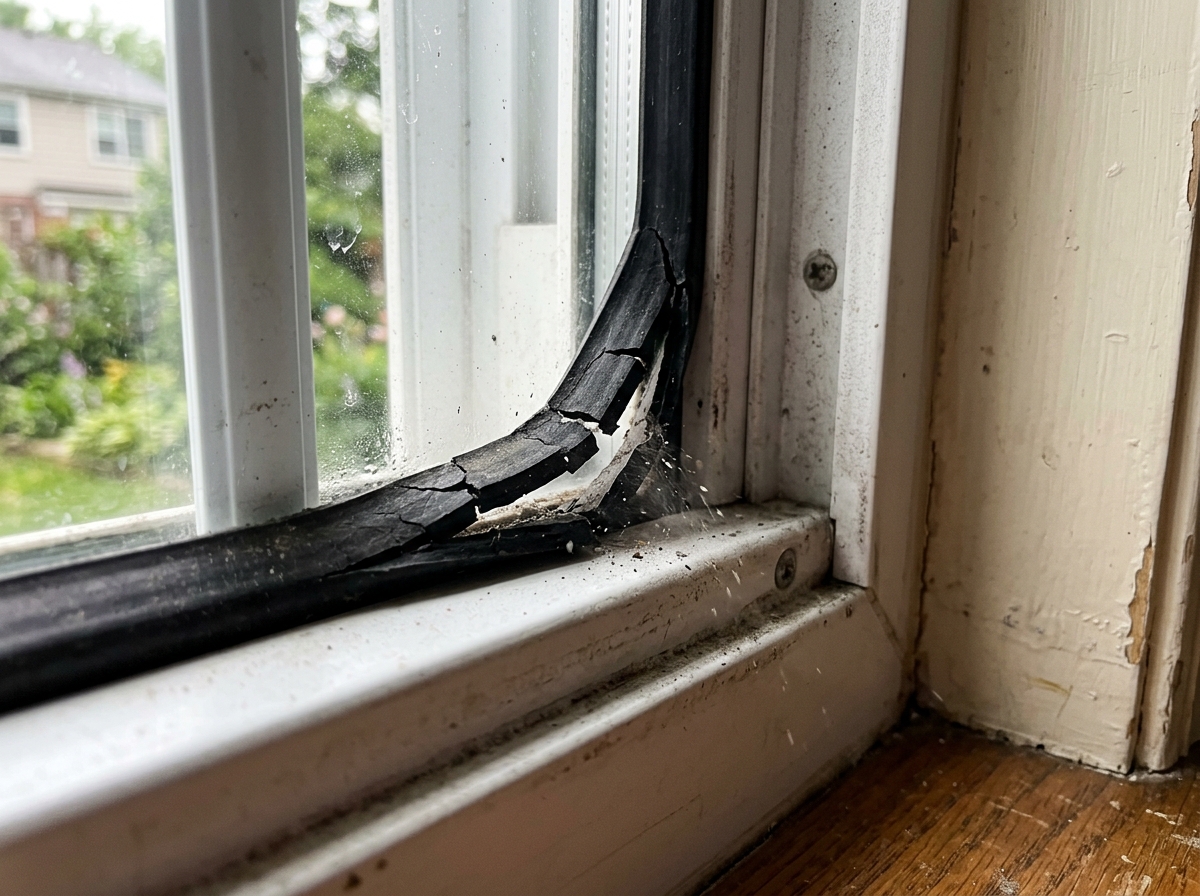
- Degraded Seals: The rubber or foam gaskets that compress when you close the window lose their “bounce” over time.
- Failed Glazing: In older wood windows, the putty (glazing) holding the glass to the frame can crack and fall out.
- Worn Weatherstripping: This is the fuzzy or rubbery material that fills the gaps in moving parts. It typically only lasts 2 to 5 years before it needs a refresh.
For more detailed strategies on tightening up your home’s envelope, check out our guide on how to seal air leaks to save energy.
How to Detect a Draft from Window Frame Gaps
You can’t fix what you can’t find. Air is invisible, which makes it a tricky opponent. However, with a few “detective” tools, you can pinpoint exactly where that draft from window frame gaps is originating.
The Hand Test
The simplest method is the “human draft detector.” Dampen your hand with a little water and run it slowly around the perimeter of the window frame on a windy day. The evaporation of the water on your skin will make even the tiniest cool breeze feel like an arctic blast.
The Candle or Incense Test
Light a candle or a stick of incense and hold it near the window’s edges. If the flame flickers or the smoke wisps are pulled toward or pushed away from the frame, you’ve found a leak. This is oddly satisfying and very effective for finding “whistling” drafts.
The Dollar Bill Test
Open your window, place a dollar bill across the frame, and close the window tightly. If you can pull the dollar bill out easily without any resistance, your seals aren’t compressing properly. If it’s stuck tight, that section is sealed well.
High-Tech Detection
If you want to get serious, an infrared thermometer can be incredibly revealing. Look for temperature differences of 5°C (about 9°F) or more between the frame and the surrounding wall. This indicates a significant thermal bridge or air leak.
| Method | Best For | Difficulty |
|---|---|---|
| Hand Test | Large, obvious leaks | Very Easy |
| Candle/Incense | Pinpointing small gaps | Easy |
| Dollar Bill | Testing seal compression | Very Easy |
| Flashlight | Finding visible cracks | Easy |
| Infrared | Detecting hidden insulation gaps | Moderate |
The Flashlight Method
At night, have someone stand outside with a bright flashlight and shine it around the window edges while you stay inside. If you see light peeking through the frame, you’ve found a gap large enough to let in a significant draft.
Step-by-Step Guide to Sealing Your Window Frames
Once you’ve identified the leaks, it’s time to get to work. Sealing a draft from window frame structures is a rewarding DIY project that pays for itself almost immediately. For a broader look at home protection, you might want to dive into the ultimate guide to insulating your home.
Preparation is Key
Don’t just slap new sealant over the old stuff. It won’t stick, and it won’t last.
- Remove Old Material: Use a putty knife or scraper to remove cracked caulk or peeling weatherstripping.
- Clean Thoroughly: Use rubbing alcohol or a mild detergent to wipe down the frame. This removes oils and dust, ensuring the new adhesive or caulk bonds perfectly to the surface.
- Dry Completely: Ensure the area is bone-dry before proceeding.
Filling Large Gaps
If you find large gaps between the window frame and the wall, caulk might not be enough. This is where low-expansion spray foam comes in. Be sure to use the “Window and Door” variety; standard spray foam expands with enough force to actually warp your window frame, making it impossible to open!
For more professional tips on identifying these deeper structural leaks, refer to the Energy.gov guide on detecting air leaks.
Applying Caulk to a Draft from Window Frame Exterior
Caulking is your best friend for non-moving parts. It creates a permanent, waterproof, and airtight seal where the frame meets the siding or the interior trim.
- Silicone vs. Latex: For the exterior, we always recommend 100% silicone caulk. It’s highly durable, resists the sun’s UV rays, and stays flexible even when the house shifts. For the interior, latex caulk (often called “painter’s caulk”) is easier to apply, can be painted over, and cleans up with water.
- The Application: Cut the tip of the caulk tube at a 45-degree angle. Aim for a “bead” that is about 1/4 inch wide. Apply steady pressure and move the gun at a consistent speed.
- The Finish: Use a wet finger or a caulking tool to smooth the bead immediately after applying. This pushes the caulk into the crack and creates a neat, professional look.
- Curing Time: Most caulks need 24 hours to fully cure, so try to pick a dry day for this task.
Installing Weatherstripping for Moving Parts
Weatherstripping is designed for the parts of the window that open and close. Since you can’t glue these shut with caulk, you need a compression seal.
- Adhesive Foam Tape: This is the easiest for beginners. It’s a simple “peel and stick” foam that compresses when the window is latched. It’s great for the bottom of the sash.
- V-Strip (Tension Seal): This is a durable plastic or metal strip folded into a ‘V’ shape. It’s perfect for the side tracks of double-hung windows.
- Felt Stripping: An old-school choice that is inexpensive but less durable. It’s best for areas with low friction.
The goal is to ensure that when the window is locked, the weatherstripping is compressed. This creates the airtight barrier you need. For more on how this fits into your overall efficiency plan, see our article on insulating your home for energy efficiency.
Temporary vs. Permanent Solutions for Energy Efficiency
Sometimes you need a fix right now, and sometimes you’re planning for the next decade. Understanding the difference helps you manage your budget and your comfort.
Quick Fixes (Temporary)
- Shrink Film: This is a clear plastic sheet that you tape to the frame and “shrink” with a hairdryer. It creates an airtight buffer zone. While it looks a bit “college dorm,” it is incredibly effective and cheap.
- Draft Snakes: These are long, fabric tubes filled with sand or dried beans. You place them on the window sill to block air coming in at the bottom. You can even make these yourself!
- Thermal Curtains: Heavy, insulated drapes can act as a “blanket” for your windows. They don’t stop the draft from entering the frame, but they keep the cold air from entering the rest of the room. Learn more about saving energy with insulated window treatments.
Long-Term Solutions (Permanent)
If you find yourself reapplying film every year, it might be time for a permanent fix.
- Re-glazing: For older wood windows, removing the glass and applying fresh glazing putty can make them like new.
- IGU Replacement: If you have double-pane windows and see fog or condensation between the glass, the Insulated Glass Unit (IGU) seal has failed. You can often replace just the glass unit without replacing the whole frame.
- Full Window Replacement: If the frames are rotted, warped, or structurally compromised, no amount of caulk will help. Modern windows with multi-point locking systems and uPVC multi-chamber frames provide a level of draft-proofing that old windows simply can’t match.
For a deeper dive into modern draft-proofing technology, Beat the Breeze: How to Draft-Proof Any Window offers great insights into European-engineered solutions.
Frequently Asked Questions about Window Drafts
How much can I save by fixing a draft from window frame?
As we mentioned, you can save between 20% and 30% on your monthly energy bills. But the savings go beyond the bill. By reducing drafts, your HVAC system doesn’t have to cycle on and off as frequently, which significantly extends the lifespan of your furnace and air conditioner. It’s a “win-win” for your wallet and your home’s infrastructure. Check out more energy-saving methods for home insulation to maximize your ROI.
When should I call a professional for window repairs?
While DIY is great, some signs indicate you need an expert:
- Warped Frames: If the frame itself is visibly bent or sagging.
- Foundation Shifts: If you see large cracks in the drywall or siding around the window.
- Operational Issues: If the window is extremely difficult to open or won’t lock. A window that doesn’t lock cannot form a proper seal.
- Significant Rot: If a screwdriver sinks into wood frames like butter, they are beyond a simple caulk fix.
Can I fix a draft in a new build property?
Yes! It’s a common misconception that new builds are perfect. In fact, many new homes experience settling in the first year.
- Hinge Adjustments: Often, a draft on the hinge side of a casement window is caused by the hinges being slightly out of alignment. Repositioning them can pull the sash tighter to the frame.
- Squareness: If the builder didn’t install the frame perfectly plumb and level, gaps will appear.
- Warranty: If your home is less than a year old, these issues should be covered under your builder’s warranty. For a community perspective on this, see the discussion on draft between window and frame in new build property.
Conclusion
At Financefyx, we believe that a comfortable home shouldn’t cost a fortune to maintain. Tackling a draft from window frame gaps is one of the most cost-effective ways to take control of your indoor climate. By spending a Saturday afternoon with some caulk and weatherstripping, you aren’t just stopping the “shivers”—you’re investing in your home’s air quality, structural integrity, and long-term value.
Keep an eye on your windows as part of your seasonal maintenance. A quick check every spring and fall will help you catch tiny cracks before they become big bills. Ready to master the rest of your home’s efficiency? Dive back into The Ultimate Guide to Insulating Your Home and start saving today!
