
How to Insulate Your Home the Economical Way
Why Your Home Is Losing Heat (And Money) Right Now
The best ways to insulate your home can cut your energy bills significantly — and the improvements are often simpler and more affordable than you might expect.
Here’s a quick overview of the most effective methods:
- Insulate your attic — the single biggest source of heat loss in most homes
- Seal air leaks first — caulk, foam, and weatherstripping around gaps, cracks, and penetrations
- Insulate exterior walls — with blown-in cellulose, fiberglass batts, or spray foam
- Seal and insulate crawl spaces and rim joists — to stop cold air from entering under your floors
- Add insulation to your basement or foundation — especially around slab edges
- Upgrade windows and doors — with weatherstripping, door sweeps, or window film
- Insulate and seal ductwork — particularly in unconditioned attics or crawl spaces
Most homes lose a surprising amount of warmth — not just through thin walls, but through invisible gaps you’d never think to look for. According to the U.S. Department of Energy, air leakage alone can account for nearly 30% of a home’s heating and cooling costs.
That’s not a small number. That’s almost a third of your bill, escaping through cracks around electrical outlets, attic hatches, and rim joists.
The good news? The EPA’s ENERGY STAR program found that properly sealing gaps and adding insulation can save homeowners an average of 11% on total energy costs. Some targeted upgrades — like insulating a slab edge — can reduce heating bills by 10% to 20% on their own.
You don’t need to renovate your entire home. Knowing which areas matter most — and which materials work best where — is what separates a smart investment from wasted effort.
This guide breaks it all down so you can make the right call for your home and your budget.
Understanding the Best Ways to Insulate Your Home
Before we dive into the “where” and “how,” we need to understand the “what.” In home efficiency, we talk a lot about R-value. Think of R-value as the “resistance” your insulation offers against heat. The higher the number, the better the material is at keeping heat where it belongs.
Heat is a bit of a wanderer; it always tries to move from a warm space to a cold one. It does this through three main methods:
- Conduction: Heat moving through solid materials (like your wall studs).
- Convection: Heat circulating through the air (like that drafty breeze from your attic).
- Radiation: Heat traveling in straight lines (like the sun beating down on your roof).
To truly master the best ways to insulate your home, we have to address all three. Most traditional insulation, like fiberglass or cellulose, handles conduction. However, they don’t always stop air movement. That is why according to the U.S. Department of Energy, creating an air barrier is just as important as the insulation itself. If air can blow right through your insulation, it’s like wearing a thick wool sweater in a windstorm without a windbreaker. You’ll still be cold!
The Best Ways to Insulate Your Home Attic and Roof
If you only have the budget for one major project, make it the attic. Because hot air rises, your attic is essentially a giant chimney for your heating dollars. We recommend starting with a thorough inspection. If you can see your floor joists, you almost certainly don’t have enough insulation.
One of the most common mistakes we see is homeowners adding more insulation without sealing air leaks first. You need to look for “hidden” leaks around:
- Attic hatches and pull-down stairs.
- Plumbing stacks and electrical wires.
- Chimney chases.
Once those are sealed with caulk or expanding foam, you can add your insulation. For unfinished attics, loose-fill cellulose or blown-in fiberglass are often the most economical choices. If you have a finished attic with “knee walls” (those short vertical walls), make sure to insulate behind them. Also, don’t forget to install vent baffles. These ensure that your insulation doesn’t block the airflow from your soffit vents to your ridge vent, which prevents moisture buildup and ice dams. For more detailed strategies, check out these Attic Insulation Tips: Save Energy and Money.
Choosing the Best Ways to Insulate Your Home for Your Climate
Not all insulation needs are created equal. A home in the sun-drenched plains of Arizona has very different requirements than a cabin in the snowy woods of Maine. The U.S. is divided into eight distinct climate zones.
According to the 2021 International Energy Conservation Code, the recommended R-values vary wildly. For example:
- Zone 1 (Hot): Might only require R-30 to R-49 in the attic.
- Zone 8 (Very Cold): Can require R-60 or higher.
We also have to consider thermal bridging. This happens when heat bypasses your insulation by traveling through the wood studs in your walls. Wood isn’t a great insulator, so even if your wall cavities are full, heat can still leak out through the frame. Using continuous insulation (like rigid foam boards on the exterior) is one of the best ways to insulate your home to break that bridge.
Critical Areas to Target for Maximum Energy Savings
To get the most “bang for your buck,” we need to look at the building’s envelope. This is the barrier between your cozy living room and the wild outdoors.
Attic Floor
As mentioned, this is priority number one. R-30 is generally the minimum thickness (about 10-13 inches), but many modern codes recommend going up to R-49 or R-60.
Exterior Walls
In older homes, walls are often completely empty. We can fix this without tearing down drywall by using the “drill and fill” method, where a professional blows dense-pack cellulose or injection foam into the wall cavities through small holes.
Crawl Spaces and Rim Joists
The rim joist is the area where your home’s wooden frame meets the concrete foundation. It is a notorious spot for air leaks. Sealing this area with spray foam or masonry caulk is a high-impact, low-cost upgrade. For crawl spaces, the Building Science Corporation suggests that insulating the foundation walls rather than the floor above is often the better move, as it keeps your pipes and ductwork within the “conditioned” space of the home.
Foundation and Basement Insulation Strategies
Basements are often neglected, but they can be a major source of discomfort. If you have a slab-on-grade foundation, insulating the exterior edge of the slab can reduce your heating bills by 10% to 20%.
However, basements and foundations come with unique challenges:
- Moisture Control: Concrete is porous. If you use the wrong insulation, it can trap moisture and lead to mold.
- Radon: This is a naturally occurring radioactive gas. If you live in a high-radon area, you should follow EPA guidance on radon-resistant construction when sealing your foundation.
- Termites: In some regions, termites can tunnel through foam insulation undetected. Always check local building codes and insurance requirements before adding foam to your foundation.
For more winter-specific advice on keeping your foundation warm, see our Catch the Heat: Insulation Tips for Winter.
Sealing the Building Envelope
We cannot stress this enough: Insulation is not an air barrier. Most fiberglass and cellulose products allow air to pass through them quite easily. That’s why sealing is the crucial first step in the best ways to insulate your home.
We recommend a “whole-house” approach to sealing:
- Caulking: Use this for small gaps around window frames and door trim.
- Expanding Foam: Use this for larger gaps around pipes, vents, and the rim joist.
- Weatherstripping: This is essential for moving parts like doors and windows.
By combining these Energy Saving Methods for Home Insulation, you create a “tight” home that holds its temperature much longer.
Comparing Insulation Materials: Pros, Cons, and Costs
Choosing a material can feel like a chemistry quiz, but we’ll keep it simple. Each material has its own “personality” and best-use case.
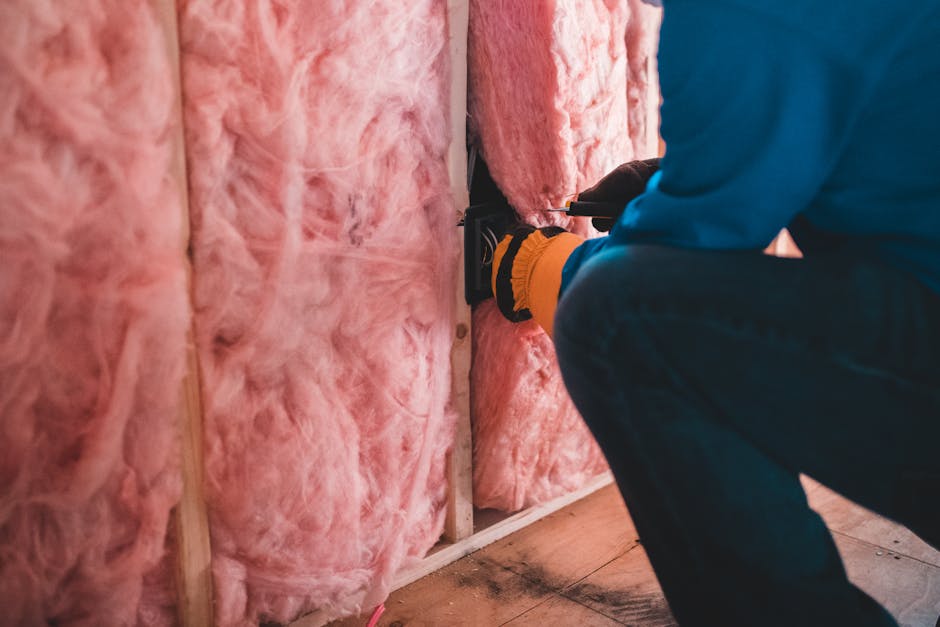
Fiberglass
- Pros: Very affordable, widely available, and DIY-friendly. It’s naturally fire-resistant.
- Cons: It doesn’t stop air flow. It can be itchy to install and loses effectiveness if it gets wet or compressed.
Cellulose
- Pros: Made from about 85% recycled paper (newsprint). It’s treated with borates for fire and pest resistance. It’s better at stopping air than fiberglass.
- Cons: It can be dusty. It can settle by up to 20% over time, which might leave gaps at the top of your walls.
Spray Foam (Open-Cell vs. Closed-Cell)
- Pros: Acts as both insulation and an air seal. It can expand up to 100 times its original size to fill every nook and cranny.
- Cons: It is more expensive and usually requires professional installation.
- Open-cell is flexible and great for walls.
- Closed-cell is rigid, acts as a vapor barrier, and has a much higher R-value per inch.
Mineral Wool
- Pros: Excellent fire resistance and soundproofing. It doesn’t lose R-value when wet.
- Cons: More expensive than fiberglass and can be harder to find.
DIY-Friendly Insulation Improvements
You don’t need a contractor’s license to start saving money. Some of the best ways to insulate your home take less than an afternoon.
- Draft Stoppers: These are simple fabric tubes filled with sand or beans that you slide under drafty doors.
- Window Film: During winter, applying a clear plastic film over your windows can act like a temporary “third pane” of glass, reducing drafts.
- Door Sweeps: These attach to the bottom of exterior doors to block that cold air “whistle.”
- Weatherstripping: Replacing old, cracked seals around your front door can make a world of difference.
For more easy DIY tips, check out the ENERGY STAR DIY sealing guide or read our guide on how to Save Energy with Insulated Window Treatments.
Professional Upgrades and Performance Methods
While DIY is great for the “quick wins,” some jobs are best left to the pros. Professional upgrades often offer the highest long-term energy savings.
- Dense-Pack Cellulose: Professionals use high-pressure blowers to pack cellulose into walls so tightly that it won’t settle and provides a decent air seal.
- Injection Foam: This is a shaving-cream-like substance injected into closed wall cavities. It’s a game-changer for older homes with no insulation.
- Blown-in Fiberglass: A pro can fill an entire attic in a couple of hours, ensuring even coverage that is hard to achieve with hand-laid batts.
If you’re building a new home, ask your contractor about the “performance method” for building codes. This allows you to use materials like spray foam to meet energy requirements through overall home performance rather than just hitting a specific R-value number. For a deeper dive, see The Ultimate Guide to Insulating Your Home.
Frequently Asked Questions about Home Insulation
How much can I save on my energy bills with proper insulation?
On average, you can save about 11% on total energy costs or up to 15% on heating and cooling specifically. In older, uninsulated homes, these savings can be even higher—sometimes reaching 30% or more.
What is the difference between open-cell and closed-cell spray foam?
Open-cell foam is softer and more flexible, making it great for soundproofing and interior walls. Closed-cell foam is much denser and more rigid; it provides a higher R-value (about R-6.5 per inch) and acts as a water-resistant barrier, making it ideal for basements, crawl spaces, and exterior applications.
How do I know if my home needs more insulation?
A few “red flags” include:
- High energy bills that keep rising.
- Uneven temperatures between rooms.
- Drafts coming from outlets or baseboards.
- Ice dams on your roof during winter.
- Visible floor joists in your attic.
Conclusion
At Financefyx, we believe that your home should be your sanctuary, not a drain on your bank account. Investing in the best ways to insulate your home is one of the few home improvements that literally pays for itself. Depending on your climate and the project, the payback period for attic insulation can be as short as a few years.
Beyond the financial savings, you’re also reducing your environmental impact by using less energy and creating a much more comfortable living environment for your family. No more wearing three sweaters just to watch TV!
If you’re not sure where to start, we highly recommend scheduling a professional energy audit. A technician can use thermal imaging to show you exactly where your heat is escaping.
Ready to take the next step? Explore more energy saving tips on our blog and start turning your home into an efficiency powerhouse today!
