
Stop Pouring Money Down the Drain with These Cost Reduction Hacks
Your Water Heater Is Quietly Draining Your Wallet
How to reduce water heating costs is simpler than most homeowners think — and the savings can be significant.
Here are the most effective ways to cut your water heating bill:
- Lower your water heater thermostat to 120°F — saves 4%–22% annually
- Install low-flow showerheads and faucet aerators — reduces hot water use by up to 60%
- Fix leaky faucets — a single drip per second wastes 1,661 gallons per year
- Insulate your water heater tank and pipes — pays for itself in under a year
- Run full loads in your dishwasher and washing machine — cuts unnecessary hot water cycles
- Upgrade to an efficient water heater (tankless or heat pump) — uses 8%–34% less energy
- Wash laundry in cold water — 90% of a washing machine’s energy goes to heating water
Water heating is the second largest energy expense in most homes. It accounts for roughly 18% of your total utility bill — that’s money leaving your home every single month, often without you noticing.
Think about this: a family of four, each taking just a five-minute shower daily, uses around 700 gallons of hot water every week. That adds up fast — especially in winter when cold incoming water forces your heater to work even harder.
The good news? Most of the fixes are cheap, quick, and easy to do yourself.

How to Reduce Water Heating Costs Through Smart Upgrades
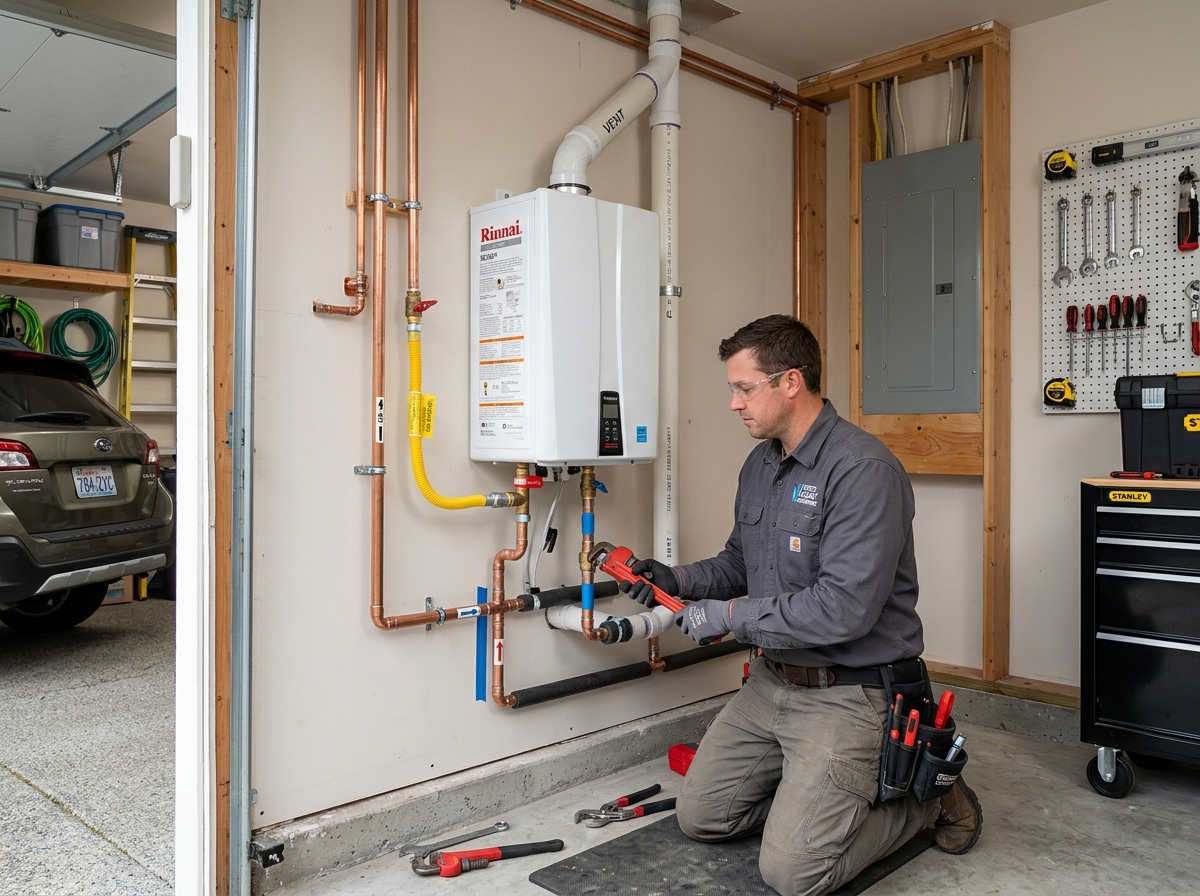
When we look at our monthly expenses, we often focus on the big-ticket items like mortgages or car payments. However, the hardware tucked away in your garage or basement is a silent partner in your spending. If your water heater is more than seven to ten years old, it might be time to stop patching it up and start looking at modern replacements.
Choosing the Right Energy-Efficient Model
The market has changed significantly over the last decade. While the traditional storage tank is still common, several high-efficiency alternatives can drastically change how to reduce water heating costs in the long run.
- Tankless (Demand-Type) Heaters: These units heat water only when you turn on the tap. Because they don’t keep 50 gallons of water hot 24/7, they avoid “standby heat loss.” According to the Department of Energy, tankless heaters can be 8% to 34% more energy-efficient than traditional tanks.
- Heat Pump Water Heaters: These are incredibly clever. Instead of generating heat directly, they move heat from the surrounding air into the water. They can be two to three times more efficient than standard electric resistance heaters.
- Solar Water Heating: If you live in a sunny climate, solar is a powerhouse. By utilizing the sun’s energy, you can reduce your water heating costs by up to 50%. We have explored various solar water heating systems that can provide massive ROI for homeowners willing to make the initial investment.
- Drain Water Heat Recovery: This is a specialized system that captures the heat from the warm water going down your drain (like from your shower) and uses it to pre-heat the cold water coming into your water heater. It can recapture up to 90% of the energy that would otherwise be wasted.
Look for the ENERGY STAR Label
When shopping for any new appliance, especially dishwashers and clothes washers, always look for the ENERGY STAR certification. These appliances are designed to use less water and energy. For example, an ENERGY STAR dishwasher uses about 31% less energy and 33% less water than standard models. Many of these units even include “booster heaters” that raise the water temperature locally, allowing you to keep your main water heater at a lower, more efficient setting.
Lowering the Thermostat to Reduce Water Heating Costs
One of the most immediate “hacks” we recommend is checking your thermostat. Many manufacturers ship water heaters with a default setting of 140°F. For most households, this is overkill.
By lowering your thermostat to 120°F, you achieve three things:
- Energy Savings: For every 10-degree reduction, you can save up to 5% on your water heating costs.
- Safety: 140°F water can cause third-degree burns in seconds. 120°F is much safer, especially if you have children or elderly family members.
- Longevity: Lower temperatures slow down mineral buildup and corrosion inside your tank.
If you’re worried about bacteria like Legionella, 120°F is considered safe for the vast majority of healthy households. However, if someone in your home is immunocompromised, consult a professional before lowering the temperature. You can find a detailed guide on this adjustment through the Department of Energy’s DIY savings project.
Adopting Daily Habits to Reduce Water Heating Costs
Upgrades are great, but our daily behavior is where the “death by a thousand cuts” happens to our bank accounts. We don’t need to live like monks to save money; we just need to be smarter about our routines.
- The Laundry Revolution: About 90% of the energy used by a washing machine goes solely to heating the water. Modern detergents are designed to work perfectly in cold water. Switching to cold cycles for everything but the grimiest loads can save you a fortune.
- The Full Load Rule: Only run your dishwasher and washing machine when they are completely full. A half-load uses nearly the same amount of hot water as a full one.
- Shower vs. Bath: A full bathtub can use up to 70 gallons of water. A five-minute shower with a low-flow head uses about 10 to 15 gallons. If you have teenagers who enjoy “concert-length” showers, consider using a timer to keep them on track.
According to the Department of Energy, reducing hot water use is the simplest way to see an immediate drop in your utility bill.
Low-Cost Fixes and Fixture Enhancements
You don’t need a massive renovation budget to make a dent in your bills. Some of the most effective tools cost less than a pizza delivery.
Low-Flow Fixtures
If your showerhead was manufactured before 1992, it might be pumping out 5.5 gallons per minute (GPM). Modern standards limit this to 2.5 GPM, and many “high-efficiency” models go down to 1.5 GPM.
- The Bucket Test: Not sure if you need an upgrade? Place a one-gallon bucket under your showerhead. If it fills up in less than 20 seconds, you’re wasting money.
- Aerators: These little mesh screens screw onto your faucets. They mix air into the water stream, maintaining pressure while using significantly less water. Look for aerators with a flow rate of 1.0 GPM or less for maximum efficiency.
Insulation: The Cozy Blanket for Your Heater
If your water heater tank is warm to the touch, it’s losing heat to the surrounding air. An insulation jacket (look for an R-value of at least R-8) can reduce standby heat loss by 25% to 45%. This project usually pays for itself in less than a year.
Don’t forget the pipes! Insulating the first six feet of hot and cold water pipes connected to the heater can raise the water temperature at the tap by 2°F to 4°F. This allows you to lower the thermostat even further without noticing a difference in your shower.
Heat Traps and Pool Solutions
Older water heaters often lose heat through “convection,” where hot water rises into the pipes even when the tap isn’t on. Installing heat traps can save you $15 to $30 annually. And if you’re looking to save on outdoor water costs, you can even build your own pool solar heater to keep your swimming sessions warm without the massive gas bill.
Essential Maintenance for Peak Efficiency
A little TLC goes a long way. Most homeowners ignore their water heater until it floods the basement, but a few minutes of maintenance can extend its life and keep it running at peak efficiency.
Flush the Sediment
Over time, minerals and “scale” settle at the bottom of your tank. This creates a layer of insulation between the burner (or element) and the water. Essentially, your heater has to heat the gunk before it can heat the water.
- The Fix: Drain about a quart of water from the valve at the bottom of the tank every three months. If the water looks cloudy or has “flakes,” keep draining until it runs clear. An annual full flush is even better.
Check the Anode Rod
Think of the anode rod as a “sacrificial lamb.” It’s a metal rod that hangs inside your tank and attracts corrosive elements so they eat the rod instead of the tank walls. Check it every three years; if it’s rusted through, replace it for about $50 to save yourself from a $1,000 tank replacement.
Stop the Drip
We’ve all ignored a dripping faucet, thinking it’s just a nuisance. But the math is staggering. A leak of just one drip per second wastes 1,661 gallons of water per year. If that’s hot water, you’re paying to heat water that literally goes straight down the drain. Replacing a $0.50 washer can save you up to $35 a year in energy and water costs.
Annual Maintenance Checklist:
- [ ] Flush sediment from the tank.
- [ ] Check the Temperature and Pressure (T&P) relief valve.
- [ ] Inspect pipes for leaks or corrosion.
- [ ] Check the anode rod (every 2-3 years).
- [ ] Ensure the thermostat is still set to 120°F.
Frequently Asked Questions
What is the ideal temperature for a water heater?
For most households, 120°F (49°C) is the “sweet spot.” It is hot enough for comfortable showers and effective dishwashing (especially if your dishwasher has a booster heater) but low enough to prevent scalding and minimize energy waste.
How much can I save by insulating my water heater?
Insulating an older tank with an R-8 jacket can reduce standby heat losses by 25%–45% and save you roughly 4%–9% in water heating costs. Considering the low cost of the jacket, the investment usually pays for itself in about 6 to 12 months.
Is a tankless water heater worth the investment?
It depends on your usage. While the upfront cost is higher than a tank heater, tankless units last 20+ years (double a standard tank) and can save $70–$80 per year in energy. They are excellent for large families who frequently run out of hot water, as they provide an endless supply on demand.
Conclusion
Reducing your water heating costs doesn’t require a lifestyle overhaul. By making a few smart upgrades, adjusting your thermostat, and staying on top of basic maintenance, you can keep your hard-earned money in your pocket rather than letting it wash away.
Whether you’re looking for low-cost DIY fixes like pipe insulation or considering long-term investments like solar or tankless systems, every step toward efficiency counts. At Financefyx, we are committed to helping you navigate these financial decisions to improve your home’s value and your monthly cash flow.
Ready to take control of your home’s expenses? Start saving today with Financefyx and explore more ways to optimize your household budget.
