
The Hole Truth About Air Sealing and Energy Audits
Introduction
Your Home Is Leaking Money — Here’s What to Do About It
An air sealing energy audit is a professional assessment that finds where your home leaks conditioned air — and tells you exactly what to seal to cut energy bills and stop cold drafts.
Quick answer: What does an air sealing energy audit involve?
- Blower door test — A fan is mounted in a doorway to depressurize your home and reveal hidden air leaks
- Infrared/thermal imaging — A camera shows exactly where heat is escaping through walls, ceilings, and floors
- Visual inspection — An auditor checks common leak spots like attic hatches, recessed lights, and rim joists
- Combustion safety check — Ensures sealing won’t create backdrafting risks from gas appliances
- Sealing recommendations — A prioritized plan for caulk, spray foam, and weatherstripping fixes
Imagine leaving a window wide open every single day of the year — all winter, all summer. That’s essentially what’s happening in most homes right now. Small gaps around outlets, plumbing pipes, and attic hatches add up fast. In fact, those tiny leaks can account for up to 25% of your home’s total heat loss.
The frustrating part? Most homeowners spend money on new insulation first — without realizing that air is still flowing right through it. Insulation slows heat transfer, but it doesn’t stop air movement. Think of it this way: a thick sweater keeps you warm on a calm day, but the moment wind picks up, you need a windbreaker too. Air sealing is that windbreaker.
That’s exactly why an energy audit comes before any insulation work. Without one, you’re guessing — and guessing gets expensive.

Why an Air Sealing Energy Audit is Your First Step
When we think about home improvements, we often jump straight to the “big” stuff—new windows or piles of pink fiberglass insulation. But building science tells us a different story. To truly fix a home’s efficiency, we have to address the “pressure boundary” and the “thermal boundary” simultaneously. If these two aren’t touching and sealed, your home remains uncomfortable.
An air sealing energy audit is the only way to scientifically locate the “thermal bypasses” in your home. These are the hidden pathways where air travels from your living space into the attic or crawlspace. Think of your home as a cardboard box. If the box has holes in the bottom and top, heat will naturally rise and escape through the top, pulling cold air in through the bottom. This is known as the “stack effect.”
By using a-comprehensive-home-energy-audit-checklist, a professional can identify exactly where these holes are. Research shows that air sealing can often achieve home energy savings of 10% to 20%, and even more in older, drafty homes. According to the Air Sealing Your Home | Department of Energy guide, reducing the amount of air that leaks in and out of your home is one of the most cost-effective ways to cut heating and cooling costs while improving durability.
The Diagnostic Power of a Professional Audit
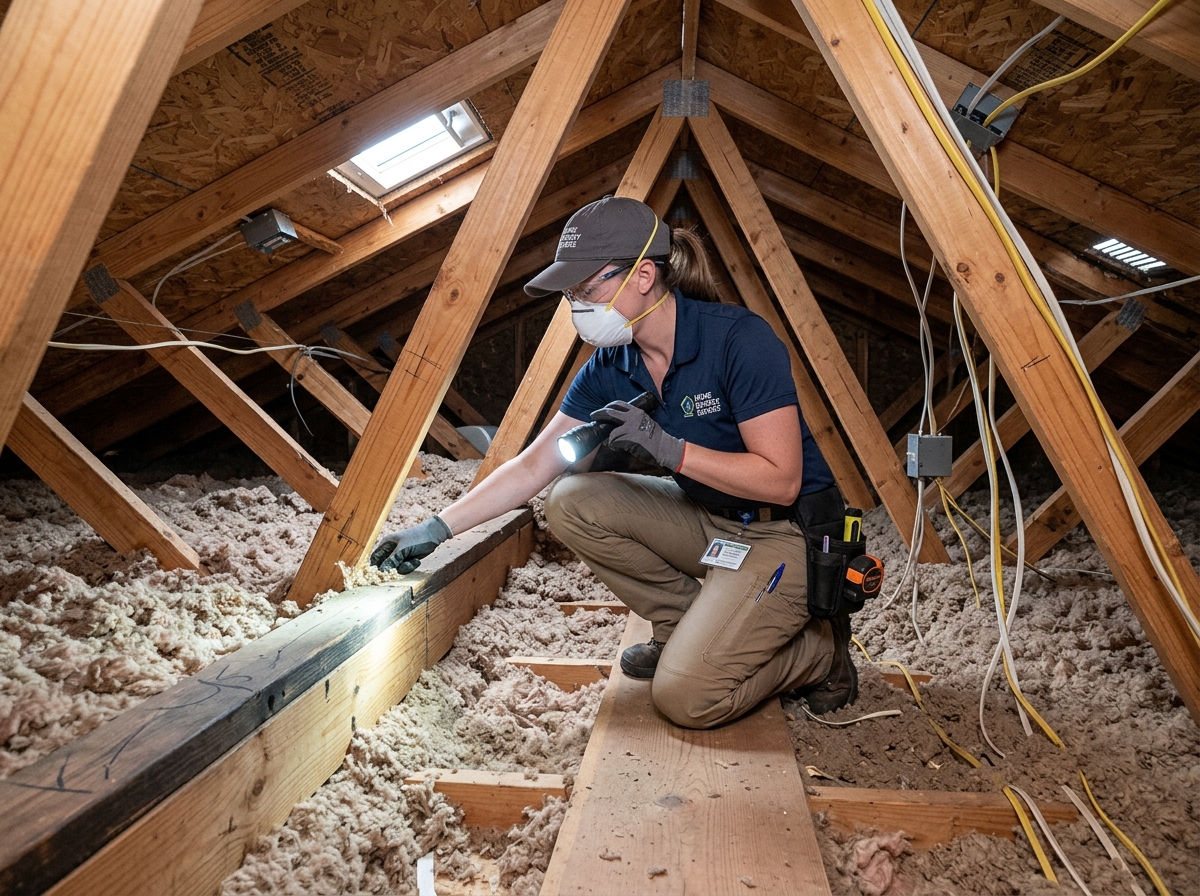
Why hire a pro when you can just buy a tube of caulk? Because most air leaks are invisible to the naked eye. We might feel a draft by a window, but we rarely notice the massive amount of air escaping through the “top plates” (the tops of your interior walls) in the attic.
Professional auditors use high-tech tools to make the invisible visible:
- Blower Door Fans: These depressurize the house, exaggerating every tiny leak so they can be felt and measured.
- Infrared Cameras: These thermal imaging tools show “cold spots” (in winter) or “hot spots” (in summer) where air is moving through walls. You can see examples of this in action on the YouTube Learning Channel.
- Combustion Safety Testing: This is the most critical part. If we seal a house too tightly without checking the water heater and furnace, we risk “backdrafting”—where carbon monoxide is pulled back into the living space instead of going up the chimney.
How a Blower Door Test Works in an Air Sealing Energy Audit
The blower door test is the “gold standard” of an air sealing energy audit. Here’s how the process usually goes:
- Setup: The auditor fits a temporary frame and a powerful fan into one of your exterior doorways.
- Depressurization: The fan pulls air out of the house, lowering the inside air pressure. This forces outside air to rush in through every crack and gap.
- Measurement: The auditor measures the “Air Changes per Hour” (ACH). This tells us how many times the entire volume of air in your house is replaced by outside air.
- Leak Hunting: While the fan is running, the auditor (and often the homeowner) walks through the house with a smoke pencil or infrared camera to pinpoint leaks.
If you want to see how to get your home ready for this process, check out this video on Prepping for a Home Energy Assessment.
Identifying and Sealing Common Leak Locations
Where is all that air going? It’s rarely just the windows. In fact, floors, walls, and ceilings account for about 31% of total air leaks. Here are the “usual suspects” we find during an audit:
- Attic Top Plates: These are the wooden boards at the top of your walls. Electricians often drill holes through them for wires, leaving a direct “chimney” for air to escape.
- Recessed Lights: Standard “can” lights often have vents that act like open straws into your attic.
- Rim Joists: In the basement or crawlspace, the area where the house frame meets the foundation is notorious for leaks.
- Plumbing Penetrations: Large gaps under sinks and behind tubs where pipes enter walls.
Learning how-to-seal-air-leaks-to-save-energy involves using the right material for the right job.
| Material | Best Use Case | Movement |
|---|---|---|
| Caulk | Small gaps (<1/4 inch) around window frames and baseboards. | Immobile parts only |
| Spray Foam | Larger gaps (1/4 inch to 3 inches) in attics and rim joists. | Expands to fill voids |
| Weatherstripping | Around the perimeter of doors and operable windows. | Moving parts |
| Mastic/Foil Tape | Sealing joints in HVAC ductwork. | Permanent seal |
DIY Detection vs. Professional Air Sealing Energy Audit
While we always recommend a professional air sealing energy audit for a holistic view, you can start hunting for leaks yourself.
- The Flashlight Test: At night, have someone shine a bright light from the outside against window and door frames. If you see light inside, you’ve found a leak.
- The Incense/Smoke Test: On a windy day, light an incense stick and hold it near outlets, baseboards, and windows. If the smoke wafts horizontally, you’ve found a draft.
- Visual Inspection: Look for “dirty” insulation in your attic. Insulation acts like a filter; if it’s gray or black in one spot, it means air is being pulled through it, leaving dust behind.
For a more detailed breakdown of DIY methods, the Detecting and sealing air leaks in a home guide offers great technical tips.
Safety, Ventilation, and Long-Term Benefits
There is an old saying in the energy world: “Build tight, ventilate right.” If we seal every single crack in a home, we might trap moisture, odors, and pollutants inside. This is why a professional audit is so important—it ensures you don’t cross the line into “too tight” without a plan for fresh air.
Modern homes often use HRV (Heat Recovery Ventilator) or ERV (Energy Recovery Ventilator) systems. These machines bring in fresh outdoor air but use the temperature of the outgoing indoor air to “pre-condition” it, so you don’t lose your expensive heat or AC in the process.
The benefits of proper air sealing go far beyond the utility bill:
- Moisture Control: Warm air leaking into a cold attic is the #1 cause of condensation, which leads to mold and rot.
- Ice Dam Prevention: In winter, air leaks heat up the roof, melting snow that then refreezes at the gutters. Understanding What Causes Ice Dams? is the first step to protecting your roof.
- Indoor Air Quality: Sealing the “common wall” between your house and garage (which accounts for 13% of infiltration) prevents car exhaust and chemical fumes from entering your living space.
Frequently Asked Questions about Air Sealing
Should I air seal or insulate first?
Air seal first, every time. If you put insulation over air leaks, the air will just blow through the insulation, creating “convective loops” that strip away the R-value (insulating power). Plus, it’s much harder (and messier) to find and seal leaks once they are buried under two feet of blown-in cellulose!
How much can I save with air sealing?
On average, homeowners see a 15% reduction in heating and cooling costs. In older, leakier homes, that number can jump to 20% or more. Given that air sealing materials like caulk and weatherstripping are relatively cheap, the “payback period” is often less than a year.
Are there rebates for energy audits?
Yes! Many utility companies offer discounted or even free audits. Furthermore, federal tax credits and state-specific programs can cover a significant portion of the cost of both the audit and the subsequent sealing work. You can find examples of the paperwork required in this 2026 Print Application for Rebates.
Conclusion
At Financefyx, we believe that a comfortable home shouldn’t cost a fortune to maintain. The “hole truth” is that most houses are literally bleeding money through invisible cracks and gaps. By investing in an air sealing energy audit, you stop the guesswork and start making data-driven improvements to your home.
When hiring a contractor, always look for certifications from organizations like BPI (Building Performance Institute) or RESNET. These pros understand building science and will ensure your home is not only efficient but safe and well-ventilated.
Ready to take the next step? Browse our Energy Saving Tips for more ways to optimize your home and your wallet. Stop letting your hard-earned money blow out through the attic—seal the deal today!
