
The Ultimate Checklist for Keeping Drafts From Windows
That Chill Coming Through Your Windows Is Costing You Money
Draft proof windows are windows that have been sealed against unwanted air leaks — using weatherstripping, caulk, insulating film, or other barriers — to stop cold air from entering and warm air from escaping your home.
Here’s a quick summary of how to draft-proof your windows:
- Detect leaks — use a candle, your hand, or a flashlight to find where cold air enters
- Seal stationary gaps — apply silicone caulk around fixed window frames
- Weatherstrip moving parts — use foam tape, V-strip, or tubular gaskets on sashes and openers
- Add a secondary barrier — thermal curtains, draft stoppers, or window inserts add extra insulation
- Check ventilation — never seal off trickle vents or essential airflow points
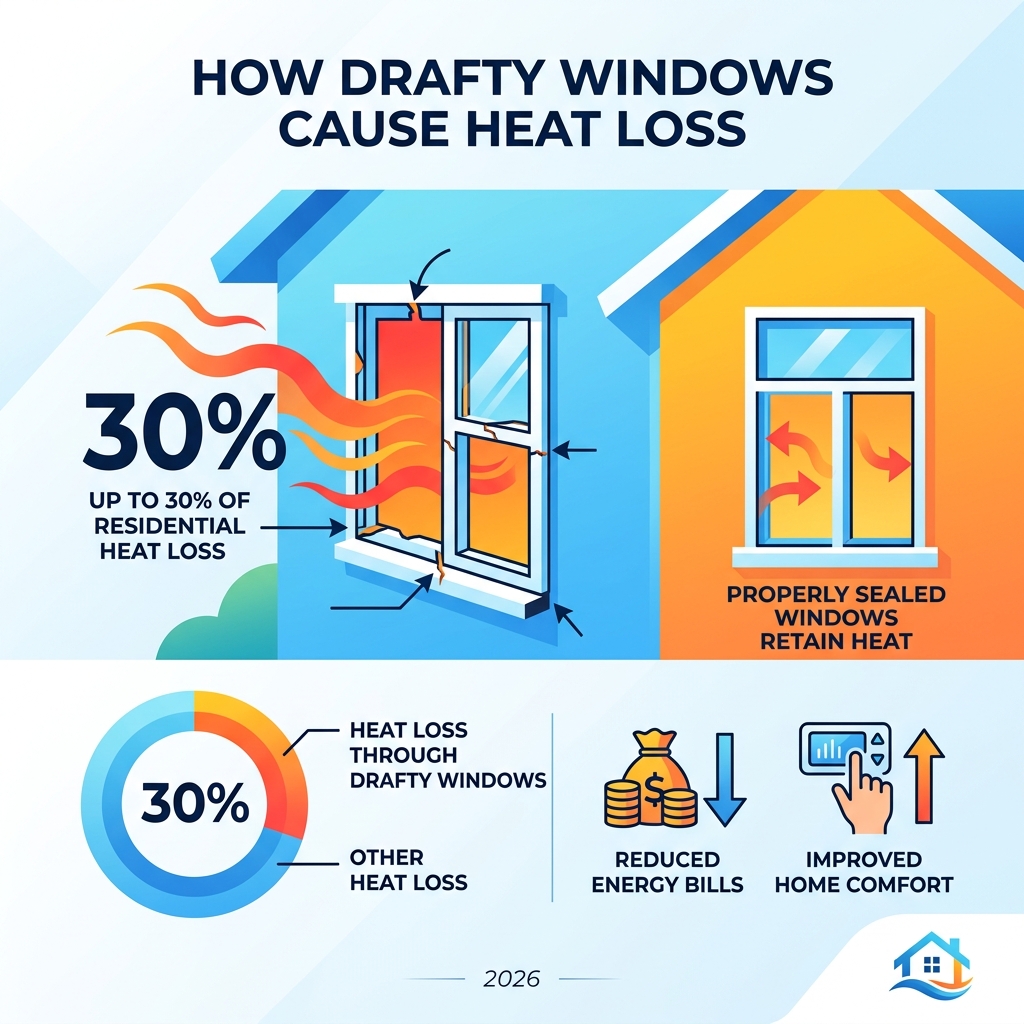
Cold air sneaking in through windows is one of the most common — and most expensive — problems in the average home. Studies show that drafty windows can account for up to 30% of a home’s heat loss. That means your heating system is working overtime just to compensate for gaps you may not even know are there.
The good news? Most draft problems are fixable without a major renovation. Simple, affordable materials from any hardware store can make a dramatic difference in your comfort and your energy bills. Sealing your windows properly can cut heating and cooling costs by 20–30% per year.
This guide walks you through everything — from finding hidden leaks to choosing the right materials and knowing when a DIY fix is enough (and when it isn’t).
Why Draft Proof Windows Are Essential for Your Home
When we talk about draft proof windows, we aren’t just talking about stopping a bit of wind. We are talking about the fundamental “health” of your home environment. If your windows are leaking air, your entire HVAC system is essentially running a race it can’t win.
HVAC Efficiency and Energy Savings
The most immediate benefit of sealing your windows is the impact on your wallet. Research suggests that draft-proofing your home can help you save more than 20% on your heating and cooling bills. In regions with harsh winters, this can translate to significant annual savings—often between £85 and £95 depending on your location. When your home is properly sealed, your furnace or air conditioner doesn’t have to cycle on and off constantly to maintain a steady temperature. This reduces wear and tear on your equipment, extending its lifespan and delaying expensive replacements.
Noise Reduction and Indoor Air Quality
Have you ever noticed that you can hear your neighbor’s dog or the local traffic as if they were in the room with you? Air leaks are also “sound leaks.” By creating draft proof windows, you are also creating a sound barrier. Furthermore, gaps that let in air also let in dust, pollen, and outdoor pollutants. Sealing these gaps improves your indoor air quality, which is a major win for anyone in the family who suffers from allergies.
Eliminating Cold Spots and Improving Comfort
We’ve all had that one chair in the living room that nobody wants to sit in during December. These “cold spots” are usually caused by a single drafty window. By implementing energy-saving methods for home insulation, you ensure that the temperature remains consistent from the center of the room all the way to the glass. You’ll also notice less condensation on the panes, which helps prevent the growth of mold and mildew on your window sills.
The Draft Detective: How to Identify Air Leaks
Before we can fix the problem, we have to find it. Think of yourself as a “Draft Detective”—you don’t need a deerstalker hat, but you do need a few simple tools to hunt down those sneaky air currents.

The Visual Inspection
Start with the basics. Look for visible gaps between the window frame and the wall. Check the condition of the existing caulk and weatherstripping. Is it cracked, brittle, or missing entirely? If you see light shining through the edges of your window at night (the “Flashlight Method”), you’ve found a major leak.
The Hand and Smoke Tests
On a windy day, simply run your hand along the edges of the window. Your skin is surprisingly sensitive to temperature changes; it effectively becomes a human draft detector. For a more visual approach, use the “Smoke Test.” Light an incense stick or a candle and hold it near the window frame. If the smoke or flame flickers or blows sideways, you’ve pinpointed an air leak.
High-Tech Detection
If you want to get more precise, an infrared thermometer can be incredibly revealing. This tool measures surface temperatures without contact. Leaky spots where cold air is infiltrating will show up as noticeably cooler areas—look for temperature differences of 5°C or more. For the ultimate detective work, consider a professional energy audit. These experts use specialized equipment like blower door tests to create a complete map of your home’s air leaks, as detailed in this Energy.gov guide on detecting air leaks.
Top DIY Methods for Creating Draft Proof Windows
Once you’ve identified the leaks, it’s time to seal them. The best method depends on whether the gap is on a part of the window that moves (the sash) or a part that stays still (the frame).
Choosing Your Materials
| Material Type | Best For | Durability |
|---|---|---|
| Foam Tape | Uneven gaps/rarely opened windows | 1-3 years |
| V-Strips | Sides of sliding or double-hung windows | 3-5 years |
| Tubular Gaskets | Large gaps at the base of the sash | 5+ years |
| Silicone Caulk | Stationary gaps between frame and wall | 10+ years |
Surface Preparation is Key
We cannot stress this enough: clean the surface first. Many DIY fixes fail because the adhesive was applied over dust or old, peeling paint. Use a damp cloth and a mild cleaner to remove grime, then let it dry completely. If you are re-caulking, use a putty knife to scrape away the old, brittle material before applying the new bead.
Sealing Stationary Gaps
For gaps where the window frame meets the siding or the interior drywall, caulk is your best friend. Use a paintable latex caulk for interior trim and a high-quality, waterproof silicone for the exterior. Learning how to seal air leaks to save energy is one of the most cost-effective skills a homeowner can have.
Effective Alternatives to Plastic Film for Draft Proof Windows
Many people hate the look of shrink-wrap plastic film. It’s crinkly, it blocks your view, and it’s a pain to install every year. Fortunately, there are several “non-plastic” alternatives that look great and work even better.
- Thermal Curtains: These are heavy, multi-layered drapes designed to trap air. They are excellent for night-time insulation. Check out this Energy.gov guide on heat retention window solutions for more on how window treatments work.
- Draft Stoppers: Also known as “door snakes,” these weighted fabric tubes sit on the window sill to block air from coming under the sash.
- Window Inserts: These are custom-made frames (often acrylic) that snap into the interior of your existing window. They create a “dead air” space that provides insulation similar to triple-pane glass without the cost of replacement.
- Cellular Shades: Also known as honeycomb shades, these trap air in individual “cells” and are highly effective at saving energy with insulated window treatments.
Step-by-Step Installation of Weatherstripping and Seals
- Measure Twice: Measure the top, bottom, and sides of the window sash.
- Cut to Size: Use sharp scissors or a utility knife to cut your weatherstripping.
- Apply Pressure: Peel the adhesive backing and press the strip firmly into the “stop” or the “channel” of the window.
- Test the Operation: Open and close the window to ensure the seal is tight but doesn’t prevent the window from latching. If the window won’t lock, your weatherstripping might be too thick.
Balancing Seal Integrity with Proper Home Ventilation
While we want to stop drafts, we don’t want to turn our homes into airtight plastic bags. A home needs to “breathe” to remain healthy. If you over-seal your house, you might run into issues with moisture buildup, which leads to mold and dampness.
The Importance of Controlled Ventilation
There is a big difference between a “draft” (uncontrolled air) and “ventilation” (controlled air). According to research on draught exclusion technical performance, maintaining a balance is vital for indoor air quality.
- Trickle Vents: If your windows have small plastic vents at the top, do not seal them. These are designed to allow a tiny amount of fresh air to circulate, preventing condensation.
- Gas Appliance Safety: If you have a gas fireplace or stove, they require a certain amount of oxygen from the outside to burn safely. Never block air bricks or wall vents in rooms with flueless gas appliances.
- Condensation Management: If you notice your windows are constantly fogging up on the inside after you’ve draft-proofed them, it’s a sign you need more ventilation. Open a window for ten minutes a day to exchange the air.
When to Choose Professional Upgrades Over DIY Fixes
Sometimes, a tube of caulk just isn’t enough. If your windows are structurally rotting, or if the “seal” between double-pane glass has failed (indicated by permanent fogging between the panes), it’s time to consider a more permanent solution.
Professional Energy Audits
If you aren’t sure where to start, a professional energy audit is a great investment. Using thermal imaging cameras, an auditor can show you exactly where heat is escaping. This is often the first step in the ultimate guide to insulating your home.
Modern Window Technology
New draft proof windows use technologies that DIY fixes can’t replicate:
- Low-E Glass: A microscopic coating that reflects heat back into the room.
- Argon Gas Fills: An insulating gas sandwiched between panes that slows down heat transfer.
- Multi-Point Locking: Modern casement windows often have locks that pull the window sash tight against a rubber gasket at multiple points, creating a virtually airtight seal.
- uPVC Frames: Unlike wood, which warps and creates new gaps over time, uPVC remains stable and keeps its shape for decades.
Frequently Asked Questions about Window Drafts
How much money can I save by draft-proofing my windows?
On average, homeowners see a 20% reduction in their heating and cooling costs. If you currently have very old, single-pane windows, your savings could be as high as 30%. In the UK, this typically saves between £85 and £100 per year, meaning most DIY materials pay for themselves in just one season.
What is the best way to stop drafts without using plastic film?
The most effective permanent DIY solution is a combination of high-quality silicone caulk for the frame and V-strip or compression weatherstripping for the moving parts. For an added layer of protection, thermal curtains or custom window inserts provide excellent insulation without affecting the aesthetics of your home.
Can over-sealing my windows cause mold or moisture issues?
Yes. If you block all air exchange, humidity from cooking, showering, and breathing stays trapped inside. This moisture condenses on cold surfaces (like windows) and can lead to mold. Always ensure you aren’t blocking intentional ventilation points like trickle vents or extractor fans.
Conclusion
Creating draft proof windows is one of the smartest moves you can make as a homeowner. It’s a rare “win-win-win” situation: you save money, you increase your daily comfort, and you reduce your environmental footprint. Whether you start with a simple £5 roll of foam tape or decide to invest in professional window inserts, every gap you close brings you one step closer to a cozier home.
Ready to take the next step in making your house more efficient? Check out our Ultimate Guide to Insulating Your Home for a complete walkthrough of every area from the attic to the basement.
Your Final Draft-Proofing Checklist:
- [ ] Conduct a “Smoke Test” on every window in the house.
- [ ] Scrape away and replace old, cracked caulk.
- [ ] Install weatherstripping on all operable sashes.
- [ ] Hang thermal curtains in bedrooms for better sleep and warmth.
- [ ] Ensure trickle vents remain clear to prevent mold.
- [ ] Read more about insulating your home for energy efficiency to maximize your savings.
