
Mastering Moisture with Kingspan Rainscreen Cladding
Understanding Kingspan Rainscreen Cladding Systems
When we talk about Kingspan rainscreen cladding, we are referring to a sophisticated “outer skin” for buildings. Unlike traditional render or brickwork that sits tight against the structure, a rainscreen system is designed to breathe. It consists of an outer weather-resistant decorative panel, a ventilated cavity, and an inner layer of high-performance insulation.
The magic happens in that cavity. By using the principle of pressure equalization, the system allows air to circulate. This movement of air creates a “chimney effect” that removes moisture and prevents water from being driven into the building structure by wind. It is one of the most effective ways to manage the building envelope in modern architecture.
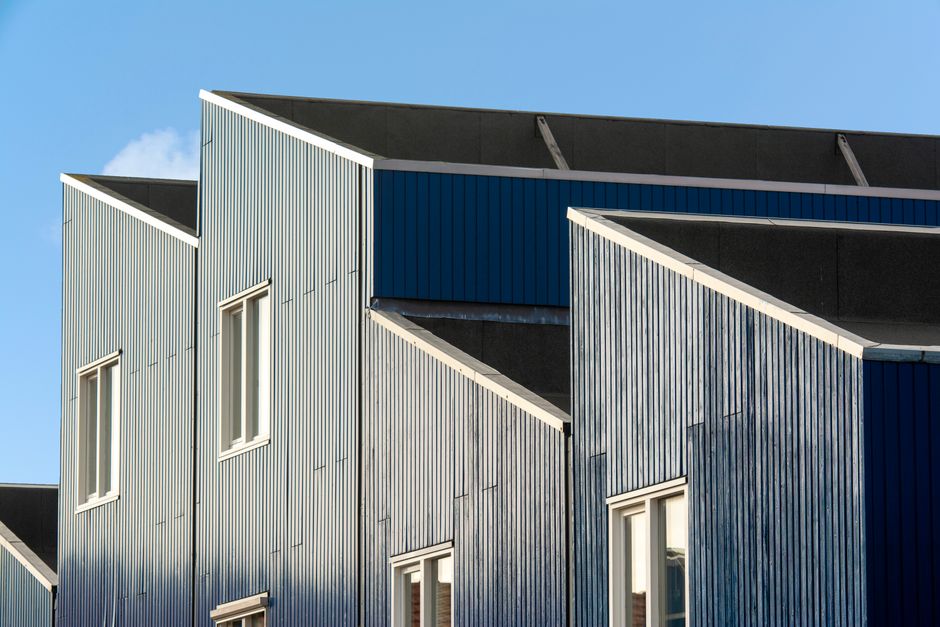
Kingspan offers several distinct systems to meet different aesthetic and functional needs. To help you choose the right one for your project, we’ve broken down the main contenders:
| System Type | Primary Material | Key Feature | Best Application |
|---|---|---|---|
| Evolution Panelised Façade | Insulated Steel | Single-component, fast install | Minimalist, sleek commercial facades |
| Kooltherm K15 | Phenolic Foam | Market-leading thermal performance | Insulation layer behind various rainscreens |
| HK-Design | Aluminum / Corten | High-end cassette aesthetics | Architectural statements and custom patterns |
| Translucent Systems | Polycarbonate | Natural light & backlighting | Entryways, light boxes, and stairwells |
The Kingspan Evolution Panelised Façade is particularly popular because it acts as a single-component solution. Instead of building up multiple layers of rails, insulation, and then panels, the Evolution system provides a pre-insulated, aesthetically finished panel that installs in a fraction of the time.
The Role of Kingspan Rainscreen Cladding in Thermal Performance
One of the biggest reasons we recommend these systems is their incredible ability to trap heat. At the heart of many of these setups is the Kooltherm K15 Rainscreen Board. This isn’t your standard “polystyrene” or mineral wool. It is a premium performance, fibre-free rigid thermoset phenolic core.
Why does that matter? Because it achieves a thermal conductivity as low as 0.021 W/m·K. In plain English: it is one of the thinnest ways to achieve the highest possible R-value. When you are insulating your home for energy efficiency, every millimeter counts. Using K15 allows for thinner walls without sacrificing warmth, which can actually increase the usable floor space inside a building.
Furthermore, because the insulation is placed on the outside of the structural frame, it eliminates “thermal bridging.” This is where heat escapes through the studs or rafters of a building. By wrapping the entire structure in a continuous layer of kingspan rainscreen cladding insulation, we ensure that the building stays warm in the winter and cool in the summer.
Suitable Applications for Kingspan Rainscreen Cladding
Whether you are looking at a massive commercial warehouse or a residential renovation, these systems are remarkably versatile. We see them used most frequently in:
- External Walls: The primary use for both new builds and refurbishments to improve aesthetics and thermal performance.
- Roof Applications: Certain systems, like HK-Design, can be adapted for roofs, provided a primary weathering layer is used underneath.
- Soffit Returns: Using matching panels for the undersides of overhangs creates a seamless, professional look.
- Refurbishments: If you are looking to save energy with cost-effective home improvements, over-cladding an old, leaky building with a rainscreen system is one of the most impactful upgrades you can make.
Key Features and Material Specifications
The variety of materials available for kingspan rainscreen cladding means you don’t have to sacrifice style for substance. Depending on the specific product line, you can choose from several high-performance materials.
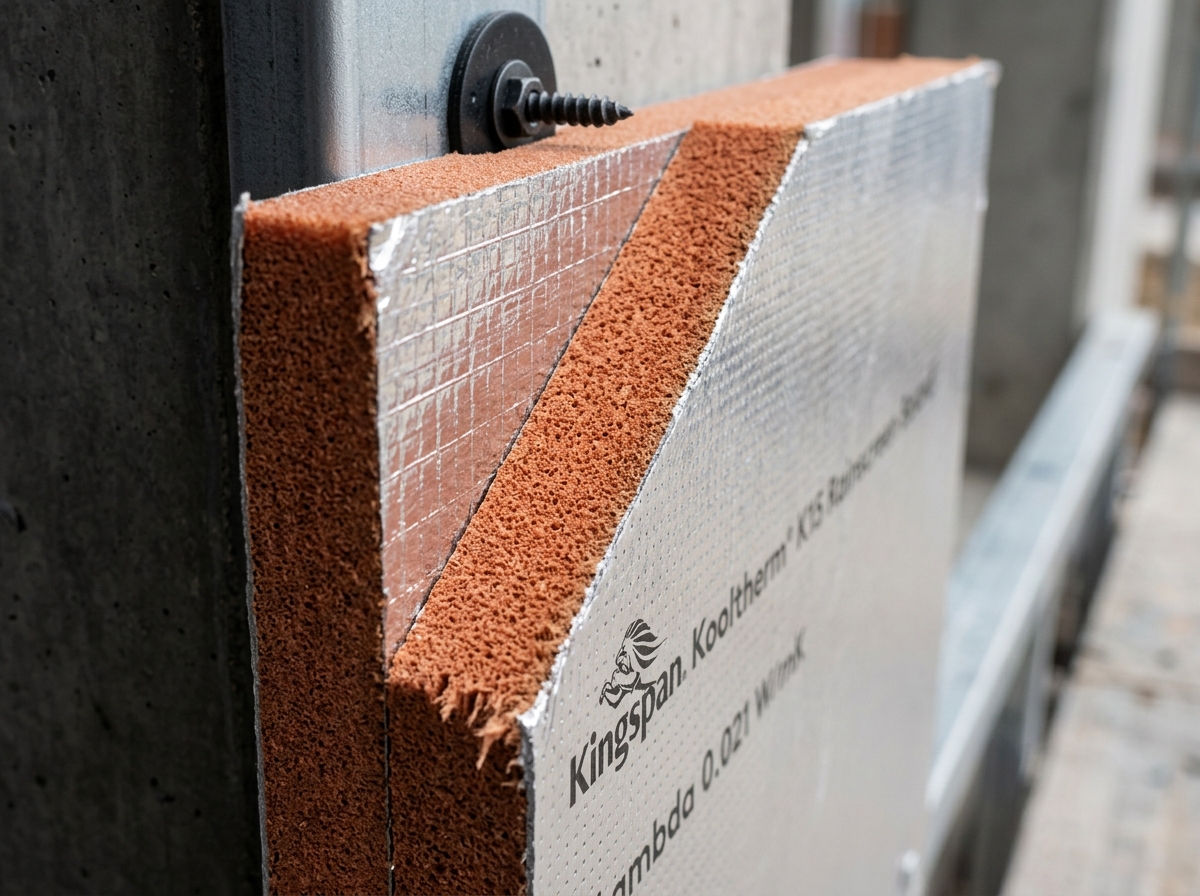
- Phenolic Foam (Kooltherm K15): The Kingspan Kooltherm K15 Rainscreen Board features low-emissivity composite foil facings that are autohesively bonded to the core. This makes it resistant to air infiltration and water vapor.
- Aluminum and Corten Steel: Used in the HK-Design cassettes, these materials offer durability and a range of finishes, from sleek powder-coated colors to the rustic, weathered look of Corten.
- Polycarbonate (Translucent Systems): For projects requiring natural light, Kingspan utilizes Nano-Cell technology. These panels feature cells smaller than 0.18 inches, providing superior impact resistance and glare-free light distribution.
- Double-Tooth Connections: In the translucent systems, a mechanically interlocking double-tooth connection strengthens the grip under deflection, allowing the panels to withstand extreme wind loads.
If you are diving deep into a renovation, checking out the ultimate guide to insulating your home can help you understand how these cladding materials fit into a larger energy-saving strategy.
Customization and Aesthetics of Kingspan Rainscreen Cladding
We love that kingspan rainscreen cladding doesn’t look “industrial” unless you want it to. The customization options are extensive:
- Profiles: The Evolution range comes in three distinct profiles: Axis (flat and minimalist), Multi-Groove (creates the illusion of multiple smaller panels), and Recess (adds depth and shadow lines).
- Dimensions: Panels can be manufactured in lengths up to 40ft (12.2m), allowing for floor-to-ceiling spans without horizontal joints. Standard cover widths are 900mm and 1000mm.
- Perforations and Light: The HK-Design cassettes can be perforated to create specific images or patterns across a facade. When combined with backlighting on translucent panels, you can turn a building into a glowing landmark at night.
- Colors: Beyond standard palettes, powder coating allows for almost any RAL color, ensuring the cladding matches your brand or personal style perfectly.
Performance, Safety, and Compliance Standards
Safety is where Kingspan really shines. When you are wrapping a building in a new skin, you need to know it will stay there—and keep you safe—no matter what the weather does.
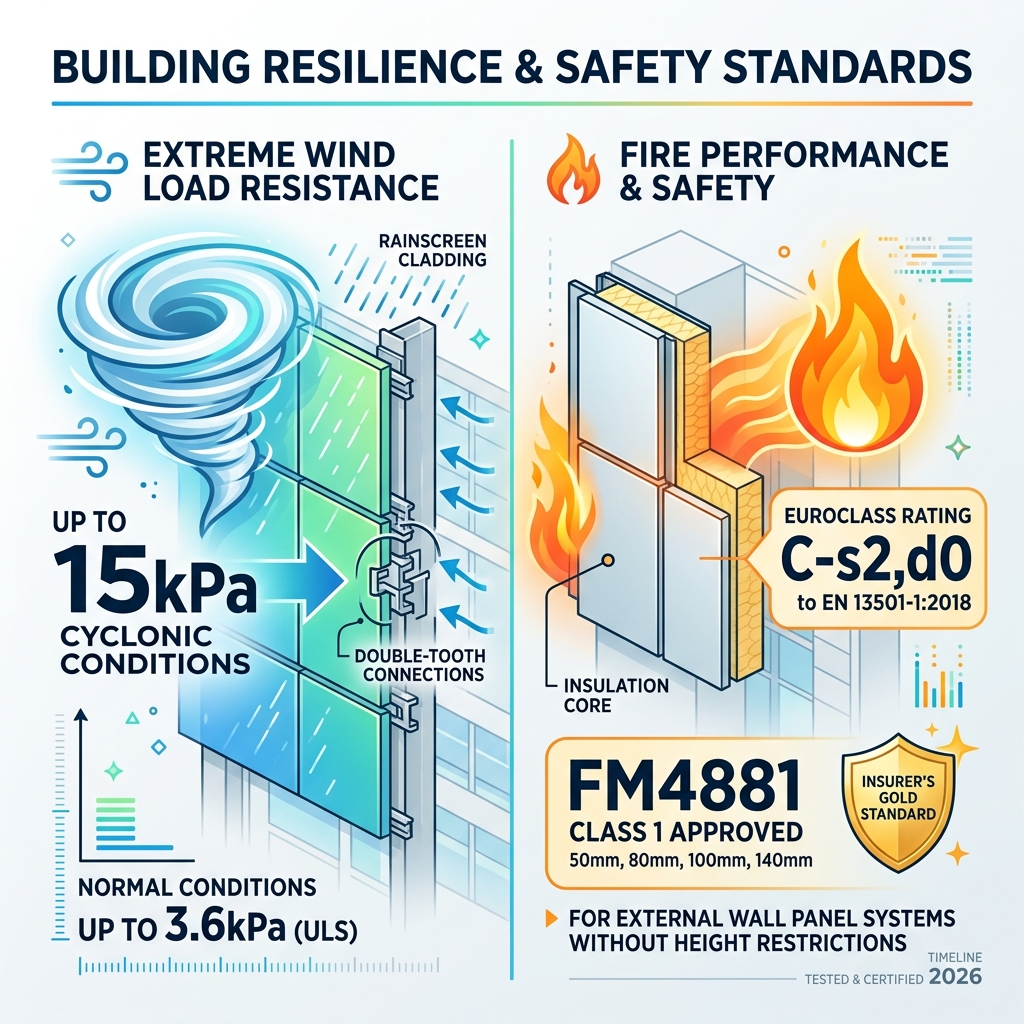
Fire Safety Fire performance is a top priority. The Kooltherm K15 boards and Evolution panels are rigorously tested. Many configurations achieve a Euroclass rating of C-s2,d0 to EN 13501-1:2018. Furthermore, specific thicknesses (50, 80, 100, and 140mm) hold FM4881 Class 1 approval for external wall panel systems without height restrictions, which is a gold standard for insurers.
Wind Resistance In regions prone to storms, wind load is a critical factor. Kingspan rainscreen cladding has been tested to withstand normal conditions up to 3.6kPa (ULS). For more extreme environments, it has been tested up to 15kPa for cyclonic conditions. This far exceeds the “Extra High” wind zone requirements of standards like New Zealand’s NZS3604.
Sustainability and Compliance We are all looking for eco-friendly home renovations to save energy, and Kingspan supports this with transparent data. Their products comply with:
- BS EN 15804 Sustainability Standards: Providing Environmental Product Declarations (EPD) that detail the carbon footprint and lifecycle impact.
- BBA Certification: Ensuring the products meet strict UK building standards.
- CodeMark and NZBC: Providing a clear pathway for compliance with the New Zealand Building Code (including clauses B1, B2, C3, E2, E3, F2, and H1).
Installation Excellence and Sustainability
One of the major benefits of kingspan rainscreen cladding is the speed of installation. Traditional cladding requires a complex build-up of timber or steel studs, multiple layers of insulation, building wrap, and finally the outer skin.
Kingspan systems, particularly the Karrier or Evolution series, simplify this. The “Karrier” panel acts as the primary weather seal and insulation in one go. Once these are fixed to the building frame, the outer decorative rainscreen is simply hooked or clipped onto the integrated rail system.
Horizontal vs. Vertical Laying Designers have the flexibility to install panels either horizontally or vertically. For vertical installations, it is crucial to ensure that the supporting mullions are correctly fixed through the panels into the structure to handle the load.
Durability and Maintenance These systems are built to last. Kingspan insulated panels have been in global use for over 50 years. They are resistant to air infiltration and water vapor, and the high-strength core (with a minimum compressive strength of 100 kPa) ensures the panels don’t deform over time.
From a sustainability perspective, while some products have 0% recycled content according to BS EN ISO 14021, their long-term energy-saving potential and durability often outweigh the initial manufacturing footprint. They help buildings achieve higher GreenTag ratings and better overall BREEAM or LEED scores.
Frequently Asked Questions about Kingspan Rainscreen
Can these systems be used for roofs and soffits?
Yes! The HK-Design and Evolution systems are suitable for soffit applications. However, we always remind our clients that for soffits, the supporting mullions must be fixed through the panel into the structure above because of the downward direction of the load. For roof applications, the rainscreen is not watertight on its own; you must have a primary weathering layer underneath. Regular maintenance is also required to keep joints free of debris in roof installations.
What are the maximum panel lengths and weights available?
Kingspan can produce panels up to 40ft (12.2m) long, which is incredible for creating seamless vertical lines. Despite their strength, they are surprisingly lightweight:
- 12mm thickness: 2.6 kg/m² (0.53 lb/ft²)
- 16mm thickness: 3.4 kg/m² (0.70 lb/ft²) This low weight reduces the structural load on the building and makes installation safer and faster for the crew.
How does the system handle extreme wind zones?
The system is a beast when it comes to wind. By using stainless steel clips, aluminum substructures, and (in some cases) U2 battens, the system can handle uniform loads of 100 psf and missile impacts (Level D) required for hurricane-prone zones. In New Zealand, it is fully approved for “Extra High” wind zones.
Conclusion
At Financefyx, we believe that smart building starts with a high-performance envelope. Choosing kingspan rainscreen cladding isn’t just about making a building look modern; it’s about investing in long-term reliability, fire safety, and world-class thermal efficiency.
By managing moisture effectively through a ventilated cavity and utilizing the industry-leading thermal properties of the Kooltherm K15 core, you can significantly reduce your energy consumption and protect your property from the elements. With local manufacturing support, comprehensive warranties, and a wealth of technical documents and BIM models available for architects, Kingspan makes the specification process as seamless as the facades they create.
Ready to take the next step in your building’s evolution? Explore Renewable Energy Solutions to see how high-performance cladding pairs with modern energy technology to create a truly sustainable home.
