
Easy Install Draft Strips That Actually Work
Stop Wasting Heat: What You Need to Know About Easy Install Draft Strips
Easy install draft strips are one of the fastest, most affordable ways to stop cold air from sneaking into your home through gaps around doors and windows.
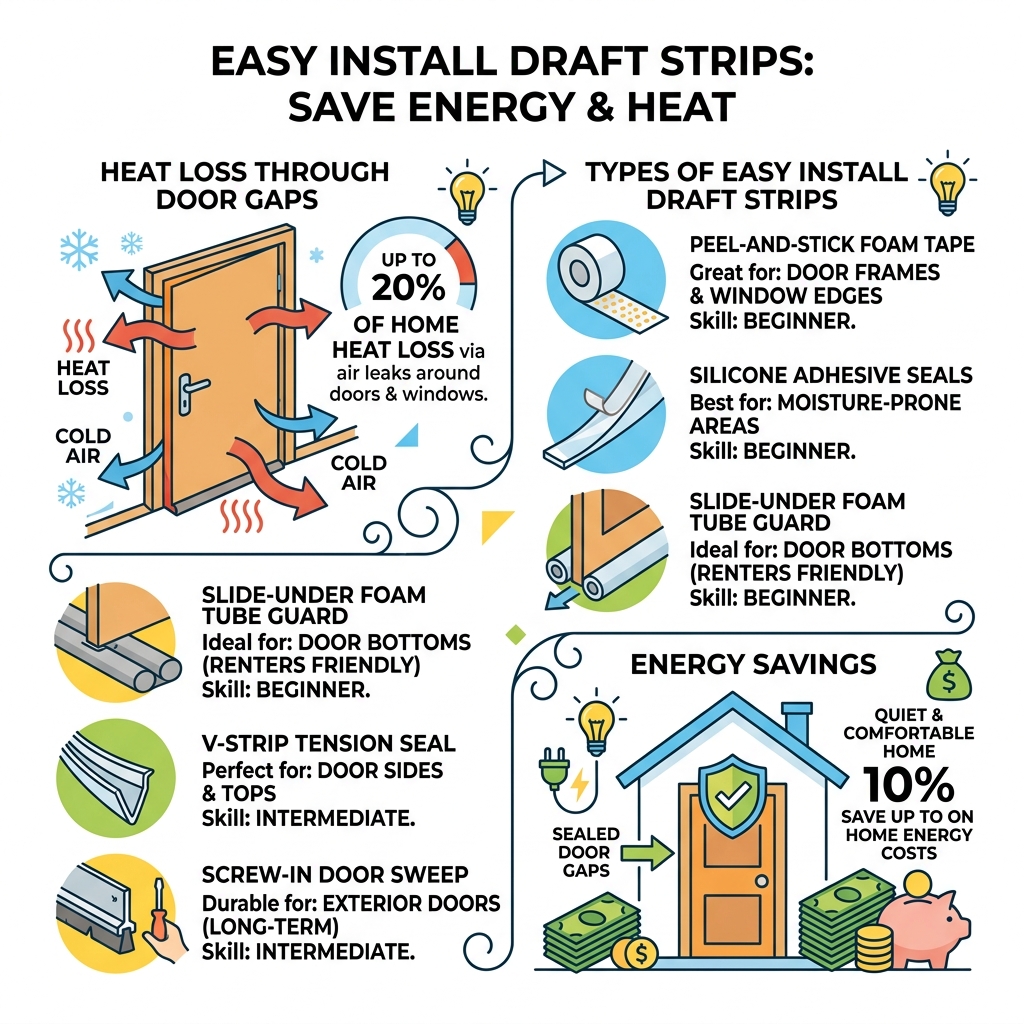
Quick answer – best easy install draft strips by type:
| Type | Best For | Skill Level |
|---|---|---|
| Peel-and-stick foam tape | Door frames, window edges | Beginner |
| Slide-under foam tube guards | Door bottoms, renters | Beginner |
| Silicone adhesive seals | Doors and windows, moisture-prone areas | Beginner |
| V-strip tension seals | Door sides and tops | Intermediate |
| Screw-in door sweeps | Exterior doors, long-term use | Intermediate |
Most options require zero tools and take under 30 minutes to install.
That gap under your front door might not look like much. But small cracks and openings around doors and windows can quietly drain your heating budget all winter long. In fact, sealing those gaps can cut home energy costs by up to 10%.
The good news? You don’t need a contractor or special skills to fix it. Modern draft strips are designed for exactly this kind of quick, no-fuss weatherproofing.
This guide covers which products actually work, how to install them correctly, and how to avoid the common mistakes that leave people still feeling a draft after they’ve already tried to fix it.
Why You Need Easy Install Draft Strips for Your Home
When we think about home insulation, we often picture thick pink fiberglass in the attic. However, some of the most significant energy loss happens right at eye level-or rather, at foot level. Air leaks around doors and windows can account for up to 20% of a home’s total heating and cooling loss. By using easy install draft strips, we can effectively plug these leaks without a major renovation. For a broader overview of how weatherstripping fits into home efficiency, the U.S. Department of Energy offers a helpful primer on air sealing your home.
Slashing Your Utility Bills
The most immediate benefit is financial. When your HVAC system has to work overtime to compensate for cold air seeping in (or conditioned air escaping), your bills skyrocket. Implementing Energy Saving Methods for Home Insulation starts with the “low-hanging fruit” of sealing gaps. Statistics show that homeowners can save up to 10% on energy costs just by filling small cracks and gaps. To see where else you might be losing money, check out A Comprehensive Home Energy Audit Checklist.
Beyond Temperature: Noise and Pests
Draft strips aren’t just for temperature control; they are multi-functional barriers.
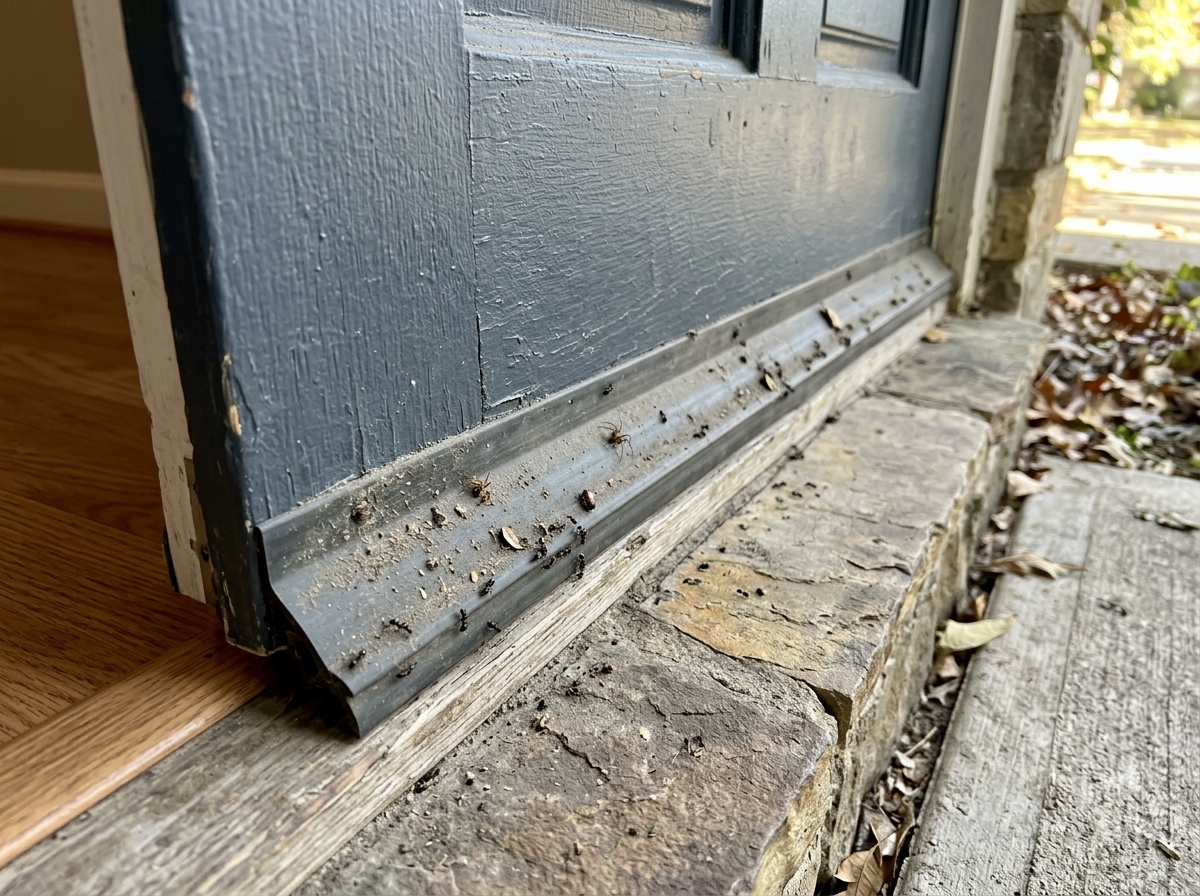
- Pest Exclusion: Spiders and insects don’t need a wide-open door to enter; a half-inch gap is like a highway. A snug seal keeps the “uninvited guests” outside.
- Noise Reduction: If you can hear the wind whistling or the neighbors talking, air is moving. Sealing those gaps provides a noticeable soundproofing effect.
- Light and Dust: For those of us with sensitive pets or allergies, draft blockers prevent light pollution from hallway lamps and stop outdoor dust and pollen from settling on our floors.
- Moisture Barrier: High-quality silicone seals can even act as a secondary barrier against driving rain or humidity.
Learning to Make Your Home Energy Efficient with These Tips is about creating a more comfortable, controlled environment for your family.
Top Types of Simple Weatherproofing Solutions
Choosing the right product depends on where the draft is coming from and what kind of floor you have. We’ve broken down the most popular easy install draft strips and blockers available today.
Silicone and TPE Adhesive Seals
Silicone seals are the “invisible” heroes of weatherstripping. Often made from TPE (Thermoplastic Elastomer), these strips are transparent or color-matched to your door. They are incredibly flexible and resist cracking or hardening even in extreme temperatures. They are perfect for the bottom of doors or even glass shower doors to prevent water leakage.
Foam Tape (The All-Rounder)
Foam tape is perhaps the most common DIY solution. It comes in rolls with an adhesive backing. It’s ideal for door frames and attic hatches. However, be aware that open-cell foam can absorb water, while closed-cell foam is better for moisture resistance.
Slide-Under Guards
These are the ultimate “no-tool” solution. Usually consisting of two foam tubes encased in a fabric sleeve, they slide right under the door. They move with the door, so you don’t have to reposition them every time you enter or leave. They are excellent for renters because they require no adhesive or screws.
Comparison Table: Finding Your Match
| Feature | Foam Tape | Silicone Strip | Slide-Under Guard | V-Strip |
|---|---|---|---|---|
| Durability | Low (1-2 years) | High (5+ years) | Medium | High |
| Gap Size | Small (1/8″) | Medium (up to 1″) | Large (up to 2″) | Small/Variable |
| Floor Type | N/A (Frame) | Hardwood/Tile | Hardwood/Tile | N/A (Frame) |
| Aesthetics | Visible | Discrete | Bulky | Hidden |
Specialized Options: V-Strips and Felt
For the sides and tops of doors, a V-strip (or tension seal) creates a “spring” effect that fills the gap as the door closes. Felt is a more traditional, budget-friendly option, though it tends to wear out faster than modern polymers. For a deeper dive into materials, The Ultimate Guide to Insulating Your Home offers extensive details on thermal resistance.
Step-by-Step Guide to Installing Your Draft Strips
The secret to a seal that “actually works” isn’t just the product—it’s the preparation. If you slap an adhesive strip onto a dusty door, it will peel off before the first snow falls.
Step 1: Find the Leaks
Don’t guess where the air is coming from. Use the “Dollar Bill Test.” Close your door on a dollar bill. If you can pull the bill out easily without resistance, you have a gap that needs sealing. You can also use a lit incense stick; if the smoke wafts horizontally near a frame, you’ve found your culprit.
Step 2: Measure Twice, Cut Once
Measure the width of your door and the height of the gap. For slide-under models, you may need to cut the internal foam tubes to fit. If you’re using adhesive strips, measure the entire perimeter of the door frame (top and both sides).
Step 3: Surface Preparation
This is the most skipped step! Use rubbing alcohol or soapy water to clean the area where the adhesive will go. Let it dry completely. Adhesives bond best at temperatures above 50°F (10°C), so try to do this on a milder day if possible.
Step 4: Application
- Adhesive Strips: Peel the backing off in small sections. Press firmly as you go. Do not stretch the material, or it will shrink back later and leave a gap.
- Slide-Under Guards: Slide the unit under the door. If it’s too long, remove the foam tubes, snip them with scissors, and fold the excess fabric over.
- Door Sweeps: If you are using a screw-in model, pre-drill your holes to avoid splitting the wood. Ensure the brush or rubber flap just barely touches the floor.
Step 5: The Final Test
Once installed, check that the door still latches and locks easily. If you have to slam the door, the weatherstripping might be too thick. Re-run the dollar bill test to ensure the seal is snug. For more tips on sealing the rest of your house, see How to Seal Air Leaks to Save Energy.
DIY vs. Store-Bought: Choosing the Best Easy Install Draft Strips
There is a charming debate in the home improvement world: should you buy a high-tech silicone seal or sew your own “door snake”?
The Case for DIY (The “Draft Snake”)
Homemade draft stoppers are wonderful for irregular gaps or if you want to match your home decor.
- Materials: You can use heavy fabric like denim, canvas, or upholstery scraps.
- Fillers: To make them effective, they need weight. Polyester pellets are a great choice for a clean, weighted feel. Other options include dried rice, pebbles, or even clean sand (sealed in a plastic bag first).
- Pros: Highly customizable, eco-friendly (can use upcycled materials), and very cheap.
- Cons: They don’t move with the door. You have to kick them back into place every time you open the door.
The Case for Store-Bought
Products like those from Frost King or Duck Brand are engineered for specific performance metrics.
- Pros: Often feature “set it and forget it” installation. They are generally more durable against moisture and heavy foot traffic. Many have high ratings (like the 4.2-star average for popular Amazon foam blockers) because they are precision-molded to fit standard door widths (30-36 inches).
- Cons: Can look “industrial” and might not fit non-standard or warped doors as well as a flexible DIY version.
Whether you go DIY or commercial, the goal is the same: Insulating Your Home for Energy Efficiency.
Frequently Asked Questions about Weatherproofing
Do easy install draft strips work on carpeted floors?
This is a common concern. Slide-under guards can sometimes “grab” or drag on high-pile carpets, making the door difficult to open. If you have thick carpet, we recommend a single-sided adhesive seal that attaches to the face of the door rather than sliding underneath it. Alternatively, look for “low-friction” fabric sleeves designed specifically to glide over rugs.
How do I choose the right easy install draft strips for windows?
Windows require a different approach than doors because they usually have smaller, tighter tolerances. V-strips or thin silicone compression seals are best here. They allow the window to close and lock while filling the thin gap between the sash and the frame. Transparent silicone is the preferred choice for windows to maintain a clean, aesthetic look. You can find more window-specific advice in our guide on how to Save Energy with Insulated Window Treatments.
How long do adhesive draft blockers typically last?
On average, expect to replace foam tape every 1-2 years, as the foam eventually loses its “spring” and the adhesive can dry out. Silicone and rubber strips are much hardier, often lasting 5 years or more. To make them last longer, wipe them down with a damp cloth occasionally to remove abrasive dust. If you’re prepping for the cold season, our Catch the Heat: Insulation Tips for Winter can help you time your maintenance perfectly.
Conclusion
At Financefyx, we believe that small, smart changes lead to big long-term savings. Installing easy install draft strips is one of those rare home improvement projects that costs less than a pizza but pays for itself month after month on your utility bill.
Whether you choose a sleek silicone seal, a rugged door sweep, or a charming DIY fabric snake, you are taking a proactive step toward a more comfortable, energy-efficient home. Don’t let your hard-earned money blow out under the front door—seal it up today!
