
How to Lower Electric Bill in Winter in Apartment Units and Save Cash
Why Your Winter Electric Bill Spikes in an Apartment (And How to Fix It)
How to lower electric bill in winter in apartment is one of the most searched money questions once the temperature drops — and for good reason. Heating and cooling account for nearly half of the average American household’s annual energy bill. In winter, that number climbs fast.
Here are the quickest wins to cut your bill right now:
- Seal drafts around windows and doors with weatherstripping or draft stoppers
- Lower your thermostat to 68°F when home, and drop it 7-10°F when you sleep or leave
- Switch to LED bulbs — they use 75% less energy than incandescents
- Set your water heater to 120°F to save up to 22% on water heating costs
- Unplug electronics you’re not using, or plug them into a smart power strip
- Use thermal curtains — open them during the day for free solar heat, close them at night
- Wash laundry in cold water with full loads only
- Request an HVAC filter change from your landlord if you haven’t had one recently
Renters face a unique challenge here. You can’t upgrade insulation in the walls or replace the furnace. But you still have plenty of control over your bill — more than you might think.
The tips above can realistically trim your winter electric bill by 15% or more, even in a standard apartment.

Seal Drafts and Insulate Without Permanent Modifications
When we talk about how to lower electric bill in winter in apartment buildings, the first enemy is “leaky” air. Your apartment might be losing a massive amount of heat through tiny gaps you barely notice. According to ENERGY STAR, air-sealing and adding insulation can trim heating and cooling costs by about 15% on average. Since you can’t exactly tear open the walls to add fiberglass, you have to get creative with surface-level fixes.
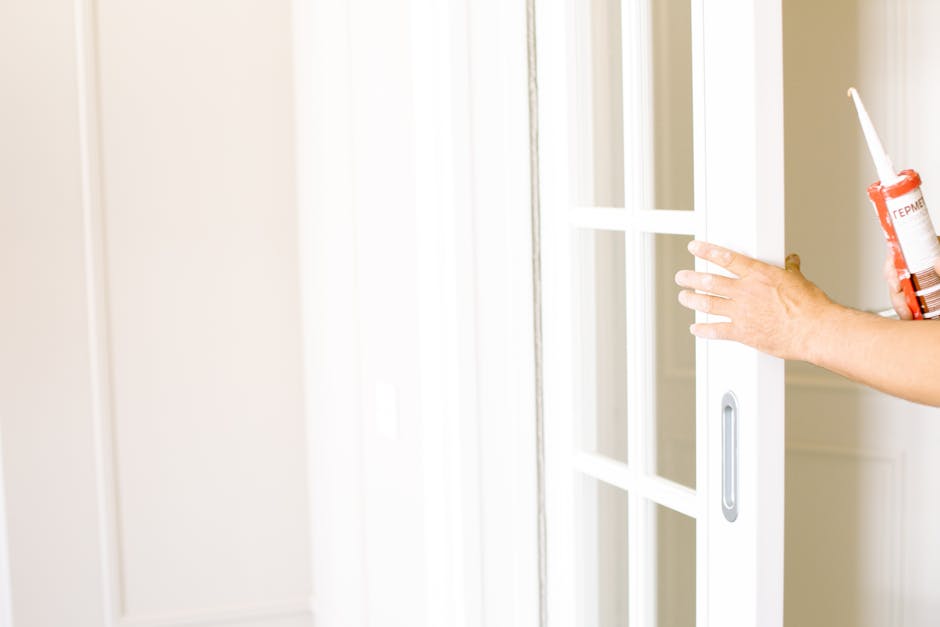
The most effective way to start is by installing weatherstripping around your doors and windows. This is a peel-and-stick foam or rubber tape that fills the gaps where the door meets the frame. For the bottom of the door, draft stoppers are a renter’s best friend. These long, fabric tubes (sometimes called “door snakes”) sit at the base of your entry door to block that icy hallway breeze.
If you have older windows, we highly recommend using window insulation film. This is a clear plastic sheet that you “shrink-wrap” over the window frame using a hair dryer. It creates an airtight seal that acts as an extra pane of glass. For those with specific window types, you can check out these easy ways to fix drafty UPVC windows to stop the chill in its tracks.
Don’t forget the power of textiles! Heavy rugs on hard floors act as insulation for your feet and help retain room heat. You can find more comprehensive advice in our Catch the Heat: Insulation Tips for Winter guide.
How to lower electric bill in winter in apartment windows
Your windows are essentially giant “heat holes” if not managed correctly. During the day, you want to maximize “solar gain.” This is a fancy way of saying “let the sun do the work.” Open your blinds and curtains on south-facing windows to let the sunlight naturally warm your living space.
As soon as the sun goes down, close them tightly. Using insulated window treatments like thermal curtains or honeycomb shades can reduce heat loss by up to 25%. These curtains have a special backing that keeps the warmth inside and the cold glass from chilling the air. For a deeper dive into the science of keeping the heat in, take a look at The Ultimate Guide to Insulating Your Home.
Optimize Your Heating System and Thermostat Settings
The Department of Energy suggests that setting your thermostat to 68°F while you are awake is the “sweet spot” for balancing comfort and cost. For every degree you lower the heat below 70°F, you could save as much as 3% to 5% on your heating costs.
If your landlord allows it, installing a smart thermostat is a game-changer. These devices can deliver roughly 8% savings on heating and cooling—about $50 a year for the average home. They learn your schedule and automatically lower the temperature when you’re at work or sleeping. If you can’t install a smart one, a basic programmable model still works wonders. You can save as much as 10% a year by simply turning your thermostat down 7°-10°F for 8 hours a day (like when you’re at the office).
Check out our Smart Thermostat Reviews for Energy Saving to see which models are best for apartment dwellers, or read our Definitive Guide to Home Energy Efficiency for more tips.
| Thermostat Setting | Potential Savings |
|---|---|
| Manual (Keep at 72°F) | 0% (Baseline) |
| Manual (Lower to 68°F) | 10-12% Savings |
| Programmable (Auto-drop 8 hours/day) | 10% Savings |
| ENERGY STAR Smart Thermostat | ~8% Additional Efficiency |
Maintenance tips for how to lower electric bill in winter in apartment units
Your heating system has to work much harder if it’s dirty. Air-flow problems, such as dirty blower components or clogged filters, can cut HVAC efficiency by up to 15%. As a renter, you shouldn’t be doing major repairs, but you should definitely be the “squeaky wheel” for maintenance.
Request that your landlord or property manager replaces the furnace filters every 3 months. A clean filter ensures the air flows freely, meaning the heater runs for shorter periods. Also, walk around your apartment and make sure no furniture or long curtains are blocking the vents or radiators. Blocking a vent is like throwing money away; the heat gets trapped behind your sofa instead of warming the room.
If you notice air whistling through the walls, you might need to seal air leaks around electrical outlets or baseboards. Even small steps like these contribute to insulating your home for energy efficiency.
Master Energy-Efficient Appliance and Lighting Habits
Lighting might seem like a small part of how to lower electric bill in winter in apartment units, but in the dark winter months, those lights stay on much longer.
Switching to LED light bulbs is one of the easiest “no-brainer” moves you can make. Residential LEDs use at least 75% less energy and last up to 25 times longer than old-school incandescent bulbs. If you’re a fan of holiday decorations, use timers for your lights. A house lit up like a Christmas tree 24/7 will definitely cause a spike in your January bill.
For more broad strategies on reducing your footprint, check out our Guide for AdSense Users and explore Renewable Energy Solutions for Apartments to see if your utility provider offers a “green” billing option.
Laundry and kitchen hacks for how to lower electric bill in winter in apartment living
Your appliances are secret energy hogs. When it comes to laundry, the golden rule is: Cold water only. About 90% of the energy used by a washing machine goes toward heating the water. By switching to cold, you save significantly. Also, always wait for a full load. ENERGY STAR certified washers use 20% less energy, but even an old machine is more efficient when it’s not running half-empty.
In the kitchen, try to use your microwave or toaster oven for smaller meals instead of the full-sized oven. If you do use the oven, leave the door open for a few minutes after you’ve turned it off (and finished cooking) to let that residual heat warm your kitchen.
For more appliance-specific tips, visit our second Guide for AdSense Users. And if you have a sunny balcony, you might even consider Portable Solar Panels for Apartment Balconies to charge your smaller gadgets for free!
Reduce Water Heating and Phantom Power Costs
Water heating is typically the second largest energy expense in a home. Most apartment water heaters are set to 140°F by default, but you likely don’t need it that hot. Lowering the water-heater thermostat to 120°F can slash your water-heating energy use by 4% to 22% annually. It also prevents accidental scalding!
If your water heater is accessible, check if the pipes are insulated. Adding foam pipe sleeves can raise the water temperature by 2-4°F, meaning you don’t have to wait as long for hot water to reach the tap.
Then there’s “Phantom Power” — the energy your electronics suck up even when they are “off.” Things like your TV, gaming console, and coffee maker are always in standby mode. Using smart power strips can solve this. These strips detect when a device is in standby and cut the power completely.
Learn more about managing these hidden costs in our third Guide for AdSense Users and our Renewable Energy Solutions 2 article.
Frequently Asked Questions about Apartment Winter Bills
Why is my electric bill so high in the winter in my apartment?
The primary reason is increased heating demand. If your apartment has an electric furnace or baseboard heaters, these are significantly more expensive to run than gas heat. Additionally, poor insulation and gaps in window seals allow heat to escape, forcing your heater to run longer.
Are space heaters cheaper than central heat for apartments?
It depends. Space heaters are great for “zone heating”—warming just the room you are in while keeping the rest of the apartment cool. However, they are very energy-intensive. If you use a space heater to try and warm a whole apartment, it will almost always cost more than your central system. If you’re looking for energy efficient water heaters or heating solutions, always look for the ENERGY STAR label.
How much can I save with renter-friendly insulation?
By combining weatherstripping, window film, and draft stoppers, you can realistically save about 15% on your total heating bill. Adding area rugs to cold floors and using thermal curtains adds to those savings. Even attic insulation tips can be adapted for top-floor apartments if you can convince your landlord to upgrade the building’s “hat.”
Conclusion
Learning how to lower electric bill in winter in apartment units doesn’t require a degree in engineering. It’s about a series of small, sustainable habits that add up to big cash savings. From sealing a drafty door to clicking your thermostat down a few degrees, every action counts.
At Financefyx, we want to help you keep more of your hard-earned money in your pocket while staying cozy all winter long. By implementing even three or four of these tips, you’ll see a noticeable difference in your next utility statement. Start saving today by auditing your apartment for leaks and making the switch to LEDs!
