
Simple Fixes for Leaky and Rattling Windows
Why Rattling Windows Are Costing You More Than Just Sleep
To fix rattling window drafts quickly, here are the most effective solutions:
- Apply V-seal weatherstripping along the window sash channels
- Re-caulk or re-glaze cracked putty around the glass pane
- Tighten loose hardware like hinges, locks, and mortise plates
- Press rope caulk into gaps for a fast seasonal fix
- Use shrink film insulation over the entire window frame for winter
That rattling sound when the wind picks up? It is not just annoying. It usually means cold air is getting in — and your warm air is leaking out.
Drafty, rattling windows are one of the biggest reasons heating bills spike in winter. Small gaps around a loose sash or cracked glazing putty might seem minor, but they add up fast on your energy bill.
The good news: most window rattles and drafts can be fixed yourself with basic tools and materials that cost very little.
This guide walks you through exactly how to find the problem, fix it, and keep it from coming back.
Identifying Why Your Windows Rattle and Leak
Before we grab the caulk gun, we need to play detective. A window doesn’t just rattle for no reason; it’s usually a sign that something has shrunk, shifted, or decayed. In our experience, most issues stem from four main areas: the glass, the sash, the hardware, or the wood itself.
Loose Glass Panes
If you tap the glass and it vibrates against the frame, your glazing compound (the putty holding the glass in place) has likely become brittle and fallen away. This is incredibly common in older wood windows. When the putty fails, it leaves a gap that allows the glass to shake whenever the wind blows or a heavy truck passes by.
Sash Gaps
The “sash” is the movable part of the window that holds the glass. Over time, wood sashes can shrink, or the tracks they slide in can wear down. This creates a gap between the sash and the window frame (the jamb). If the sash doesn’t fit snugly, it has room to dance in the wind, leading to that rhythmic rattling sound.
Hardware Failure
Sometimes the fix is as simple as a screwdriver. Windows are held tight by locks, hinges, and mortise plates. If these screws loosen, the window won’t seal properly against the weatherstripping. We often find that a loose mortise plate—the metal piece the window lock latches into—is the primary culprit for a window that won’t stay still.
Wood Rot and Structural Damage
If you see crumbling wood or dark stains, you might be dealing with rot. When the window frame rots, it loses its structural integrity, causing the entire unit to sit loosely in the wall. This not only causes rattles but can lead to significant water damage inside your walls.
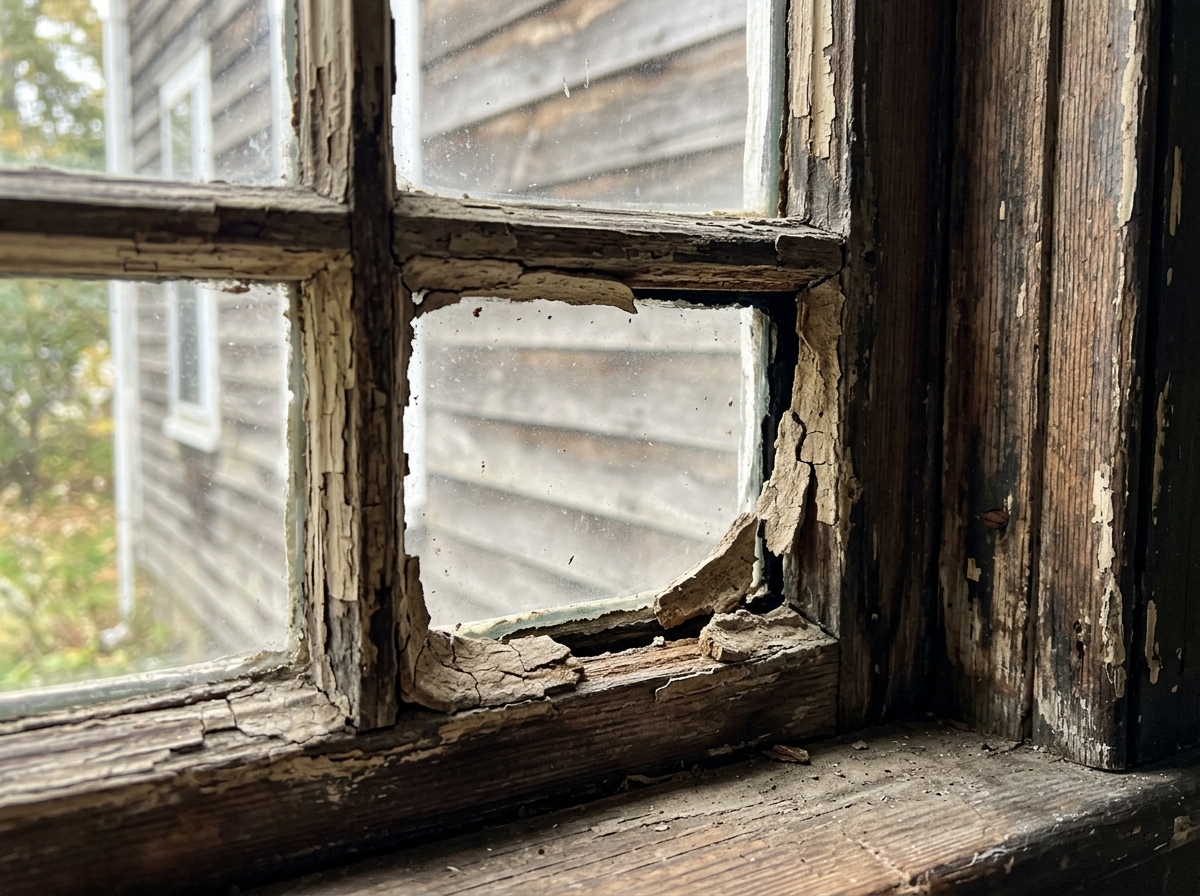
To help you narrow it down, use this table to compare your symptoms:
| Symptom | Likely Cause | Primary Fix |
|---|---|---|
| Glass vibrates when tapped | Loose or missing glazing putty | Re-glazing or caulking |
| Entire window moves in the frame | Sash gaps or worn weatherstripping | New weatherstripping |
| Window rattles even when locked | Loose hardware or mortise plate | Tighten or move hardware |
| Visible gaps and whistling air | Advanced seal failure | How to Seal Air Leaks to Save Energy |
For a deeper dive into the mechanical side of things, How to Fix Rattling Windows provides excellent context on how these components interact.
Step-by-Step Guide to Fix Rattling Window Drafts
Once you’ve identified the source, it’s time to get to work. Most of these repairs are “low-skill, high-reward,” meaning you don’t need to be a master carpenter to see a massive improvement in your home’s comfort.
Preparation is Key
Before applying any sealants, we must ensure the surface is clean. Use a vacuum to suck up loose debris and a damp cloth with a bit of rubbing alcohol to remove oils. If you try to stick weatherstripping to a dusty frame, it will peel off before the first snow falls.
Sealing the Gaps
The goal is to eliminate the “play” in the window. By filling the gaps where air and movement occur, you’re not just stopping the noise; you’re insulating your home for energy efficiency.
How to Apply Weatherstripping to Fix Rattling Window Drafts
Weatherstripping is arguably the most cost-effective way to fix rattling window drafts. It acts as a gasket, creating a tight seal when the window is closed.
Tools You’ll Need:
- Tape measure
- Scissors or a utility knife
- Putty knife (to remove old stripping)
- Adhesive-backed foam tape or V-seal stripping
The Process:
- Measure Twice: Measure the perimeter of the window sash and the tracks.
- Choose Your Type: Use Foam Tape for the bottom of the sash where it meets the sill. Use V-seal (tension seal) for the side tracks. V-seal is shaped like a “V” and compresses when the window closes, filling the gap perfectly.
- Apply: Peel the backing and press the stripping firmly into place. For V-seals, ensure the open end of the “V” faces the exterior to catch and block incoming drafts.
- Test: Close and lock the window. It should feel slightly “tighter” to move, which is a sign that the gap is gone.
Using Caulk and Putty to Fix Rattling Window Drafts
If the rattle is coming from the glass itself, you need to address the seal between the pane and the wood.
For Loose Glass: If the old putty is cracked, use a putty knife to gently scrape away the loose bits. Be careful not to break the glass! Apply a fresh bead of glazing compound or a high-quality silicone caulk along the edge. Smooth it out with a wet finger or a smoothing tool for a professional look. This creates a cushion that prevents the glass from vibrating against the frame.
For Frame Gaps: Check the exterior of your window frame. If you see gaps between the window trim and your house siding, use an acrylic latex caulk (which is paintable) to seal those openings. This prevents air from getting behind the window unit itself. For more on choosing the right materials, check out How to Seal Drafty Windows.
While you’re sealing the windows, you can also save energy with insulated window treatments like cellular shades or heavy drapes to add another layer of protection.
Temporary Solutions for Seasonal Drafts and Noise
Sometimes, you just need a “right now” fix to get through a brutal cold snap. If you aren’t ready for a permanent repair, these temporary measures are lifesavers.
Window Insulation Film
This is a clear plastic sheet that you apply to the window frame with double-sided tape. Once it’s in place, you use a hairdryer to “shrink” the film, which pulls it drum-tight. It creates an airtight buffer of dead space between the window and the room. It’s remarkably effective at stopping both drafts and the sound of rattling glass.
Rope Caulk
Think of this like “silly putty” for adults. It comes in a roll of grey or white strips. You simply pull off a piece and press it into the gaps around the window sash. It stays soft and doesn’t harden, so you can easily peel it off in the spring when you want to open your windows again.
Draft Snakes and Nail Polish
- Draft Snakes: These are long, fabric tubes filled with sand or dried beans. Placing one along the windowsill is a classic way to block air from leaking under the bottom sash.
- Nail Polish: If you have a tiny crack in the glass that is causing a whistle, a few coats of clear nail polish can temporarily seal the crack and stop the vibration until the pane can be replaced.
For more creative ideas, see The Ultimate Guide to Insulating Your Home.
When to Choose Professional Repair vs. Replacement
We love a good DIY project, but sometimes a window is simply past its expiration date. Windows typically last between 15 and 50 years, depending on the material.
Signs You Should Call a Pro:
- Significant Wood Rot: If more than 10% of the frame is soft or crumbling, a simple filler won’t fix the structural issue.
- Foggy Double Panes: If you see moisture trapped between the layers of glass, the “IGU” (Insulated Glass Unit) seal has failed. This cannot be fixed with caulk; the glass or the entire window must be replaced.
- Difficult Operation: If the window is warped to the point that it won’t open or close without a struggle, it’s a safety hazard.
While repairs average around $400, a full window replacement can cost about $600 per window. However, the long-term savings in energy bills and the increase in home value often make replacement the smarter financial move if your windows are decades old. If you’re planning a larger project, consider how this fits into remodeling your home for energy efficiency or other eco-friendly home renovations to save energy.
Frequently Asked Questions about Window Rattles
Is it normal for windows to rattle in high winds?
While a very slight vibration might occur in extreme storms, audible rattling is not normal. It is a clear indicator of a gap or loose component. Over time, wind pressure can worsen these gaps, leading to seal degradation and increased air infiltration. If you can hear it, you are likely losing money on your energy bill.
How much does it cost to repair vs. replace a window?
Window repair typically costs between $175 and $620, with an average of about $400. Professional window pros usually charge between $30 and $50 an hour for labor. On the other hand, replacement costs range between $180 and $410 per window for the unit, with professional installation adding $100 to $300 per window.
Factors affecting pricing include:
- Window material (Vinyl is cheapest; wood and composite are more expensive)
- Type of glass (Low-E coatings or triple-pane glass add cost)
- Accessibility (Second-story windows cost more to service)
- Extent of damage (Simple re-glazing vs. frame repair)
How long do residential windows typically last?
- Vinyl: 20–40 years. They are durable but can become brittle in extreme climates.
- Wood: 15–30 years (if maintained). Wood is beautiful but prone to rot if not painted and sealed regularly.
- Aluminum: 15–25 years. These are sturdy but poor insulators.
- Fibrex/Composite: 35–50 years. These offer the best of both worlds—durability and high insulation.
Conclusion
At Financefyx, we believe that a comfortable home shouldn’t break the bank. Learning how to fix rattling window drafts is one of the most practical skills a homeowner can have. By spending an afternoon and less than $50 on weatherstripping and caulk, you can significantly reduce your heating and cooling costs while finally getting some peace and quiet.
Don’t let your hard-earned money whistle through the cracks. Start with the easy fixes—tighten that hardware and apply some foam tape. If the problems persist, it might be time to look at long-term upgrades. For more tips on keeping your sanctuary cozy, don’t miss The Ultimate Guide to Insulating Your Home.
