
The Ultimate Guide to Home Insulation Priorities
Why Most Homes Are Losing Money Through Poor Insulation
The best home insulation tips can save you up to 15% on your heating and cooling bills — and the fixes are often simpler than you think.
Here are the top priorities at a glance:
- Attic — Biggest source of heat loss; target R-38 to R-60 depending on your climate
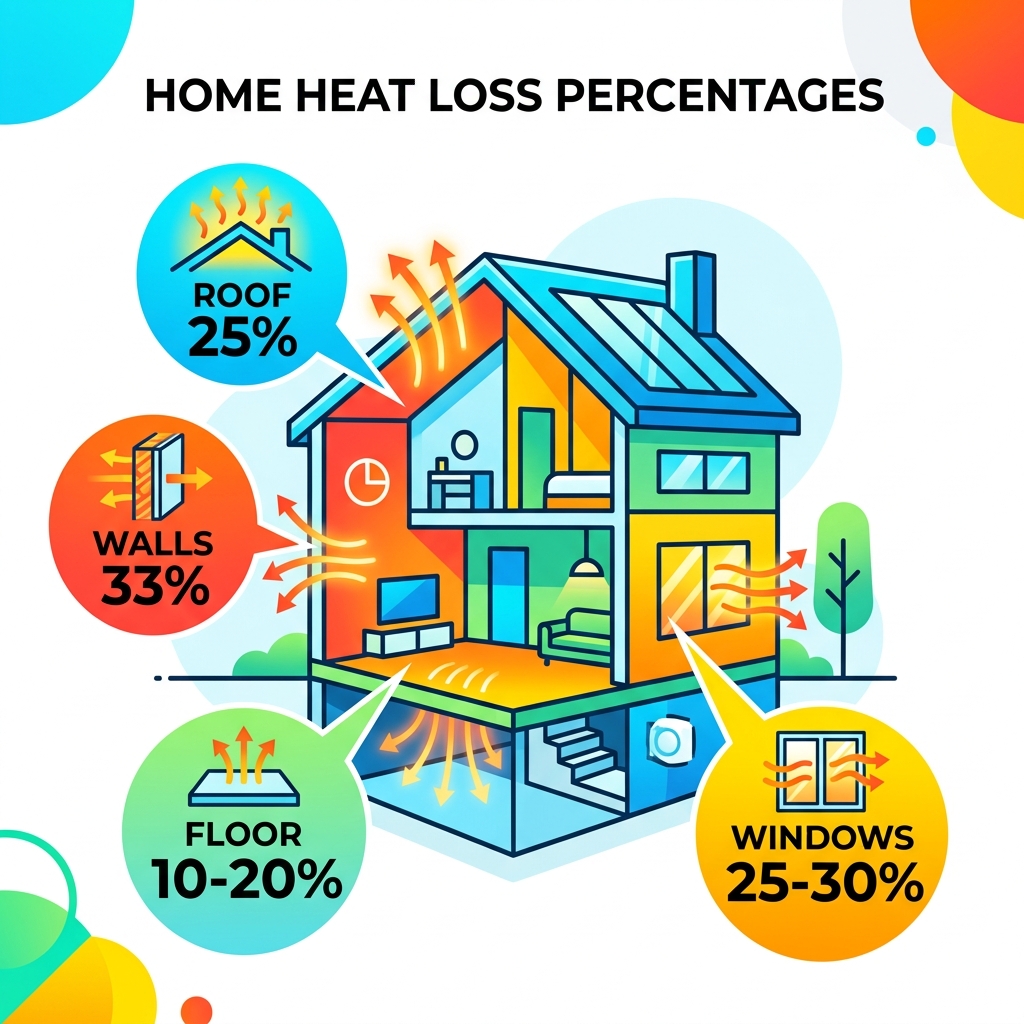
- Exterior walls — Responsible for roughly 33% of heat loss in an uninsulated home
- Basement and crawl spaces — Often overlooked but account for up to 25% of heat loss
- Windows and doors — Responsible for 25–30% of heat loss; seal with caulk and weatherstripping
- Rim joists and band joists — Small area, big impact; seal with spray foam
- Air leaks — Seal before adding insulation for maximum effect
A staggering 9 out of 10 U.S. homes are underinsulated. That means most homeowners are paying more than they need to on energy bills — every single month.
Heat doesn’t stay put. In winter, it naturally moves toward cooler areas, escaping through your roof, walls, and floor. In summer, the process reverses. Without a proper thermal barrier, your heating and cooling system works overtime just to keep up.
The good news? Even small improvements make a real difference. Sealing air leaks and adding insulation in the right places can cut your total energy costs by an average of 11% — and potentially up to 15% when you target problem areas like attics and basements.
This guide walks you through exactly where to focus, what materials to use, and which projects you can tackle yourself.
Top Priority Areas and Special Considerations
When we talk about the best home insulation tips, we have to start with the “where.” You wouldn’t try to fill a bucket with a hole in the bottom without plugging the hole first, right? Your home is the same way. According to the Department of Energy, a home should be insulated from the roof down to its foundation for maximum efficiency.
The Attic: Your First Line of Defense
The attic is arguably the most critical area. Because heat rises, an uninsulated roof is like leaving the front door wide open in the middle of January. A typical home loses about 25% of its heat through the roof. If you can see your floor joists in the attic, you almost certainly need more insulation. We recommend checking out our specific attic insulation tips to save energy and money for a deeper dive into this area.
Exterior Walls and Rim Joists
Walls account for a massive 33% of heat loss. In existing homes, adding insulation to walls can be tricky but highly rewarding. One often-overlooked spot is the “rim joist”—the area where the wooden frame of your house meets the concrete foundation. Sealing this small perimeter with spray foam or masonry caulk can stop significant drafts.
Basements and Crawl Spaces
Basements can account for about 25% of a dwelling’s heat loss. Many homeowners make the mistake of insulating the basement ceiling, but it is often better to insulate the walls. This keeps the space conditioned and prevents pipes from freezing.
However, we must consider safety. If you live in an area where radon is a concern, you must use radon-resistant construction techniques when insulating foundations. Additionally, in the southern U.S., be mindful of termites. These pests can tunnel through foam insulation undetected, so some building codes actually prohibit foam-to-ground contact.
Cathedral Ceilings
These beautiful high ceilings are notorious for being difficult to insulate. They require a specific gap between the roof deck and the ceiling for ventilation. If you’re remodeling, using high-density R-30 batts or a “hot roof” design (which is totally air-sealed) can help maintain comfort without sacrificing the aesthetic.
| Home Area | Percentage of Heat Loss | Priority Level |
|---|---|---|
| Attic/Roof | 25% | Very High |
| Exterior Walls | 33% | High |
| Windows/Doors | 25-30% | High |
| Basement/Floors | 10-20% | Medium |
Insulating Unfinished vs. Finished Attics
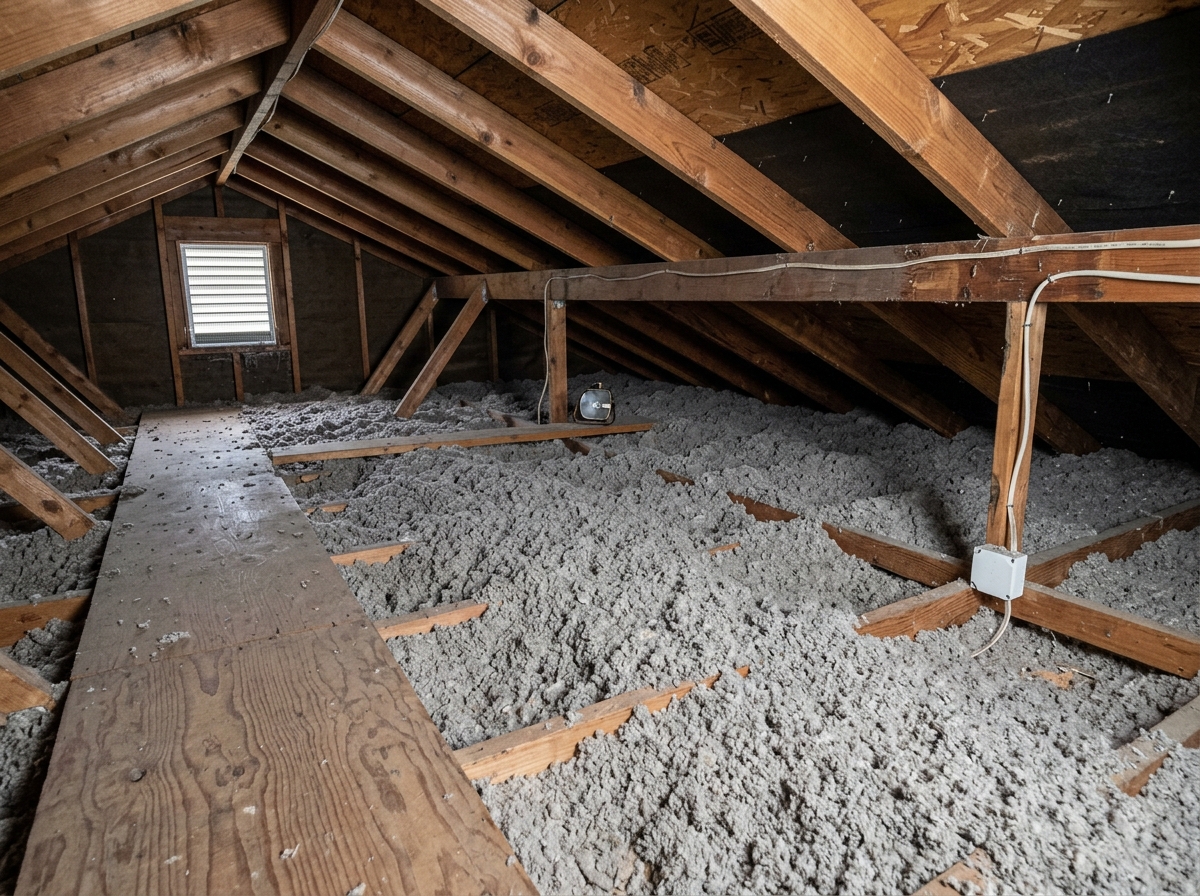
How we approach the attic depends on how you use it.
- Unfinished Attics: We focus on the floor. Insulate between and over the floor joists. Don’t forget the attic hatch! An uninsulated attic door is like a giant hole in your thermal blanket.
- Finished Attics: Here, we insulate the “knee walls” (the short vertical walls) and the sloped ceiling.
- Radiant Barriers: If you live in a very hot climate, a radiant barrier installed on the rafters can reflect heat away, keeping your AC from working double shifts.
Foundation and Slab-on-Grade Challenges
For homes built on a concrete slab, the edges are the weak point. Insulating the exterior edge of a slab can reduce heating bills by 10% to 20% in most parts of the U.S. If your floors feel like ice, you might need to consult a local insulation professional to discuss digging around the perimeter to install foam board. This adds thermal mass to your home, helping to moderate indoor temperatures year-round.
Best Home Insulation Tips for Choosing Materials and R-Values
To get the most out of your project, you need to understand two things: R-value and your climate zone. The R-value measures a material’s resistance to heat flow. The higher the number, the better the material is at keeping heat where it belongs.
Understanding Climate Zones
The amount of insulation you need depends on where you live. The Department of Energy provides a map organized into climate zones to help you find the right target. For example, an attic in Miami might only need R-30, whereas a home in Minneapolis should aim for R-60.
Common Insulation Materials
Choosing the right material is one of our best home insulation tips for long-term satisfaction.
- Fiberglass Batts: The most common and cost-effective. They come in rolls and are great for DIYers.
- Blown-in Cellulose: Made from recycled paper, this is excellent for filling irregular spaces and existing wall cavities.
- Rigid Foam Board: Offers high R-value per inch and is moisture-resistant, making it perfect for basements.
- Spray Foam: The “gold standard” for air sealing and insulation in one step, though it usually requires a pro.
For more on choosing the right fit, see our guide on insulating your home for energy efficiency.
Selecting the Best Home Insulation Tips for Your Material Choice
When diving deeper into materials, consider these specialized options:
- Mineral Wool: Naturally fire-resistant and amazing for soundproofing between rooms.
- Polyisocyanurate (Polyiso): A type of rigid foam with a very high R-value, often used in roofing.
- Open-cell vs. Closed-cell Spray Foam: Open-cell is cheaper and good for sound, while closed-cell is denser, provides a vapor barrier, and adds structural strength.
Calculating R-Values for the Best Home Insulation Tips
You can actually determine the R-values of your current insulation by measuring its thickness.
- Fiberglass Batts: Roughly R-3.2 per inch.
- Blown Cellulose: Roughly R-3.7 per inch.
- Spray Foam: Up to R-6 or R-7 per inch.
If you have 6 inches of old fiberglass in your attic, you have an R-value of about 19. To reach a target of R-49, you’d need to add another 10 inches of fiberglass or about 8 inches of cellulose.
Essential Steps: Air Sealing, Inspection, and DIY vs. Pro
Before you spend a dime on new insulation, you must address air leaks. Insulation is like a wool sweater; it keeps you warm, but if the wind blows right through the knit, you’ll still be cold. You need a “windbreaker” layer, which is air sealing.
The Power of Air Sealing
According to ENERGY STAR, sealing leaks around windows, doors, and attic bypasses can save up to 10% on your annual bills. Common culprits include:
- Plumbing stacks and electrical wires.
- Recessed “can” lights.
- The gap under the baseboards.
The Home Energy Audit
We highly recommend a professional energy audit. A pro will use a blower door test to depressurize your house and find exactly where the air is escaping. It takes the guesswork out of the process. Plus, there are often tax credits available—up to $150—to help cover the cost of the audit itself. You can find more energy-saving methods for home insulation on our site to prepare for your audit.
Quick DIY Best Home Insulation Tips for Beginners
You don’t need a contractor for everything. Here are some easy ways to better insulate your home this weekend:
- Outlet Gaskets: Install small foam pads behind your electrical outlet covers on exterior walls.
- Door Sweeps: Stop the draft under your front door for under $20.
- Window Kits: Use plastic film on drafty windows during the winter—it can reduce heat loss through glass by up to 30%.
- Pipe Wrap: Insulating your hot water pipes can reduce “standby” heat loss and even allow you to turn your water heater down a few degrees.
When to Hire a Professional Contractor
While we love a good DIY project, some things are best left to the experts. You should call a pro if:
- You find Knob-and-Tube wiring. Covering this old wiring with insulation is a major fire hazard.
- You suspect asbestos (common in old vermiculite insulation).
- You want to use dense-pack cellulose or spray foam in closed walls.
- You have significant moisture or mold issues in your crawl space.
You can find vetted experts through the Residential Energy Services Network directory.
Frequently Asked Questions about Home Insulation
How much can I save on my energy bills with proper insulation?
The U.S. Environmental Protection Agency estimates that the average homeowner can save up to 15% on heating and cooling costs by air sealing and insulating. In a typical home, that’s about $200 a year. If your home is older and completely uninsulated, those savings could be even higher.
How do I know if my home is underinsulated?
Since 90% of U.S. homes are underinsulated, the odds are in favor of “yes.” Look for these signs:
- Ice Dams: If you see large icicles hanging from your gutters, it means heat is escaping your attic and melting the snow on your roof.
- Drafty Rooms: If one room is significantly colder than the rest.
- High Bills: If your energy costs spike significantly more than your neighbors’ during peak months.
- The “Touch Test”: If your interior walls feel cold to the touch in winter, your wall insulation is likely failing.
Can I add new insulation over old insulation?
Yes! This is called “stacking.” As long as the old insulation isn’t wet, moldy, or matted down, you can lay new batts or blow cellulose right over it. Just a few warnings:
- Don’t compress it: Insulation works by trapping air. If you squash it down, you lose the R-value.
- Vapor Barriers: If you’re adding batts over old ones, make sure the new batts don’t have a paper “face” (vapor barrier) on them. Trapping moisture between two layers of paper is a recipe for mold.
Conclusion
Improving your home’s insulation is one of the smartest investments you can make. It’s not just about the money—though saving 15% on your bills is a nice perk. It’s about being able to sit in your living room without a parka on in January, and it’s about increasing the overall value of your home.
By prioritizing the attic, sealing air leaks first, and choosing the right materials for your climate, you’re taking a huge step toward a more sustainable and comfortable lifestyle. We at Financefyx are dedicated to helping you master these home improvements. Learn more about energy-saving strategies and start your journey toward a cozier, more efficient home today!
