
How to Turn Your Roof into an Energy Saving Machine with Solar Insulation
Why the Best Solar Panel Insulation Matters for Your Home
The best solar panel insulation isn’t a single product — it’s a combination of the right roof insulation materials and high-efficiency solar panels working together to cut your energy bills year-round.
Here’s a quick look at the top options:
| Insulation Type | R-Value per Inch | Best For |
|---|---|---|
| Polyisocyanurate (Polyiso) | 6.5–7.0 | Maximum thermal resistance, solar mounts |
| Closed-Cell Spray Foam | 6.0–7.0 | Seamless coverage, moisture protection |
| Fiberglass Batts | 3.0–4.3 | Budget-friendly, DIY-friendly |
| Cellulose | 3.1–3.7 | Eco-conscious homeowners |
| Radiant Barrier | Reflects 97% radiant heat | Hot climates, summer heat reduction |
If you’re dealing with sky-high heating bills and cold drafts creeping in every winter, the problem often starts at the roof. Poor insulation lets heat escape — and that means your furnace works harder while your solar panels work less efficiently.
Here’s something most homeowners don’t realize: solar panels can lose up to 25% of their efficiency when they overheat. The right roof insulation keeps temperatures stable, which means your panels produce more power and last longer.
Meanwhile, Connecticut homeowners already pay some of the highest energy bills in the country — the second highest of all 50 states. Over 19,000 CT homes have already made the switch to solar, saving an average of $1,100 per year on utility bills. Pairing solar with proper insulation can push those savings even further.
In this guide, we break down the best insulation materials, top solar panel options, and everything you need to know to turn your roof into a true energy-saving machine.
Why Your Home Needs the Best Solar Panel Insulation
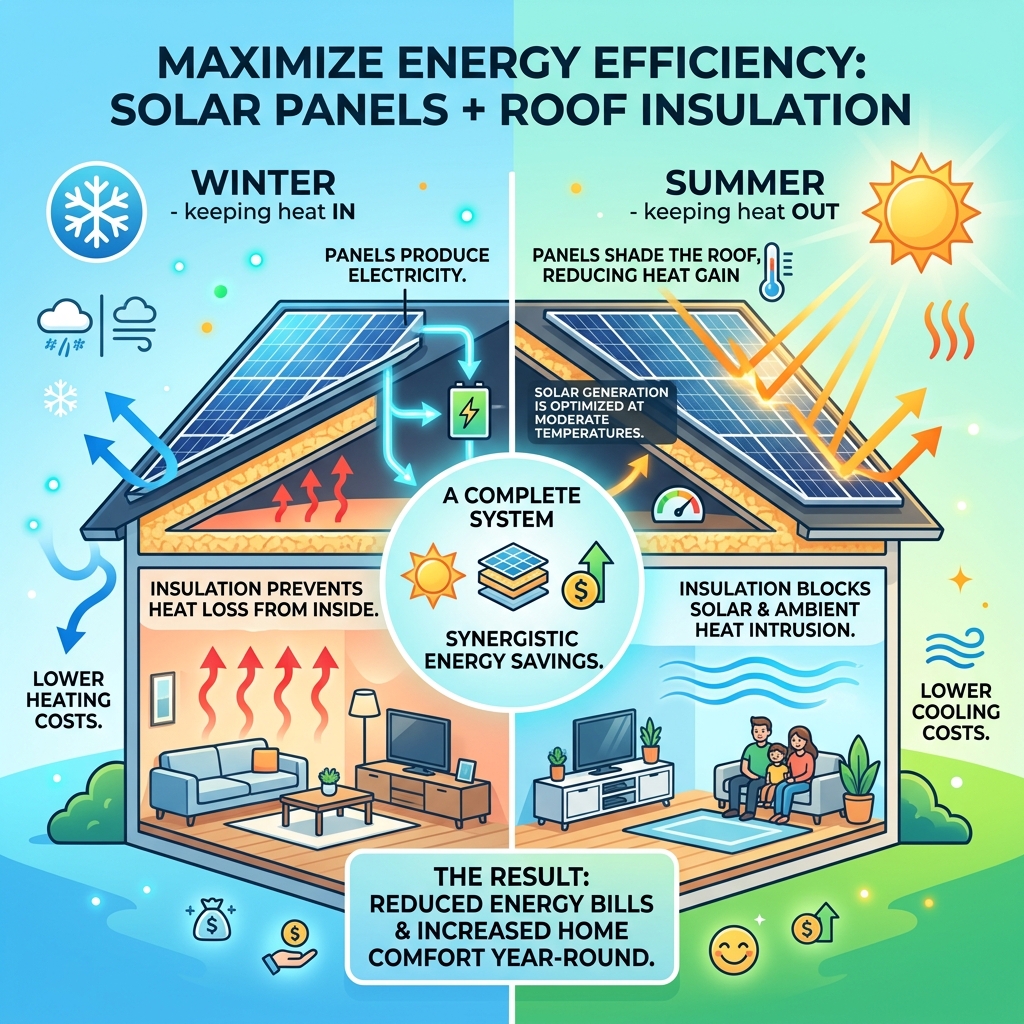
When we think about solar panels, we usually focus on the shiny blue or black rectangles on the roof. But what’s happening underneath those panels is just as important. A roof that isn’t properly insulated acts like a sieve, letting thermal energy leak out in the winter and soak in during the summer. This creates a “thermal stress” environment that isn’t just bad for your wallet—it’s bad for your hardware.
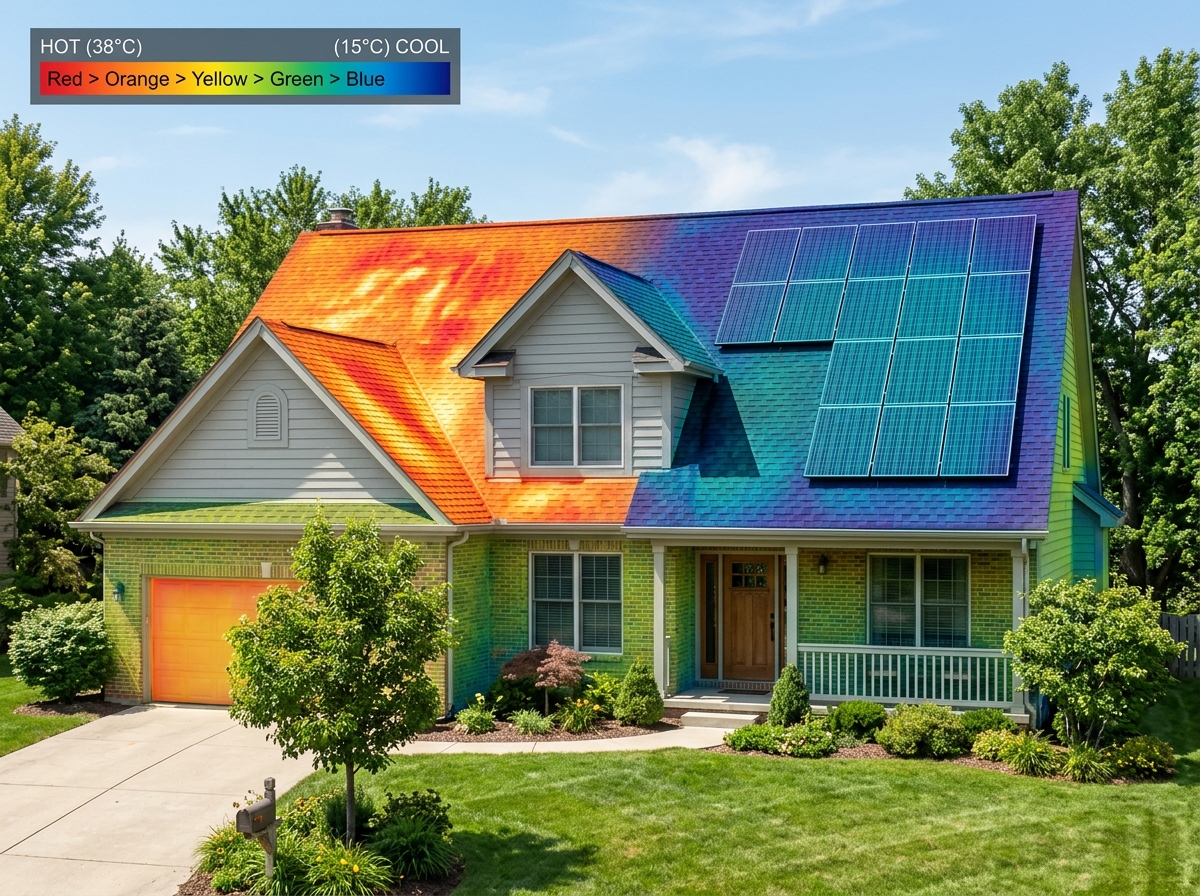
Solar panels are incredibly durable, but they aren’t invincible. Research into the Mechanical Stress Sequence shows that environmental factors like extreme temperature swings can cause micro-cracks in solar cells. By installing the best solar panel insulation in your attic or roof deck, you create a stable thermal envelope. This regulation prevents the roof surface from becoming a giant radiator that cooks your panels from below.
Without this protection, you face a significant efficiency loss. For every degree a solar panel rises above its ideal temperature, its ability to generate electricity drops. In fact, a poorly ventilated or insulated roof can cause a 25% performance drop during peak summer hours. If you want to dive deeper into the technical side of the setup, check out our home-solar-panel-installation-guide for a step-by-step look at how to prep your home.
How the Best Solar Panel Insulation Prevents Efficiency Loss
Solar panels are a bit like us—they perform best when they aren’t too hot. Most panels are rated at a baseline of 77°F (25°C). Once the mercury climbs past that, the “temperature coefficient” kicks in. This is a fancy way of saying the panel’s power output starts to slide.
According to Scientific research on solar panel reliability and performance, maintaining proper heat dissipation is the secret to long-term ROI. The best solar panel insulation helps by ensuring the heat from your home doesn’t migrate upward to the roof deck. When combined with a 1-to-2-inch airflow gap between the panels and the roof, your system stays cool, calm, and productive.
Top 5 Solar Panel-Friendly Roof Insulation Materials
Choosing the right material is half the battle. We’ve looked at the data, and these five materials stand out as the most compatible with solar-ready homes.
- Polyisocyanurate (Polyiso): This is the heavyweight champion of the solar world. It offers a massive R-value of 6.5 to 7.0 per inch. Because it’s a rigid board, it provides a stable, compression-resistant surface that is perfect for supporting heavy solar mounting hardware.
- Spray Foam Insulation: If you want a seamless thermal barrier, this is it. Closed-cell spray foam expands to fill every nook and cranny, creating an airtight seal. It’s particularly good for protecting solar electrical components from moisture.
- Fiberglass Batts: The classic choice. If you are looking into diy-solar-panel-projects, fiberglass is easy to handle and budget-friendly. Just make sure you choose the right R-value for your climate zone (more on that in a bit!).
- Cellulose Insulation: Made from up to 85% recycled paper, this is the eco-friendly winner. It requires 20-30% less energy to produce than fiberglass and offers a dense-pack application that stops drafts in their tracks.
- Radiant Barriers: These are essentially high-tech aluminum foils that reflect up to 97% of radiant heat. In hot climates, these can boost solar output by 5-10% by keeping the roof deck significantly cooler.
Installation Tips for the Best Solar Panel Insulation
Getting the best solar panel insulation into your home requires more than just throwing some foam at the rafters. Here are our top pro tips:
- Stagger Your Joints: If you’re using Polyiso boards, always stagger the joints. This prevents “thermal bridging,” where heat finds a straight path through the gaps.
- Sealing is Key: Use compatible tape to seal every seam. An unsealed seam is an invitation for energy loss.
- Mind the Gap: For solar owners, we always recommend maintaining at least a 2-inch air gap between the roof surface and the panels. This allows for essential airflow that whisks heat away.
- Pre-Drill Your Hardware: If you are mounting panels over rigid insulation, pre-drill your holes. This prevents the insulation from cracking or compressing unevenly.
- Vapor Barriers: In colder climates, ensure your vapor barrier faces the living space. This keeps moisture from your home from condensing inside your insulation. For more basics, our solar-energy-guide-for-beginners covers why moisture management is vital for system longevity.
High-Efficiency Solar Panels That Act as Thermal Barriers
Not all solar panels are created equal. Some are designed specifically to handle the heat and act as a secondary layer of protection for your roof.
Monocrystalline panels are the gold standard for residential use. They are made from a single crystal of silicon, which allows electrons more room to move, resulting in higher efficiency. Brands like Maxeon lead the pack with a 22.8% efficiency rating and an industry-topping 40-year warranty. These panels are built to last; even after 25 years, they are guaranteed to operate at 93.8% of their original power.
If you live in a particularly hot area, the REC Alpha Pure-RX is another top contender. It has one of the best temperature coefficients in the industry (-0.24%/°C), meaning it loses less power as it gets hot. For those exploring off-grid-solar-panel-tips, choosing a panel that maintains its output in the sun is non-negotiable. Other reliable brands include Jinko Solar and Canadian Solar, which offer excellent value and high-durability ratings.
Choosing the Best Solar Panel Insulation for Your Climate
Where you live dictates what you need. Insulation needs are categorized by “Climate Zones.”
- Northern Regions (Zones 6-8): You need the big guns. We recommend an R-value between R-49 and R-60. In these areas, the goal is to keep your expensive furnace heat inside the house.
- Moderate Climates (Zones 4-5): An R-38 to R-49 rating is usually the sweet spot for balancing cost and comfort.
- Southern Regions (Zones 1-3): Here, the focus shifts to moisture resistance and UV stabilization. An R-30 to R-38 rating is often sufficient, especially when paired with a radiant barrier to reflect the sun’s rays.
If you’re pairing your system with a battery, check out our guide on home-battery-storage-for-solar. Batteries perform best in stable temperatures, so having a well-insulated garage or utility room is just as important as the roof!
Maximizing ROI: Costs, Incentives, and Savings in Connecticut
Let’s talk numbers. We know that for most of us, the decision to go solar is a financial one. In Connecticut, the average cost for a residential solar system ranges from $13,728 to $18,572. Most 6-kilowatt systems cost around $18,000, which breaks down to roughly $3 per watt.
While that sounds like a lot upfront, the state and federal governments want to help you pay for it. The Federal Investment Tax Credit (ITC) currently offers a 30% tax credit for solar installations through 2032. That can knock thousands off your tax bill.
On top of the federal credit, Connecticut offers the Residential Renewable Energy Solutions program. This allows you to earn credits for the excess energy your panels send back to the grid (net metering). Between the tax credits and the utility savings, most CT homeowners see their system pay for itself in about 8 years. Over 25 years, you could avoid nearly $50,000 in utility costs. For a deeper dive into the math, see our article on solar-panels-cost-and-savings.
Local CT Installers and Specialized Services
Connecticut has over 130 solar companies, so you have plenty of choices. When searching for the best solar panel insulation and installation, look for companies that hold NABCEP certification. This is the “gold standard” for solar professionals and ensures your installer knows exactly how to handle roof penetrations and insulation integrity.
Many local installers now offer specialized services like:
- Solar Shingles: These look like traditional asphalt shingles but generate power. They are a great choice if you need a new roof and want a sleek, integrated look.
- Tesla Powerwall Integration: For those who want to keep the lights on during a storm, many CT installers are certified to install backup batteries. We’ve ranked the best-home-batteries-for-energy-storage to help you decide which one fits your needs.
- No-Down-Payment Options: Solar leases and Power Purchase Agreements (PPAs) allow you to go solar with zero upfront costs, though you generally save more long-term if you buy the system outright.
Frequently Asked Questions about Solar Insulation
Is it worth it to go solar in Connecticut?
Absolutely. Connecticut has the second-highest energy rates in the U.S. With the cost of solar panels dropping 20% over the last decade and the 30% federal tax credit still in place, the “payback period” is shorter than ever. Most homeowners save an average of $1,100 a year right out of the gate.
How much can proper roof insulation improve solar panel efficiency?
Proper insulation can prevent up to a 25% drop in efficiency that occurs when panels overheat. By keeping the roof deck cool, you ensure your panels stay within their optimal operating temperature, maximizing every minute of sunlight.
What is the best insulation material for solar panel installations?
While it depends on your budget, Polyisocyanurate (Polyiso) is widely considered the best for solar. It has the highest R-value per inch and the structural strength to support solar racking without compressing or losing its insulating properties.
Conclusion
Turning your roof into an energy-saving machine isn’t just about sticking some panels up there and hoping for the best. It’s about creating a system where the best solar panel insulation and high-efficiency panels work in harmony. By investing in quality insulation like Polyiso or spray foam, you protect your home’s thermal envelope, extend the life of your solar hardware, and maximize your return on investment.
Whether you’re looking to achieve total energy independence or just want to stop cringing when the utility bill arrives, the combination of solar and insulation is the smartest move a homeowner can make in 2026. Ready to take the next step? Explore more info about renewable energy solutions to find the perfect fit for your home.
